Post by : Saif Nasser
Venezuela’s government bonds rose strongly on Monday after the United States captured President Nicolás Maduro and took him to the U.S. This sudden political move has changed how investors see Venezuela’s future, especially its long-troubled debt.
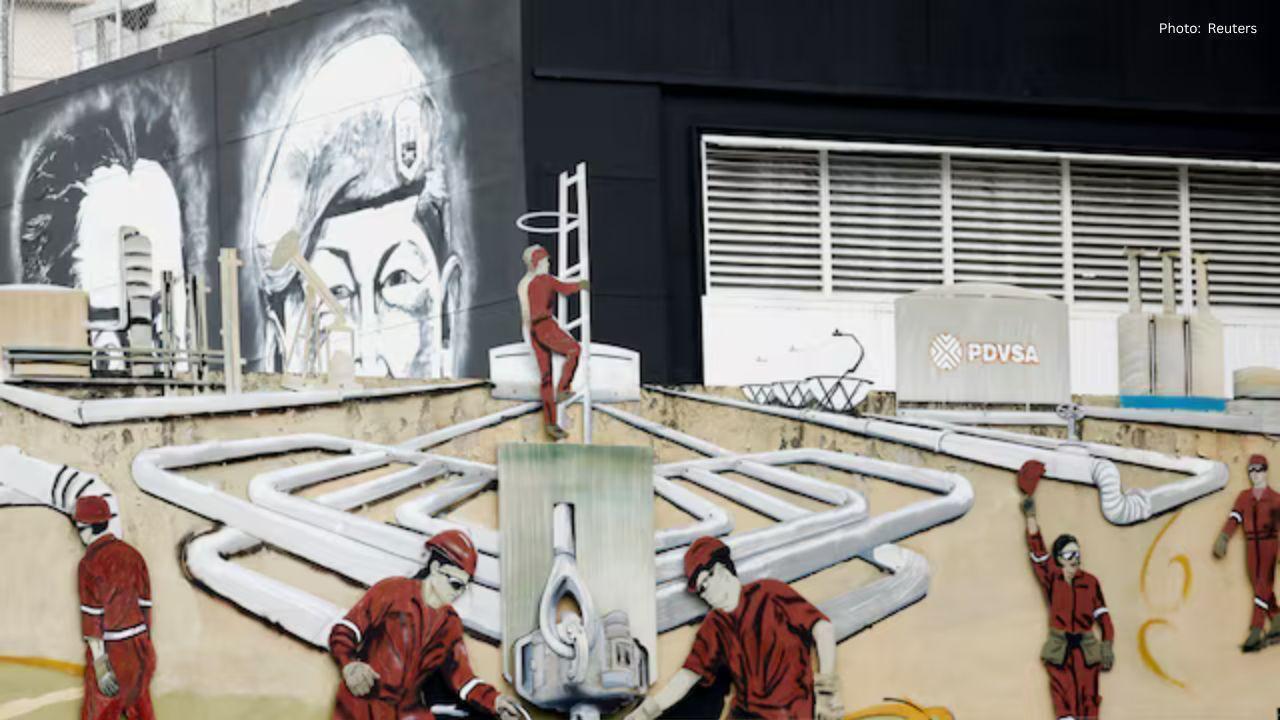
For years, Venezuela has been locked out of global markets after defaulting on its debt in 2017. The country and its state oil company, PDVSA, stopped paying investors as the economy collapsed under mismanagement, falling oil output, and heavy sanctions. Since then, Venezuelan bonds have traded at very low prices, reflecting deep doubts about repayment.
That mood shifted quickly after news broke that U.S. forces had detained Maduro during a military operation in Caracas. Investors began to expect major political change and, possibly, a new government that could reopen talks with creditors.
As a result, bonds issued by the Venezuelan government and PDVSA jumped by around 20% in early European trading. Some bonds gained as much as 8 cents on the dollar in just a few hours. Analysts said the rally could continue if there is a clear path toward a new leadership and economic reform.
Major banks noted that Venezuela’s bonds have already risen sharply over the past year. During 2025, they nearly doubled in value as pressure grew on Maduro’s government. Monday’s jump pushed some long-dated bonds close to 40 cents on the dollar, a level not seen in many years.
Investors are now focused on the idea of a massive debt restructuring. Venezuela and PDVSA together have defaulted on about $60 billion in bonds. When other unpaid obligations are included, such as loans and legal claims, total foreign debt is estimated between $150 billion and $170 billion.
Restructuring this debt will not be easy. It would likely involve long talks with many creditors, legal challenges, and hard choices about how much investors can recover. Still, the capture of Maduro has made many believe that negotiations, frozen for years, could finally begin.
Markets are also watching Venezuela’s oil sector closely. The country has the world’s largest proven oil reserves, but production has fallen badly. A political reset could lead to foreign investment, higher output, and more dollars to support debt payments.
For now, the bond rally shows how quickly markets react to political change. While many risks remain, investors are betting that Venezuela may be entering a new chapter after years of crisis and isolation.






The Impact of Consistent Small Investments on Wealth Building
Discover how investing small amounts regularly can positively transform your financial future over t

7.5 Magnitude Earthquake Strikes Japan, Tsunami Alerts Issued
Japan experiences a hefty 7.5 quake, prompting tsunami alerts and safety measures. Stay updated on a
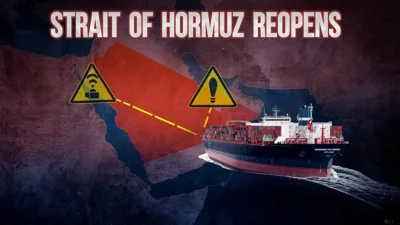
Reopening of the Strait of Hormuz: New Regulations to Impact Global Trade
Iran reopens the strategic Strait of Hormuz with new regulations affecting oil transport and global

Top 10 Must-See Attractions in NYC for First-Time Explorers
Discover essential experiences for first-time visitors to NYC, including attractions, culture, and i

Starbucks Engages Boyu Capital for Major Chinese Expansion
Starbucks teams up with Boyu Capital, selling a majority stake to boost growth and adapt to the Chin

Three Individuals Charged in Massive Meth Trafficking Case in Malaysia
In Malaysia, a married couple and another suspect are charged with trafficking 510kg of meth, facing