Post by : Saif Nasser
A U.S. military strike on a boat off the coast of Venezuela has killed six people who were suspected of being drug traffickers. President Donald Trump announced the operation on Tuesday, calling it a move against what he described as a “designated terrorist organization.”
The strike marks another instance of the Trump administration’s growing use of military force in the Caribbean region, where American troops, ships, and aircraft have recently been deployed in large numbers.
The Strike and Trump’s Statement
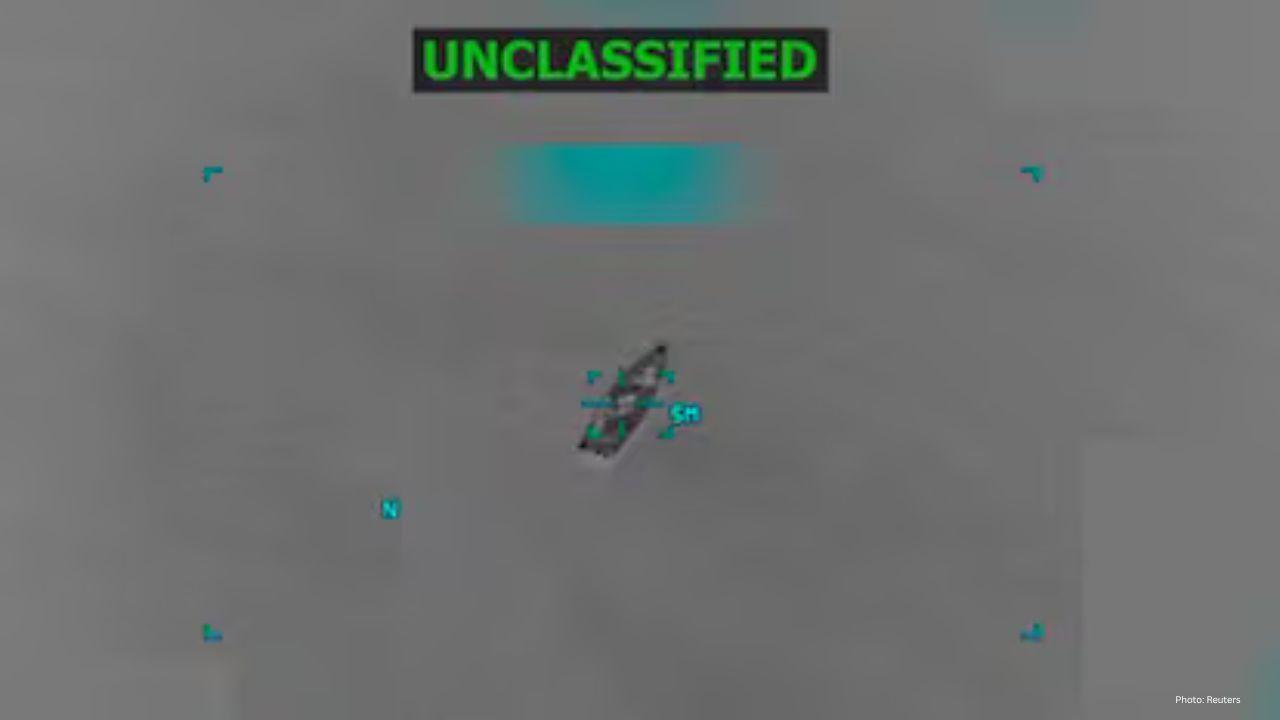
President Trump shared the news on his social media platform, Truth Social. He posted a short, 30-second video showing a small boat floating on calm waters before being hit by a missile and exploding. Trump said that U.S. intelligence agencies had confirmed the vessel was carrying illegal drugs and was linked to narcoterrorist networks.
However, he did not share any evidence to support his claims, nor did he identify which group the alleged traffickers were connected to. The U.S. government has not yet released further details about the operation, such as the names of those killed or what kind of drugs were supposedly being transported.
Legal Questions and Military Expansion
The strike has raised serious legal and ethical questions. Some former U.S. military lawyers have warned that the government’s justification for using deadly force at sea against suspected traffickers is not strong under international law.
Traditionally, drug trafficking is handled through law enforcement — by capturing suspects and putting them on trial. But under President Trump’s current policies, the U.S. military has started treating drug cartels like armed enemy groups.
The Pentagon recently informed Congress that Trump has decided the United States is now in a “non-international armed conflict” with drug cartels. This means U.S. forces can use military force against them even outside U.S. borders, similar to how it conducts operations against terrorist groups in the Middle East.
Growing U.S. Military Presence in the Caribbean
Over the past few months, the U.S. has been sending more troops, warships, and aircraft to the southern Caribbean. Reports say eight U.S. Navy warships, including one nuclear-powered submarine, are currently in the area, carrying thousands of sailors and marines.
F-35 fighter jets have also been stationed in Puerto Rico as part of the buildup. While Washington says these forces are meant to combat drug trafficking and secure international waters, critics believe the U.S. presence also sends a political message to the Venezuelan government led by President Nicolás Maduro.
Tensions with Venezuela
Relations between the United States and Venezuela remain deeply strained. President Maduro has long accused the U.S. of trying to remove him from power. In August, the Trump administration doubled its reward for information leading to Maduro’s arrest from $25 million to $50 million.
Washington accuses Maduro of being involved in international drug trafficking and organized crime. Maduro strongly denies the charges, calling them part of a U.S. campaign to weaken Venezuela’s government and economy.
So far, Venezuela’s government has not officially commented on the latest U.S. strike. However, past incidents have led to strong protests from Caracas, which views American military actions near its waters as violations of national sovereignty.
A Pattern of Risky Operations
This strike is not the first time U.S. forces have carried out lethal operations against alleged traffickers. In recent weeks, several similar incidents have taken place in the region, but the Trump administration has provided little public information about them.
Observers say these operations reflect Trump’s new approach to using the military for domestic and foreign goals — including law enforcement and counter-narcotics missions that were previously led by civilian agencies.
Earlier this year, Trump also deployed active-duty troops inside the U.S. to respond to urban unrest in Los Angeles. Critics say these actions blur the lines between military and civilian authority.
International and Legal Reactions
Human rights groups and international law experts have expressed concern over the strike. They warn that using missiles to destroy boats suspected of carrying drugs, without trial or clear evidence, could amount to extrajudicial killings.
“The United States cannot treat every suspected criminal group as a terrorist organization,” said a former Pentagon legal adviser, who asked not to be named. “There must be transparency, accountability, and respect for international law.”
At the same time, Trump’s supporters argue that strong military action is necessary to stop drug trafficking networks that endanger American lives. They claim the president’s strategy shows toughness and a commitment to national security.
The Bigger Picture
The operation highlights growing tensions between the United States and Latin American countries, especially Venezuela. It also shows how the Trump administration is expanding the definition of military targets — from terrorists to drug smugglers.
Many analysts believe this approach could lead to more conflict and increase instability in the region. As the U.S. continues to use its military power abroad, questions about legality, human rights, and political motives will likely remain central to global debate.



The Impact of Consistent Small Investments on Wealth Building
Discover how investing small amounts regularly can positively transform your financial future over t

7.5 Magnitude Earthquake Strikes Japan, Tsunami Alerts Issued
Japan experiences a hefty 7.5 quake, prompting tsunami alerts and safety measures. Stay updated on a
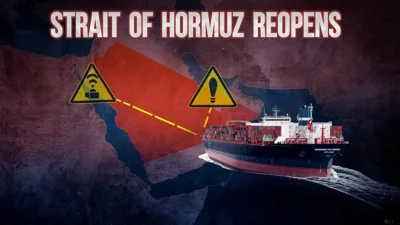
Reopening of the Strait of Hormuz: New Regulations to Impact Global Trade
Iran reopens the strategic Strait of Hormuz with new regulations affecting oil transport and global

Top 10 Must-See Attractions in NYC for First-Time Explorers
Discover essential experiences for first-time visitors to NYC, including attractions, culture, and i

Starbucks Engages Boyu Capital for Major Chinese Expansion
Starbucks teams up with Boyu Capital, selling a majority stake to boost growth and adapt to the Chin

Three Individuals Charged in Massive Meth Trafficking Case in Malaysia
In Malaysia, a married couple and another suspect are charged with trafficking 510kg of meth, facing