Post by : Saif Nasser
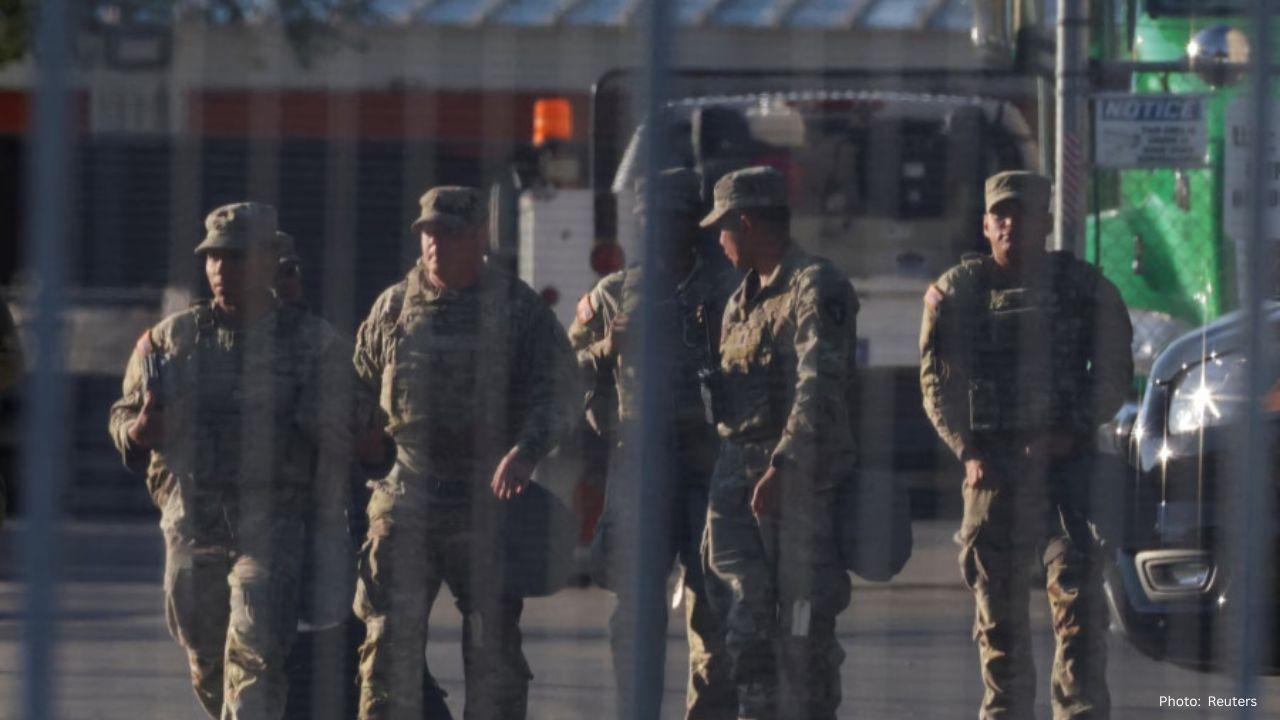
The United States Supreme Court has refused, for now, to allow former President Donald Trump to deploy National Guard troops in the Chicago area. This decision marks a rare legal setback for Trump and raises serious questions about how much power a president should have when using the military inside the country.
The issue began when Trump ordered hundreds of National Guard troops to be sent to Chicago. He said the troops were needed to control violent protests linked to his strict immigration policies. However, leaders in Illinois and the city of Chicago strongly disagreed. They said the protests were mostly peaceful and that local police were fully capable of maintaining order.
A federal judge in Illinois first blocked the deployment. The judge said there was no proof of rebellion, invasion, or widespread violence that would justify military involvement. When the Trump administration asked the Supreme Court to lift this block, the court declined, allowing the lower court’s order to remain in place while the case continues.
In its unsigned order, the Supreme Court said the government failed to clearly explain where the president’s authority came from in this case. The judges noted that a president can only take control of state National Guard forces in very rare and extreme situations. According to the court, such conditions did not appear to exist in Illinois.
Three conservative judges disagreed with the decision, but the majority ruled against the administration. This was notable because the Supreme Court has a conservative majority and has often supported Trump’s use of executive power.
Illinois Governor JB Pritzker welcomed the ruling. He said the decision was an important step in stopping what he called repeated abuse of power. He warned that sending troops into cities led by political opponents could damage democracy and threaten peaceful protest.
Trump’s administration defended the move by saying troops were needed to protect federal buildings and staff, especially at an immigration detention center near Chicago. Officials claimed federal workers faced constant threats. However, judges said local authorities described the protests as limited, calm, and under control.
Courts also questioned Trump’s use of an old law that allows troop deployment when a president cannot enforce laws with “regular forces.” Judges noted that Trump did not try other options first and that the law does not clearly support the action taken.
This ruling is important beyond Chicago. It sets limits on how the military can be used within the United States. Many experts believe soldiers should only be used at home in extreme emergencies, not during political disagreements.
For now, the Supreme Court’s decision sends a clear message: presidential power has limits, and peaceful protest alone does not justify military force. It also shows how the courts help protect democratic rights during times of political tension.




Mattel Revives Masters of the Universe Action Figures Ahead of Film Launch
Mattel is reintroducing Masters of the Universe figures in line with its upcoming film, tapping into
China Executes 11 Members of Criminal Clan Linked to Myanmar Scam
China has executed 11 criminals associated with the Ming family, known for major scams and human tra
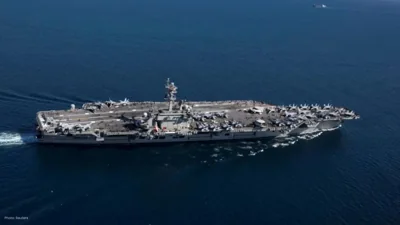
US Issues Alarm to Iran as Military Forces Deploy in Gulf Region
With a significant military presence in the Gulf, Trump urges Iran to negotiate a nuclear deal or fa

Copper Prices Reach Unprecedented Highs Amid Geopolitical Turmoil
Copper prices soar to all-time highs as geopolitical tensions and a weakening dollar boost investor

New Zealand Secures First Win Against India, Triumph by 50 Runs
New Zealand won the 4th T20I against India by 50 runs in Vizag. Despite Dube's impressive 65, India