Post by : Saif Nasser
US-sanctioned supertankers have entered the Gulf despite a strict blockade, raising serious concerns about enforcement and global oil supply. This development comes at a time when tensions between the United States and Iran remain high.
The blockade was introduced to limit the movement of ships linked to Iranian oil trade. The focus has been on controlling traffic through the Strait of Hormuz, one of the most important oil routes in the world. A large share of global oil supply passes through this narrow passage, making it a key point of concern for international markets.
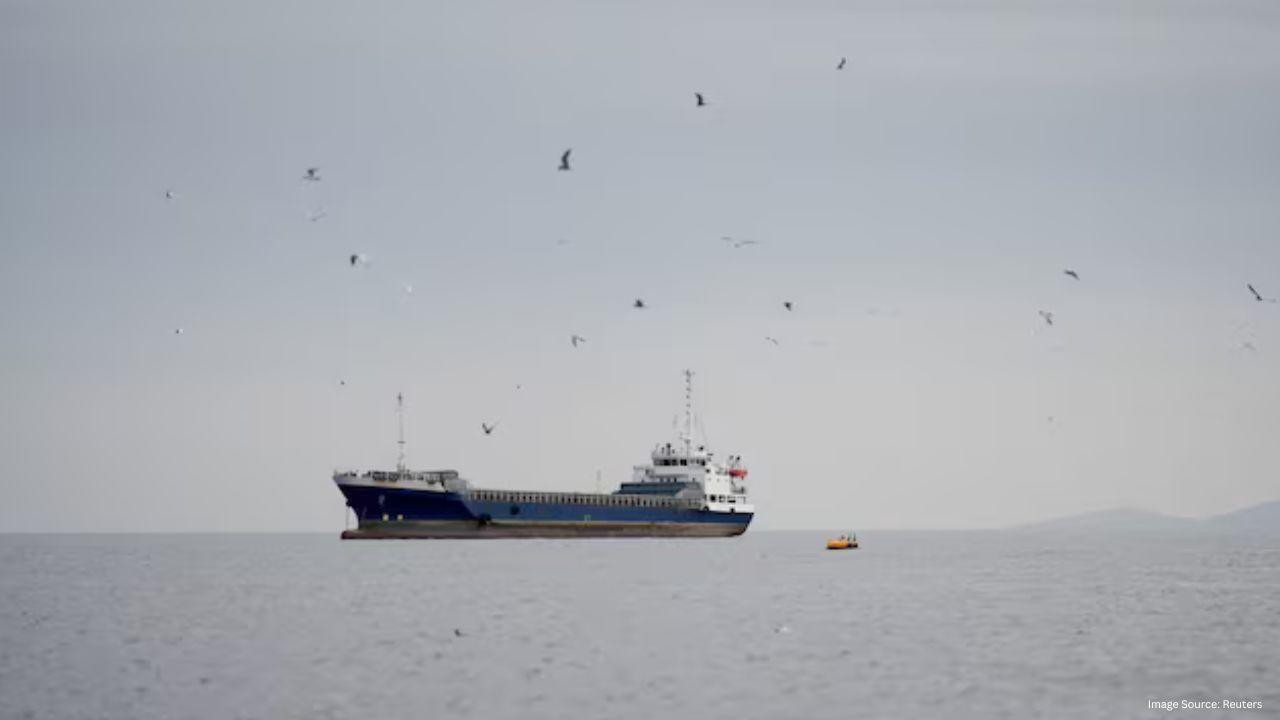
Despite these restrictions, reports show that some very large crude carriers, also known as supertankers, have successfully entered the Gulf. These ships are capable of carrying millions of barrels of oil and are closely monitored due to their impact on global energy supply. Their entry has raised questions about how effective the blockade really is.
Experts say that enforcing a blockade in such a busy and wide area is extremely difficult. Thousands of ships move through the region regularly, and tracking each one in real time can be a major challenge. Some vessels may change routes, turn off tracking systems, or use other methods to avoid detection.
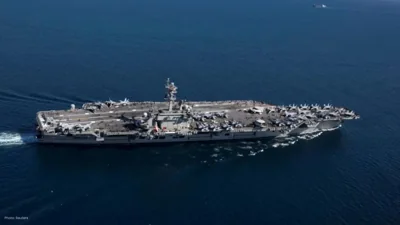
The United States has stated that several ships have been stopped or turned back since the blockade began. However, the fact that sanctioned tankers have still managed to enter the Gulf suggests that there may be gaps in enforcement. This has increased concerns among global observers and policymakers.
The situation also highlights the role of what is often called the “shadow fleet.” These are ships that operate in less visible ways, often avoiding strict monitoring. They play a key role in helping sanctioned oil continue to move across global markets.
Meanwhile, Iran has continued its oil-related activities despite economic pressure. The country is believed to be using alternative methods and routes to maintain its exports. This has added another layer of complexity to the ongoing crisis.
The impact of these developments is being felt around the world. Oil prices are sensitive to any disruption in supply, and uncertainty in the Middle East can lead to sudden increases in fuel costs. This affects transportation, industries, and daily life in many countries.
There are also growing concerns about regional security. Increased military presence and rising tensions raise the risk of further conflict. Any escalation in the Strait of Hormuz could have serious consequences for global trade and economic stability.
At the same time, diplomatic efforts are continuing behind the scenes. Many countries are urging both sides to reduce tensions and find a peaceful solution. Dialogue remains an important tool in preventing the situation from getting worse.
The entry of US-sanctioned supertankers into the Gulf shows how complex and challenging the current situation is. It reflects the limits of enforcement measures and the ongoing struggle to control global energy routes during times of conflict.
The coming weeks will be important in shaping how this situation develops. Strong coordination, careful monitoring, and continued diplomatic efforts will be needed to maintain stability and avoid further disruption in global oil supply.




Starbucks Engages Boyu Capital for Major Chinese Expansion
Starbucks teams up with Boyu Capital, selling a majority stake to boost growth and adapt to the Chin

Three Individuals Charged in Massive Meth Trafficking Case in Malaysia
In Malaysia, a married couple and another suspect are charged with trafficking 510kg of meth, facing
Singapore Police Revisit Geylang Murder Scene with Suspect
In Geylang, police return a murder suspect to the scene of a crime involving the fatal stabbing of a

Mattel Revives Masters of the Universe Action Figures Ahead of Film Launch
Mattel is reintroducing Masters of the Universe figures in line with its upcoming film, tapping into
China Executes 11 Members of Criminal Clan Linked to Myanmar Scam
China has executed 11 criminals associated with the Ming family, known for major scams and human tra