Post by : Bianca Suleiman
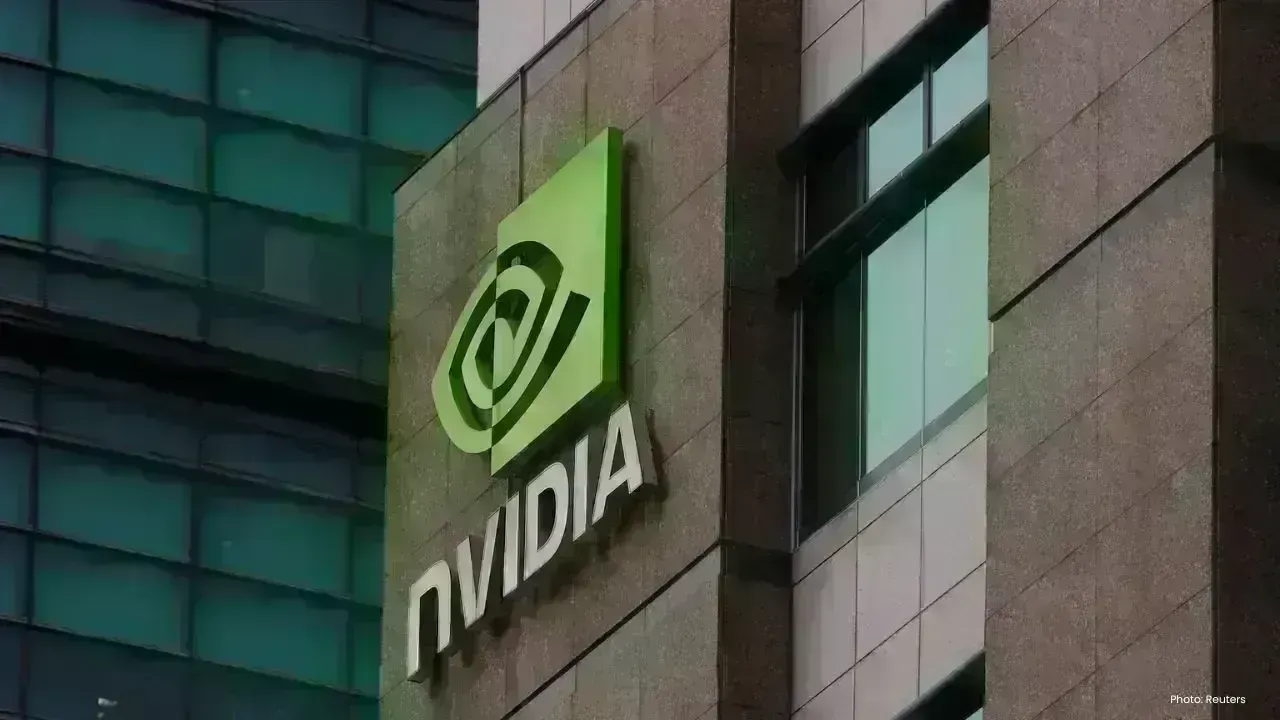
The Trump administration is initiating a formal review that may lead to the first sanctioned exports of Nvidia’s H200 chips to China, as reported by insiders. This development follows President Donald Trump’s recent declaration to allow limited chip sales to Chinese entities, contingent upon a 25% fee to the U.S. government.
If authorized, this decision could mark a pivotal change in U.S. policy and shift the ongoing discussion on balancing technological supremacy with commercial relations with the world’s second-largest economy.
Opening Up Chip Exports: A Controversial Move
While the H200 chip is not on the cutting edge compared to Nvidia’s latest Blackwell line, it is still a robust processor employed in various sectors for developing and executing advanced computing models. Previously, the H200 had been restricted from entering the Chinese market due to earlier export limitations.
Trump's reconsideration has drawn criticism from lawmakers, analysts, and advocates concerned about national security. They argue that even older U.S. chips could enhance China's technological prowess, particularly in military applications. Critics warn that easing these restrictions might weaken the U.S. stance and reduce the impact of earlier bans aimed at curbing China’s semiconductor advancements.
Supporters within the administration, however, contend that allowing managed sales could dissuade Chinese firms—such as major rivals like Huawei—from accelerating their domestic technological developments. By permitting sales only of less advanced chips, policymakers hope to retain strategic advantages while keeping China reliant on American suppliers.
The License Review Process
Sources indicate that the Commerce Department has submitted export license requests to three essential agencies: the State Department, the Energy Department, and the Department of Defense. These agencies will assess the potential security risks, economic implications, and geopolitical factors tied to the proposed exports.
Under current export guidelines, these agencies have 30 days to provide their responses. If a consensus is not met, the final decision will rest with President Trump. This inter-agency review process had not been publicly disclosed until now.
Neither the Commerce Department nor Nvidia has commented on this matter. The White House also refrained from specifics but reiterated a commitment to fortifying American technology leadership while ensuring national security.
Rising Demand in China and Nvidia's Production Status
Interest from Chinese firms in the H200 is notably significant. Nvidia is reportedly considering ramping up production due to inquiries from Chinese customers exceeding their current output capabilities. Meanwhile, the company continues to give precedence to its advanced Blackwell chips in markets unaffected by restrictions.
This possible easing of restrictions takes place amid Nvidia's central role in the global competition for high-performance computing. Although the H200 is a generation behind, it remains capable of handling demanding workloads, appealing across various sectors from academic research to commercial uses.
A Shift from Trump’s Initial Stance
This action contrasts sharply with Trump’s approach during his first term, during which he enforced stringent restrictions on China’s access to U.S. technologies. His administration previously asserted that China was exploiting commercially-acquired technologies for military applications and often accused the nation of intellectual property theft—a claim China has denied.
Several senior officials involved in the discussions, including White House technology adviser David Sacks, are advocating for a more pragmatic perspective. They believe that regulated exports combined with a revenue-sharing model could support American companies while influencing China’s dependence on U.S. suppliers.
Intensifying National Security Concerns
This proposal has sparked a significant debate in Washington. Opponents caution that even older chips could enhance China’s computing power. They fear that Beijing might repurpose commercial equipment for defense or government projects. For critics, any relaxation poses a risk to years of bipartisan efforts to prevent U.S. technology from bolstering China's military.
Conversely, proponents argue that total isolation is impractical and could backfire, compelling China to quickly bolster its domestic chip production capabilities. They contend that strategic engagement, coupled with stringent oversight, may be a more effective alternative than outright sanctions, particularly if it enables American firms to stay competitive while stalling the development of alternatives within China's tech landscape.
Industry, Economic Ramifications, and Strategic Considerations
The stakes are significant for Nvidia. China represents a substantial prospective market, and even limited access could yield considerable revenue. Concurrently, U.S. officials must balance economic advantages against long-term security concerns.
If the licenses secure approval, the U.S. could set a precedent for distinguishing between chip generations, permitting older items while prohibiting cutting-edge technologies. This approach might shape future semiconductor policymaking, particularly as the global appetite for advanced computing surges and governments vie for control over supply chains.
This review process marks just the beginning. In the coming month, policymakers will scrutinize technical specifications, end-user risks, and potential safeguards. Beijing’s response remains a crucial factor; it remains to be seen if China will engage in purchases tied to a 25% fee benefiting the U.S. government.
At present, the review encapsulates a broader alteration in the administration’s methodology: moving away from blanket restrictions towards an approach that seeks economic benefit while implementing necessary safeguards. Whether this strategy will alleviate security worries or foster diplomacy in the larger U.S.–China tech rivalry is still uncertain.
As this review progresses, businesses, regulators, and international markets will observe closely. The outcome could not only shape the future of U.S.–China tech trade but also influence the trajectory of American semiconductor policies for years to come.







Mattel Revives Masters of the Universe Action Figures Ahead of Film Launch
Mattel is reintroducing Masters of the Universe figures in line with its upcoming film, tapping into

China Executes 11 Members of Criminal Clan Linked to Myanmar Scam
China has executed 11 criminals associated with the Ming family, known for major scams and human tra

US Issues Alarm to Iran as Military Forces Deploy in Gulf Region
With a significant military presence in the Gulf, Trump urges Iran to negotiate a nuclear deal or fa

Copper Prices Reach Unprecedented Highs Amid Geopolitical Turmoil
Copper prices soar to all-time highs as geopolitical tensions and a weakening dollar boost investor

New Zealand Secures First Win Against India, Triumph by 50 Runs
New Zealand won the 4th T20I against India by 50 runs in Vizag. Despite Dube's impressive 65, India