Post by : Bianca Suleiman
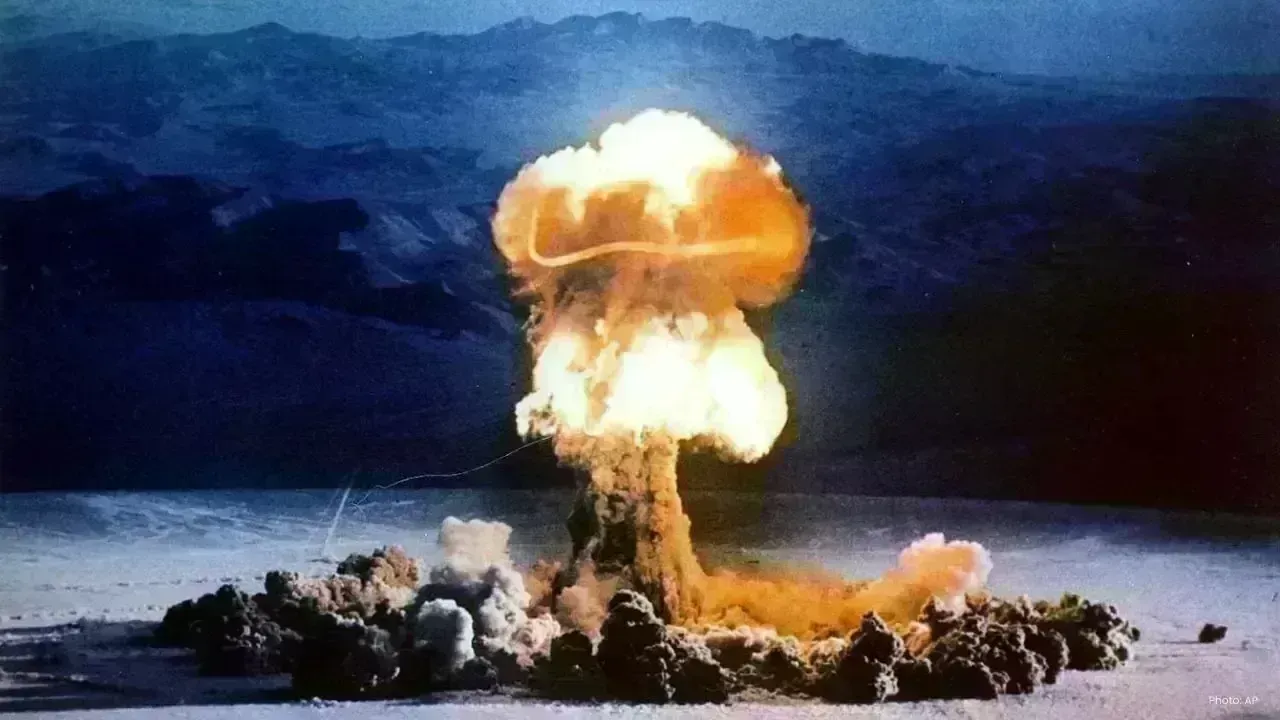
The United States has justified the possibility of resuming its nuclear testing amid escalating global tensions stemming from activities in Russia, China, and North Korea. This assertion follows U.S. President Donald Trump's suggestion that the nation may restart nuclear tests to counter perceived similar actions by other nuclear powers.
Howard Solomon, the U.S. Chargé d’Affaires to the International Organizations in Vienna, made these statements during a private gathering on November 10. This meeting, convened by the Preparatory Commission of the Comprehensive Nuclear-Test-Ban Treaty Organization (CTBTO), is focused on efforts to curb nuclear explosions globally. His remarks were revealed to the public through insights obtained by The Associated Press.
Solomon indicated that the U.S. would begin preparations for nuclear tests equivalent to other nuclear-capable nations. He emphasized that these actions would be conducted with transparency and a commitment to national security. He expressed concerns that Russia and China may have violated their obligations to halt nuclear testing, particularly concerning zero-yield explosions, since 2019.
Zero-yield nuclear tests involve minuscule explosions that compress nuclear material to instigate a chain reaction. Nonetheless, they remain prohibited under the CTBT. Even these small explosions violate treaty regulations.
Concerns Regarding Russia, China, and North Korea
Solomon pointed to longstanding U.S. concerns regarding Russia and China’s adherence to the nuclear testing ban. The U.S. claims there may be indications of testing activities at China’s Lop Nur site in Xinjiang and Russia’s Novaya Zemlya testing facility in the Arctic. While both nations have signed the CTBT, they have not ratified it, asserting that they uphold a strict moratorium on testing and refuting any allegations of violations.
Additionally, Solomon addressed North Korea’s nuclear testing history, noting that the country has conducted six significant tests since the dawn of the 21st century. These events were substantial enough to be detected by the CTBTO's monitoring system. Experts underline that extremely low-yield tests conducted deep underground may evade detection, fueling U.S. suspicion of clandestine tests in several nations.
Trump’s Assertions and U.S. Stance
Recently, President Trump claimed that both Russia and China are conducting nuclear tests inconspicuously. He asserted that, unlike these nations, the U.S. operates transparently in discussing its policies. When questioned about whether Trump was referencing low-yield tests, a White House official reaffirmed that the president aims for U.S. tests to be on par with those of others.
The official did not elaborate further but noted that increased testing in other countries necessitates that the U.S. maintains its position.
Russia’s Response to Allegations
In response to Solomon's statements, Russia voiced strong objections. Russian Representative Mikhail Ulyanov cautioned that any resumption of nuclear testing could jeopardize global security and undermine the framework for nuclear non-proliferation. He has requested a detailed clarification from the U.S. regarding its proposed testing agenda.
Ulyanov dismissed U.S. accusations as “false” and “unacceptable,” asserting that Russia has adhered to its moratorium.
Wider Arms Control Issues
During the Vienna meeting, Solomon also reproached Russia for several other issues beyond nuclear testing. He highlighted Russia's ceasing participation in the New START treaty, its substantial inventory of nonstrategic nuclear arms, and its nuclear doctrine.
Nonstrategic nuclear weapons are smaller and intended for battlefield use, remaining unregulated by major arms control agreements, thereby complicating oversight efforts. Despite their smaller size compared to strategic nuclear arms, they can still inflict substantial damage, raising concerns about their potential use in conflicts.
The Federation of American Scientists has issued warnings regarding the threats posed by nonstrategic nuclear weapons, specifically highlighting their possible deployment in a scenario involving Russia and NATO.
Currently, Russia is estimated to possess between 1,000 and 2,000 nonstrategic nuclear warheads, in stark contrast to the U.S., which holds about 200, raising concerns among U.S. and NATO officials alike.
Strategic Nuclear Weapons and New START
Strategic nuclear weapons, significantly more powerful, are crafted to penetrate deep into enemy territory. The U.S. and Russia maintain comparable inventories: 1,770 for the U.S. and 1,718 for Russia.
These figures are constrained by the New START treaty, signed in 2010, which remains the last significant arms control accord between Washington and Moscow. Despite Russia's suspension of its participation in 2023, President Vladimir Putin indicated that Russia would observe the treaty limits for an additional year.
However, the agreement is set to lapse on February 5, which could lead to both nations' nuclear arsenals existing without restrictions for the first time in decades.
A Pivotal Moment for Global Nuclear Disarmament
The ongoing discourse surrounding nuclear testing exposes a broader crisis within global arms control. With trust eroding among principal nuclear powers, key treaties are increasingly under strain. The potential for renewed tests poses a risk of further destabilizing international security and instigating a new arms race.
The U.S. contends that any revival in testing is a necessary response to violations by other nations. However, Russia and China refute these assertions. Concurrently, North Korea persists in advancing its weapons initiatives, exacerbating uncertainty.
As tensions worldwide heighten, experts signal that nuclear brinkmanship could re-emerge. The disintegration of treaties like New START and divisions over CTBT compliance may compel nations to reconstruct and augment their arsenals.







Mattel Revives Masters of the Universe Action Figures Ahead of Film Launch
Mattel is reintroducing Masters of the Universe figures in line with its upcoming film, tapping into
China Executes 11 Members of Criminal Clan Linked to Myanmar Scam
China has executed 11 criminals associated with the Ming family, known for major scams and human tra
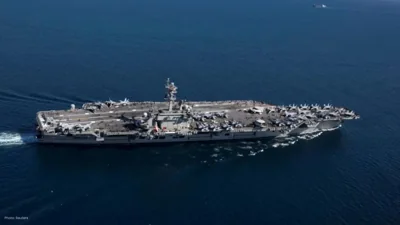
US Issues Alarm to Iran as Military Forces Deploy in Gulf Region
With a significant military presence in the Gulf, Trump urges Iran to negotiate a nuclear deal or fa

Copper Prices Reach Unprecedented Highs Amid Geopolitical Turmoil
Copper prices soar to all-time highs as geopolitical tensions and a weakening dollar boost investor

New Zealand Secures First Win Against India, Triumph by 50 Runs
New Zealand won the 4th T20I against India by 50 runs in Vizag. Despite Dube's impressive 65, India