Post by : Saif Nasser
The first four weeks of the war involving the United States, Israel, and Iran have shown how quickly a conflict can grow and affect the entire region. What began as a sudden military strike has now turned into a wider crisis with global impact, including economic pressure, rising tensions, and serious humanitarian concerns.
The conflict started on February 28, 2026, when the United States and Israel launched a large number of airstrikes across Iran. These strikes targeted military bases, missile systems, and key leaders. Reports say that hundreds of strikes were carried out in just the first few hours, marking one of the most intense openings to a modern conflict.
One of the most shocking moments in the early phase was the death of Iran’s top leadership, including its supreme leader, during the initial attacks. This changed the direction of the conflict immediately, as Iran responded strongly with missile and drone strikes across the region.
In the days that followed, the war quickly spread beyond Iran’s borders. Iranian missiles targeted Israel as well as U.S. military bases in countries like Saudi Arabia, Qatar, and the United Arab Emirates. Some attacks even reached areas far from the main battlefield, showing how wide the conflict had become.
By the second week, the situation had become more intense. Airstrikes continued daily, and both sides increased their military actions. Iran’s allies in the region also became more active, raising fears that the conflict could turn into a larger regional war. At the same time, global markets began to react, especially oil prices, as the Middle East is a key source of energy for the world.
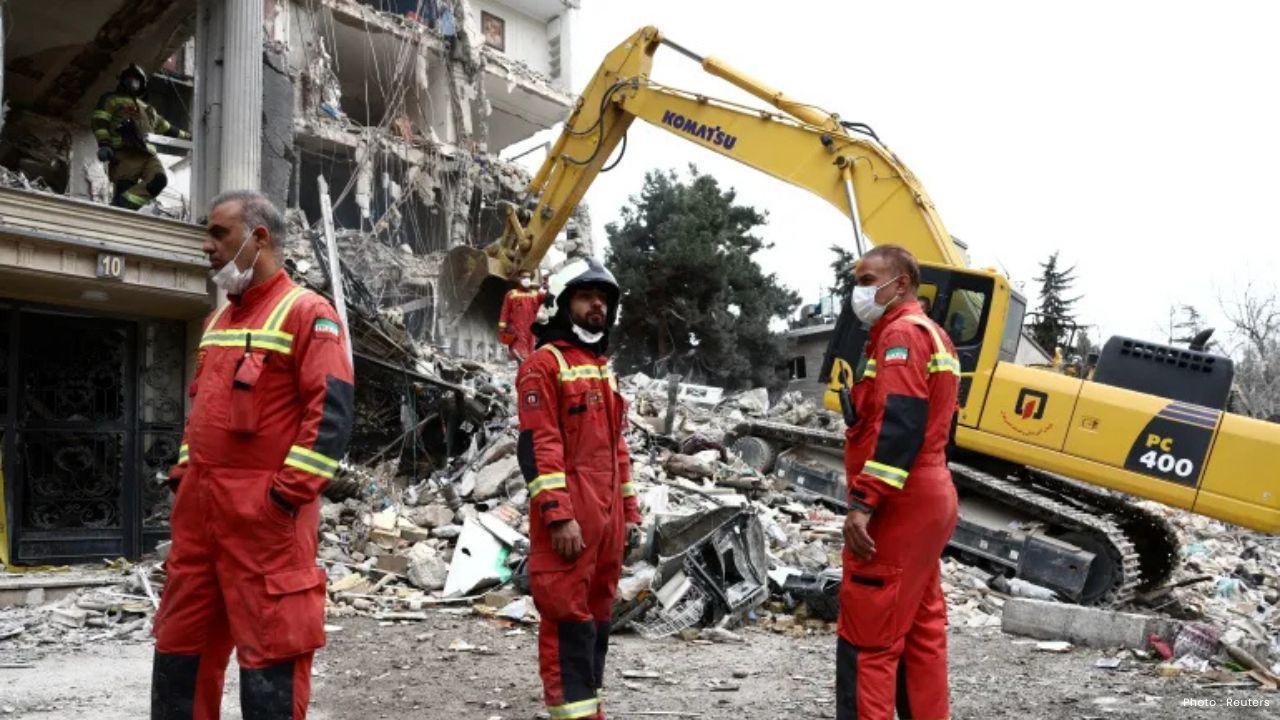
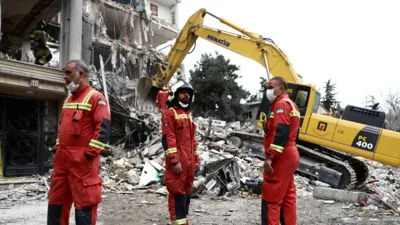
The human cost of the war became clearer as the weeks passed. Reports showed that many civilians were killed or injured, and important buildings such as schools and hospitals were damaged. Thousands of people were forced to leave their homes, especially in major cities.
By the third week, it became clear that the conflict was not ending quickly. Despite early expectations of a short campaign, both sides continued their attacks. Analysts noted that there was no clear plan for ending the war, and this created uncertainty for both the region and the world.
The fourth week saw even more serious developments. The conflict began to affect key global trade routes, especially the Strait of Hormuz, which is one of the most important paths for oil transport. Any disruption here can affect fuel prices worldwide. There were also concerns about new groups joining the conflict, which could make the situation even more complex.
Another important issue during these weeks has been the environmental impact. Large-scale bombings, fires, and fuel destruction have added to pollution and climate concerns. Experts warn that such conflicts can have long-term effects not only on people but also on the planet.
From an editorial point of view, the first four weeks of this war highlight how modern conflicts are no longer limited to one area. They quickly spread across borders and affect many countries at the same time. Military actions, economic effects, and humanitarian issues all become connected.
The situation also shows the limits of military solutions. While airstrikes may achieve short-term goals, they often lead to retaliation and further escalation. Without strong diplomatic efforts, conflicts like this can continue longer than expected.
Another key lesson is the heavy cost paid by ordinary people. Civilians often suffer the most, even though they are not directly involved in the conflict. Loss of homes, lack of basic services, and fear for safety become part of daily life.
In conclusion, the first four weeks of the US–Israel war on Iran have been marked by rapid escalation, widespread damage, and growing global concern. While leaders talk about timelines and strategies, the reality on the ground remains difficult and uncertain. The coming weeks will be crucial in deciding whether the conflict moves toward peace or continues to expand further.






Mattel Revives Masters of the Universe Action Figures Ahead of Film Launch
Mattel is reintroducing Masters of the Universe figures in line with its upcoming film, tapping into

China Executes 11 Members of Criminal Clan Linked to Myanmar Scam
China has executed 11 criminals associated with the Ming family, known for major scams and human tra
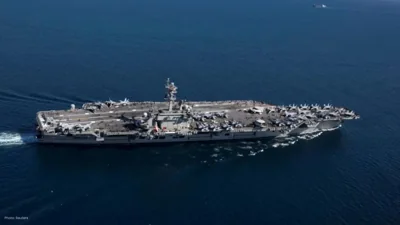
US Issues Alarm to Iran as Military Forces Deploy in Gulf Region
With a significant military presence in the Gulf, Trump urges Iran to negotiate a nuclear deal or fa

Copper Prices Reach Unprecedented Highs Amid Geopolitical Turmoil
Copper prices soar to all-time highs as geopolitical tensions and a weakening dollar boost investor

New Zealand Secures First Win Against India, Triumph by 50 Runs
New Zealand won the 4th T20I against India by 50 runs in Vizag. Despite Dube's impressive 65, India