Post by : Saif Nasser
The ongoing conflict involving the United States, Israel, and Iran has entered a critical phase, with U.S. officials saying the military operation could be completed within weeks. However, even as this timeline is suggested, heavy airstrikes and regional attacks continue, showing that the situation remains far from stable.
Marco Rubio has stated that the United States expects to achieve its objectives in Iran within a short period. He said the operation is “on or ahead of schedule” and could be completed in weeks rather than months.
Despite this confidence, the reality on the ground tells a more complex story. Airstrikes by the United States and Israel are still ongoing, targeting key military and infrastructure sites in Iran. These attacks began on February 28, 2026, and have since expanded across the region.
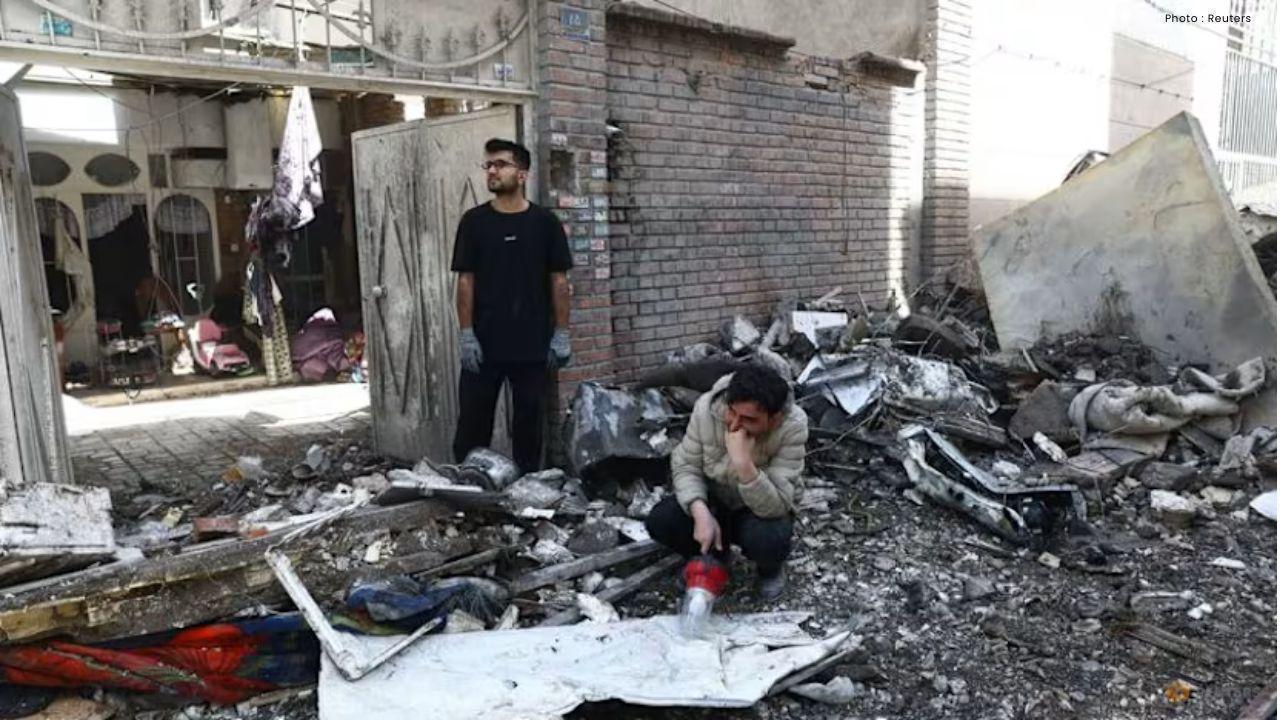
The conflict has already caused heavy damage and loss of life. Thousands of people have been killed, and important facilities such as power plants, factories, and military bases have been hit. At the same time, Iran has responded with missile and drone attacks across several countries, including Israel and parts of the Gulf region.
The war is no longer limited to one country. It has spread across the Middle East, affecting places like Saudi Arabia, the United Arab Emirates, Bahrain, and Kuwait. These attacks have increased fear that the conflict could turn into a wider regional war.
Another serious concern is the impact on global energy supply. The conflict has disrupted oil production and transport routes, especially around the Strait of Hormuz, which is one of the most important paths for global oil trade. As a result, oil prices have risen sharply, affecting economies around the world.
From an editorial point of view, the gap between official statements and ground reality is striking. While leaders speak of a short timeline, the continued attacks and rising tensions suggest that the conflict could last longer than expected.
There is also growing concern about the use of military power without a clear long-term plan. While airstrikes may weaken military targets, they often lead to retaliation, creating a cycle of violence that is hard to stop.
Diplomatic efforts are ongoing, with countries like Pakistan, Turkey, and Egypt trying to act as mediators. However, there has been little progress so far. Iran has stated that it is not currently engaged in direct talks with the United States, making a quick resolution more difficult.
At the same time, the United States has deployed additional troops to the region, not for direct combat but to provide flexibility in case the situation changes. This has raised concerns that the conflict could expand into a ground war if tensions continue to rise.
The human cost of the war is also increasing. Civilians in multiple countries are facing fear, displacement, and loss. Infrastructure damage has made daily life difficult in affected areas, and humanitarian needs are growing.
This conflict also highlights the broader risks of modern warfare. With multiple countries and groups involved, even a small escalation can quickly spread across borders. The involvement of allies and regional groups adds further complexity to the situation.
At the same time, political pressure is rising within the United States. Higher fuel prices and economic uncertainty are affecting public opinion, leading to questions about the cost and purpose of the war.
The coming weeks will be crucial. While there is hope that the operation may end soon, the continued airstrikes and regional tensions suggest that the path to peace is still uncertain. The situation remains fluid, and each new development has the potential to change the direction of the conflict.






Mattel Revives Masters of the Universe Action Figures Ahead of Film Launch
Mattel is reintroducing Masters of the Universe figures in line with its upcoming film, tapping into

China Executes 11 Members of Criminal Clan Linked to Myanmar Scam
China has executed 11 criminals associated with the Ming family, known for major scams and human tra
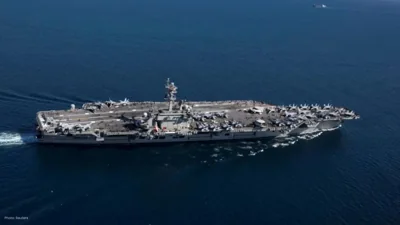
US Issues Alarm to Iran as Military Forces Deploy in Gulf Region
With a significant military presence in the Gulf, Trump urges Iran to negotiate a nuclear deal or fa

Copper Prices Reach Unprecedented Highs Amid Geopolitical Turmoil
Copper prices soar to all-time highs as geopolitical tensions and a weakening dollar boost investor

New Zealand Secures First Win Against India, Triumph by 50 Runs
New Zealand won the 4th T20I against India by 50 runs in Vizag. Despite Dube's impressive 65, India