Post by : Saif Nasser
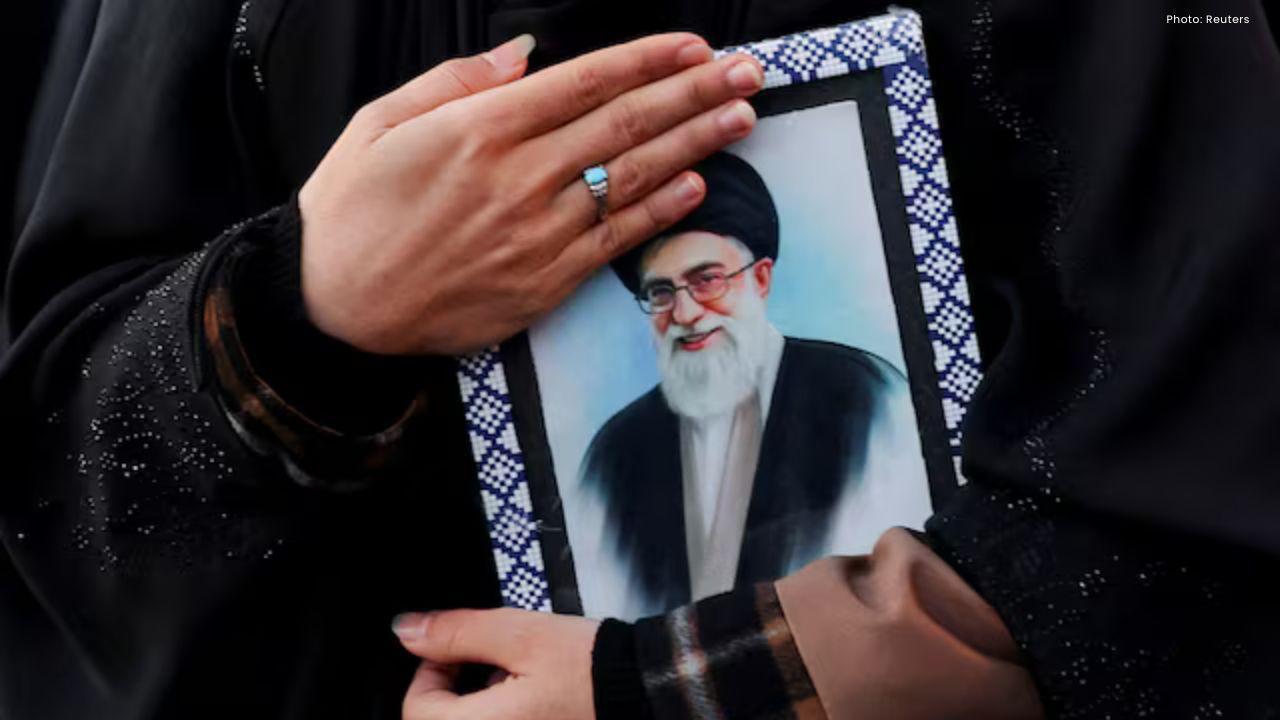
US officials say they do not believe Iran’s government will fall quickly even after the death of its Supreme Leader, Ali Khamenei, in a recent US and Israeli strike. Although some leaders in Washington had hoped Iran might change course or weaken, senior officials say the country’s system still holds strong.
The officials spoke privately to reporters and analysts, saying that Iran’s political and military structures are deep and resilient. They said overthrowing the whole regime will not happen quickly or easily. Instead, experts and intelligence officers believe that Iran’s ruling institutions could stay in control, even without Khamenei.
Before the strike, the Central Intelligence Agency had looked at possible outcomes if Khamenei were killed. Its reports said Iran might choose new leaders from the powerful Islamic Revolutionary Guard Corps, which is a major military and political institution in the country. Hardline commanders from this force could help keep the system in place.
Many US officials hoped that removing Iran’s top leader might weaken the clerical leadership and bring change from within. Some also thought that people in Iran, unhappy with the hard rule and tough economy, might rise in protest. But the new assessments suggest this is not likely to happen by itself. Without major breaks within Iran’s security forces, regime change is seen as unlikely.
Analysts say that the presence of strong security groups like the Revolutionary Guard makes the Iranian system hard to break. These forces are loyal to the clerical establishment and have deep roots across the country’s government, economy, and military. They also have close ties to key leaders and may act to keep the system intact.
US officials also pointed out that they have no clear plan for what comes after the elections of a new Iranian leader. Lawmakers in the US reported that there is no fully developed “day-after” strategy. They said the Trump administration has talked publicly about wanting change in Tehran, but in private discussions there is serious doubt about the chances of a quick collapse of Iran’s government.
Inside Iran, the situation remains tense. A temporary leadership council is in charge while the country prepares to pick a new Supreme Leader, following the constitutional process. Security forces inside Iran have responded firmly to any unrest, and there is little sign of mass support for overthrowing the regime at this time.
The debate among US officials shows that even powerful nations cannot easily predict how political change will happen in another country. While the Trump administration has spoken strongly about weakening Iran’s clerical rule and urging people to rise up, many in Washington now recognize that deep political and military roots in Tehran could keep the existing system in place for some time.
The view from those discussions is clear: regime change in Iran is not likely to happen quickly. The institutions that have been in place for decades still have strength, and without serious fractures within Iran’s elite and security forces, the government may continue its course even after a historic moment like the death of its Supreme Leader.







Starbucks Engages Boyu Capital for Major Chinese Expansion
Starbucks teams up with Boyu Capital, selling a majority stake to boost growth and adapt to the Chin
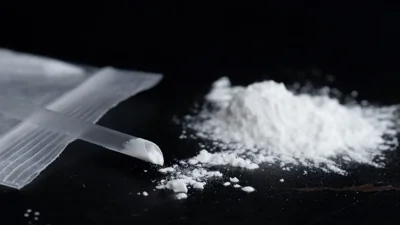
Three Individuals Charged in Massive Meth Trafficking Case in Malaysia
In Malaysia, a married couple and another suspect are charged with trafficking 510kg of meth, facing
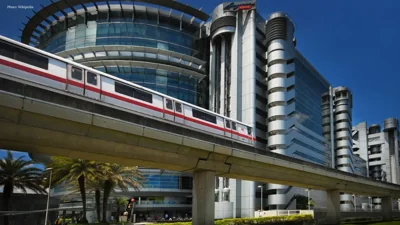
Singapore Police Revisit Geylang Murder Scene with Suspect
In Geylang, police return a murder suspect to the scene of a crime involving the fatal stabbing of a

Mattel Revives Masters of the Universe Action Figures Ahead of Film Launch
Mattel is reintroducing Masters of the Universe figures in line with its upcoming film, tapping into

China Executes 11 Members of Criminal Clan Linked to Myanmar Scam
China has executed 11 criminals associated with the Ming family, known for major scams and human tra