Post by : Saif Nasser
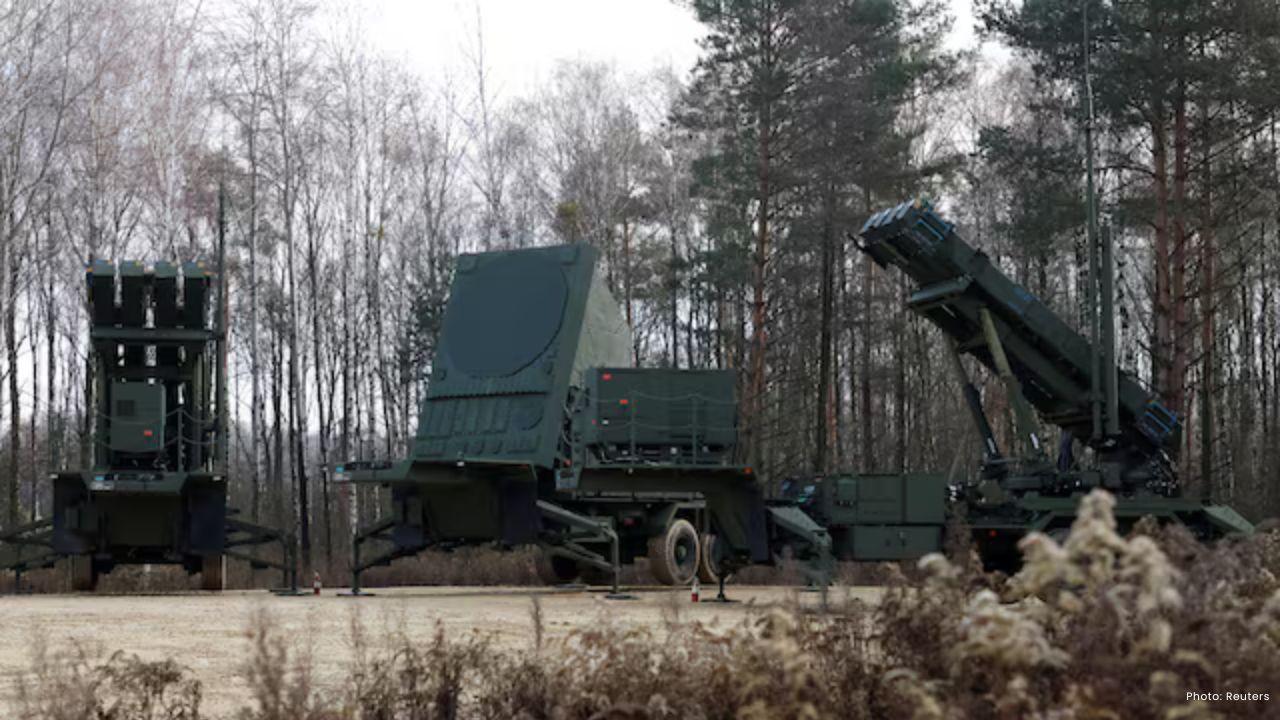
The United States has approved a potential $9 billion arms sale to Saudi Arabia that includes hundreds of Patriot interceptor missiles and related defense equipment. The decision, confirmed by the Pentagon, marks one of the largest missile defense sales between the two longtime partners and comes at a time of continued security concerns across the Middle East.
According to U.S. officials, the State Department gave its approval after Saudi Arabia formally requested to buy 730 Patriot Advanced Capability-3 Missile Segment Enhancement missiles, commonly known as PAC-3 MSE. These missiles are designed to intercept and destroy incoming ballistic missiles, cruise missiles, and aircraft. They are considered one of the most advanced air and missile defense systems in the world.
The main contractor for the deal will be Lockheed Martin, a major U.S. defense company that manufactures the PAC-3 MSE missiles. If the sale is finalized, it will strengthen Saudi Arabia’s ability to defend itself against aerial threats, particularly missiles and drones, which have become more common in regional conflicts in recent years.
U.S. officials stressed that the proposed sale is defensive in nature. The Pentagon said the deal will not change the overall military balance in the Middle East and will not harm U.S. military readiness. This point is important because arms sales in the region often raise concerns about escalating tensions or triggering an arms race.
Supporters of the sale argue that Saudi Arabia faces real security threats and needs strong defensive systems to protect its cities, energy facilities, and population. Patriot systems have been used by Saudi forces in the past to intercept missiles fired toward the kingdom, particularly during periods of regional instability.
At the same time, the sale reflects the broader security relationship between Washington and Riyadh. The United States has long provided military support and equipment to Saudi Arabia, viewing the kingdom as a key partner in maintaining regional security and protecting vital trade and energy routes.
However, such large arms deals also attract criticism. Some observers worry about the long-term impact of continued weapons sales in the Middle East, especially given the region’s history of conflict. Human rights groups often urge greater scrutiny of arms transfers, calling for assurances that weapons will be used strictly for defense and in line with international law.
For now, the approval does not mean the sale is complete. The deal will still go through further steps, including congressional review, before it becomes final. Lawmakers will have the opportunity to examine the terms and raise objections if they have concerns.
Overall, the approval of this $9 billion Patriot missile sale highlights the United States’ continued role as a major arms supplier and security partner in the Middle East. It also shows how missile defense has become a central issue as countries seek protection in an increasingly uncertain regional environment.










DAE Achieves Remarkable Growth in Q1 2026 With Record Revenue
Dubai Aerospace Enterprise announces impressive financial results for Q1 2026, reflecting a surge in

Price Increase for Sony PS5 in Southeast Asia Effective May 1
Sony announces a price increase for the PS5 across Southeast Asia starting May 1, 2026, impacting ga

Potential ‘Super El Niño’ in 2026: Understanding the Climate Risks
Could a Super El Niño emerge in 2026? Discover its implications and potential global climate impacts

Global Energy Crisis Intensifies: Markets React to Oil Supply Challenges
Markets are on edge as oil disruptions escalate, influencing prices and economic stability. Explore

Must-See Tourist Spots in London You Can't Overlook
Explore London's essential attractions, from royal landmarks to vibrant markets, ensuring an unforge

Ultimate Guide to Snagging Cheap Flights in 2026
Unlock the secrets to booking affordable flights in 2026 with insightful tips and strategies tailore




