Post by : Saif Nasser
The United States has approved a major arms sale to Israel worth about $6.6 billion, strengthening military ties between the two allies at a time of continued conflict and instability in the Middle East. The deal includes advanced attack helicopters, assault vehicles, and related military equipment meant to support Israel’s defense needs.
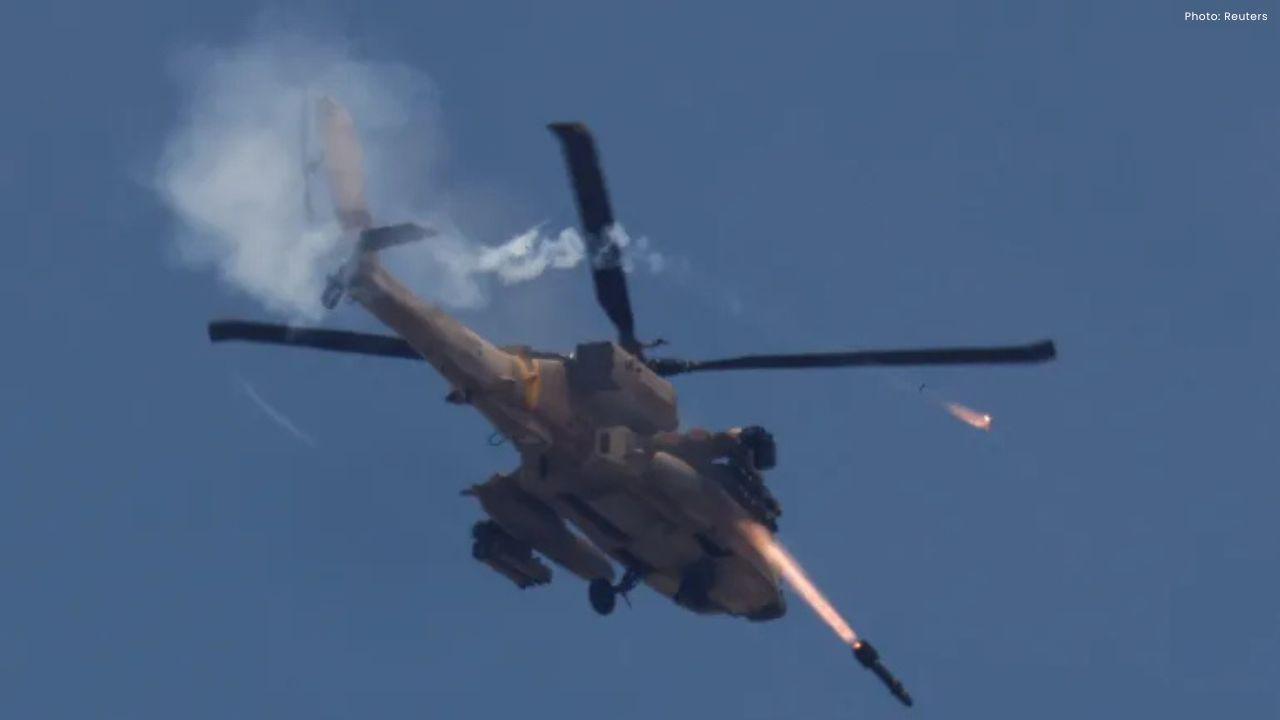
According to U.S. officials, the package includes 30 Apache attack helicopters, which are used for combat support and defense operations. These helicopters are equipped to strike ground targets and provide protection for troops during military missions. The deal also includes thousands of light tactical vehicles designed to transport soldiers and supplies in difficult and dangerous conditions.
In addition to helicopters and vehicles, the package covers power systems for armored carriers and smaller utility helicopters used for transport and support roles. Together, these items aim to improve Israel’s mobility, readiness, and ability to respond quickly to threats.
The U.S. government stated that the sale is meant to help Israel defend itself and does not change the overall military balance in the Middle East. American officials said the equipment is largely defensive and supports Israel’s long-term security goals. The approval follows long-standing U.S. policy of backing Israel’s military strength.
The timing of the deal has drawn attention because of ongoing violence in the region, especially following months of conflict involving Gaza. Critics argue that sending more weapons during such a period could increase violence and make peace efforts harder. They warn that advanced weapons can lead to higher civilian casualties if conflicts escalate.
Supporters of the deal counter that Israel faces serious security threats and has the right to protect its citizens. They say modern military equipment helps reduce risks to soldiers and improves precision, which can limit wider damage during operations.
Human rights groups and international observers continue to call for restraint in arms transfers to conflict zones. They stress the need to balance security concerns with humanitarian responsibilities and urge all sides to work toward long-term peace instead of relying on military solutions.
The arms sale will now go through a standard review process, during which U.S. lawmakers can examine the details and raise concerns. While such reviews rarely block major deals, they often spark political debate inside the United States.
This approval highlights the deep and ongoing defense relationship between the United States and Israel. At the same time, it adds to broader discussions about how weapons sales affect regional stability, civilian safety, and the prospects for peace in the Middle East.The United States has approved a large military equipment sale to Israel valued at about $6.6 billion, reinforcing the strong defense relationship between the two countries. The decision comes at a time of ongoing conflict and uncertainty in the Middle East, making the deal both significant and controversial.
The approved package includes advanced attack helicopters that are used for air support and defense missions. These aircraft are designed to protect ground forces, respond to threats quickly, and carry out precision strikes when needed. Along with the helicopters, Israel will receive thousands of light assault vehicles used to transport troops, supplies, and equipment across challenging terrain.
The deal also covers power systems for armored military vehicles and smaller utility helicopters that help with transport and support tasks. Together, these systems aim to improve Israel’s military readiness, mobility, and ability to respond to security challenges.
U.S. officials have said the sale is meant to help Israel defend itself and does not alter the overall military balance in the region. They describe the equipment as largely defensive and in line with long-standing U.S. policy of supporting Israel’s security needs.
The timing of the approval has raised concerns among critics, especially as violence continues in parts of the region. Some argue that sending advanced weapons during periods of conflict could lead to further escalation and more civilian suffering. They believe diplomatic efforts, not arms sales, should be the focus.
Supporters of the deal argue that Israel faces real and ongoing security threats and must have the tools needed to protect its population. They say modern equipment can improve accuracy and reduce risks to soldiers, potentially limiting wider harm during military operations.
The arms sale will now undergo a review process by U.S. lawmakers. While such reviews are routine, they often lead to debate about the role of arms exports in global conflicts and the responsibilities of major weapons suppliers.
This latest approval highlights the depth of U.S.–Israel military cooperation. It also brings renewed attention to the broader question of how arms sales affect regional stability, humanitarian concerns, and long-term peace efforts in the Middle East.










DAE Achieves Remarkable Growth in Q1 2026 With Record Revenue
Dubai Aerospace Enterprise announces impressive financial results for Q1 2026, reflecting a surge in

Price Increase for Sony PS5 in Southeast Asia Effective May 1
Sony announces a price increase for the PS5 across Southeast Asia starting May 1, 2026, impacting ga

Potential ‘Super El Niño’ in 2026: Understanding the Climate Risks
Could a Super El Niño emerge in 2026? Discover its implications and potential global climate impacts

Global Energy Crisis Intensifies: Markets React to Oil Supply Challenges
Markets are on edge as oil disruptions escalate, influencing prices and economic stability. Explore

Must-See Tourist Spots in London You Can't Overlook
Explore London's essential attractions, from royal landmarks to vibrant markets, ensuring an unforge

Ultimate Guide to Snagging Cheap Flights in 2026
Unlock the secrets to booking affordable flights in 2026 with insightful tips and strategies tailore