Post by : Saif Nasser
The United States and Iran are entering another critical round of nuclear talks in Geneva, and the mood around these meetings is tense. Diplomats from both sides are taking part in indirect negotiations aimed at reducing nuclear risks and lowering the chance of war. But at the same time, military forces are being positioned in the region, showing how fragile the situation remains.
These talks are not direct face-to-face meetings between the two countries. Instead, mediators are passing messages between them. Oman is playing a key role as a middle country helping both sides communicate. Senior envoys from Washington and top Iranian officials are involved, which shows that both governments see this moment as important.
The dispute centers on Iran’s nuclear program. The U.S. and its allies believe Iran has moved too close to the level of uranium enrichment needed to build a nuclear weapon. Iran says its program is for peaceful energy and research purposes only. This disagreement has lasted for many years and has caused repeated crises, sanctions, and threats of conflict.
Leading the Iranian side is Foreign Minister Abbas Araqchi, who has also met with Rafael Grossi, the head of the UN nuclear watchdog. Their meeting focused on technical cooperation and inspection issues. These technical details may sound small, but they are often the foundation of any real nuclear agreement.
On the American side, envoys linked to President Donald Trump are attending. The White House says it is willing to try for a deal but admits that reaching one will be difficult. U.S. officials have also signaled they want the talks to cover more than just nuclear material. They want limits on Iran’s missile program and regional military activity as well. Iran has rejected that wider scope and says nuclear limits in exchange for sanctions relief should be the only topic.
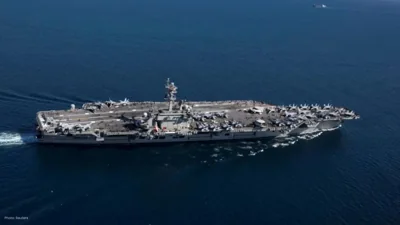
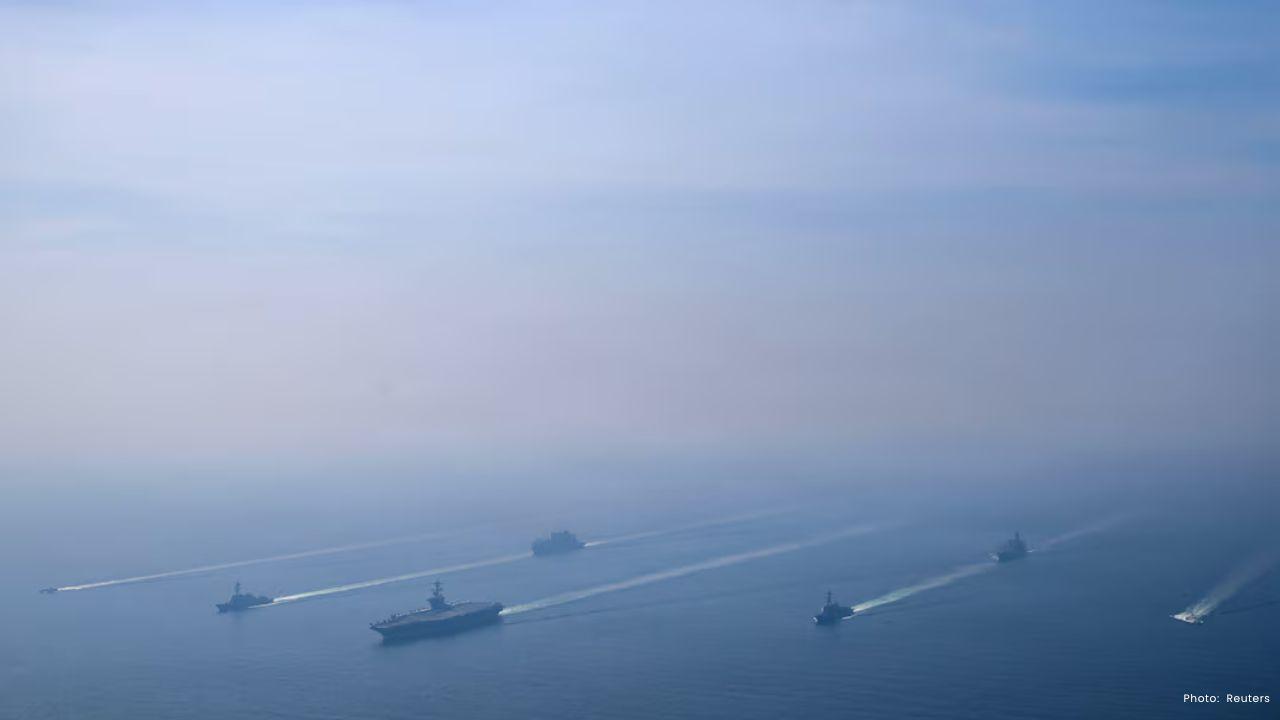
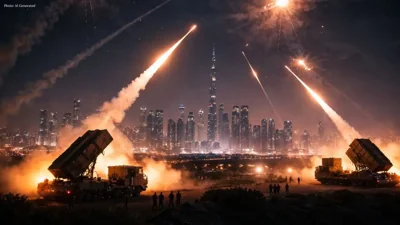
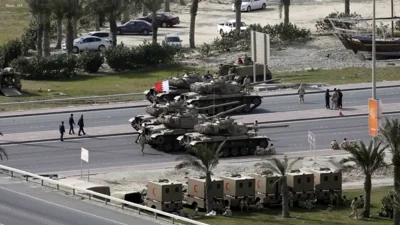
What makes this moment more dangerous is the military backdrop. The U.S. has increased its naval and air presence in nearby waters, including carrier strike groups and support ships. Iran has responded with its own military drills, especially near the Strait of Hormuz, one of the world’s most important oil shipping routes. When both sides show force at the same time, the risk of miscalculation rises.
Iran is also facing pressure at home. Its economy has been hurt by years of sanctions, high prices, and limited oil sales. There have been waves of protests over living costs and governance. Sanctions relief would help Iran’s economy, which is one reason Tehran is willing to keep talking. Still, Iranian leaders say they will not fully give up uranium enrichment, calling it a matter of national right and pride.
Memories of past failed talks still hang over Geneva. A previous attempt at progress collapsed after military strikes during a period of negotiation. That history makes both sides cautious and suspicious. Each fears making a concession that could be used against them later.
Israel and several Gulf Arab states are watching closely. They worry that a weak deal would allow Iran to move closer to a weapon. At the same time, they also fear that a complete collapse of talks could lead to open war. For many countries in the region, even a limited conflict could disrupt oil supplies and damage global markets.
Diplomacy often works slowly and quietly. Big breakthroughs are rare at early meetings. Most agreements come after many rounds of small steps, technical checks, and trust-building measures. The Geneva talks may not produce a final deal right away, but they can help test how far each side is willing to move.
Right now, the path ahead is narrow. One direction leads toward tighter limits and reduced tension. The other leads toward more sanctions, more military buildup, and possibly armed conflict. The fact that talks are happening at all is a positive sign, but success will depend on compromise, verification, and political courage on both sides.




Starbucks Engages Boyu Capital for Major Chinese Expansion
Starbucks teams up with Boyu Capital, selling a majority stake to boost growth and adapt to the Chin

Three Individuals Charged in Massive Meth Trafficking Case in Malaysia
In Malaysia, a married couple and another suspect are charged with trafficking 510kg of meth, facing

Singapore Police Revisit Geylang Murder Scene with Suspect
In Geylang, police return a murder suspect to the scene of a crime involving the fatal stabbing of a

Mattel Revives Masters of the Universe Action Figures Ahead of Film Launch
Mattel is reintroducing Masters of the Universe figures in line with its upcoming film, tapping into

China Executes 11 Members of Criminal Clan Linked to Myanmar Scam
China has executed 11 criminals associated with the Ming family, known for major scams and human tra