Post by : Saif Nasser
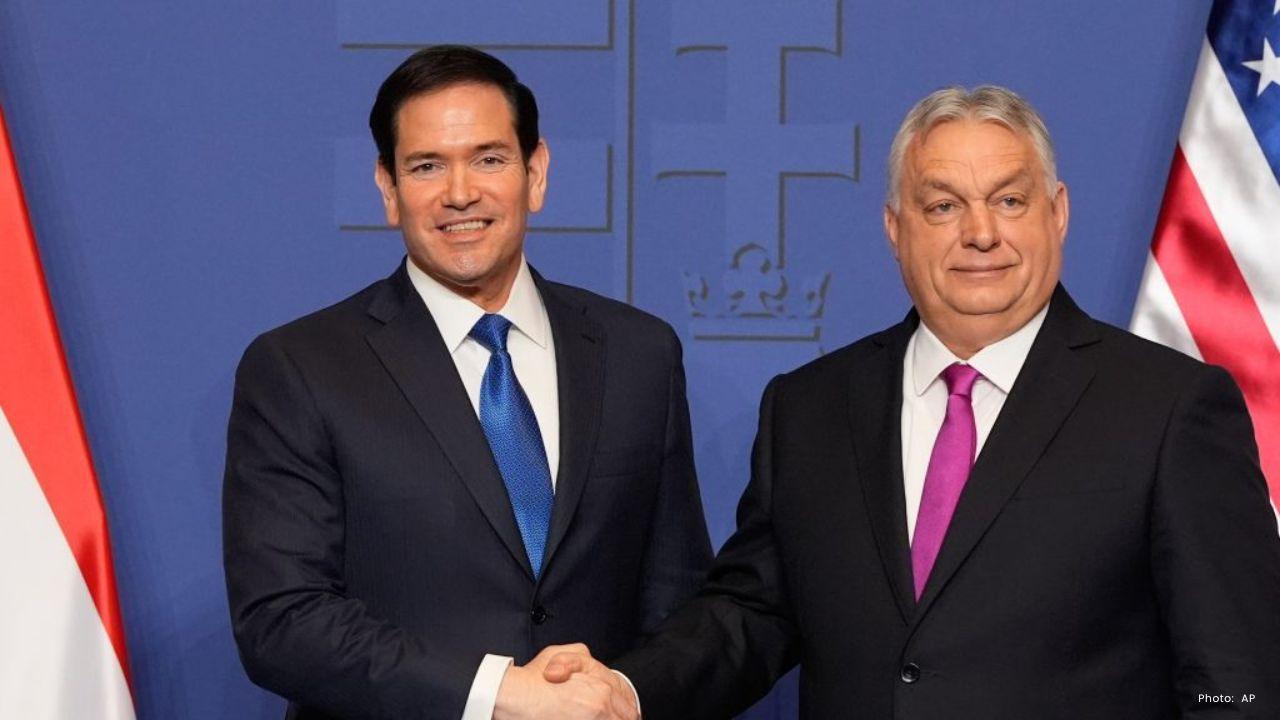
The recent visit of U.S. Secretary of State Marco Rubio to Hungary has created strong political reactions across Europe and the United States. During his meetings in Budapest, Rubio openly supported Hungarian Prime Minister Viktor Orbán and his attempt to win another term in the coming national elections. His comments showed how close the current U.S. leadership is with Orbán and his government.
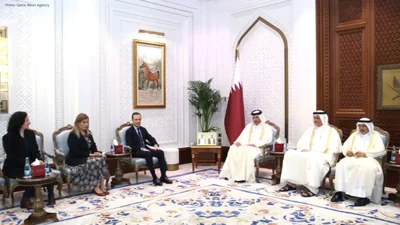
Rubio met Orbán in the Hungarian capital and praised his leadership. He said the relationship between Orbán and U.S. President Donald Trump is strong and personal. According to Rubio, this close connection has helped improve ties between the two countries. He told reporters that Orbán’s success is also good for the United States, sending a clear political message just weeks before Hungary’s election.
Orbán has been in power since 2010 and is now seeking a fifth straight term. However, this election is expected to be more difficult than earlier ones. Opinion polls show stronger competition from the opposition. Because of this, support from top American leaders could influence public debate inside Hungary and across the European Union.
During the visit, the two sides also signed a civilian nuclear cooperation agreement. This deal includes possible future purchases of small modular nuclear reactors and related fuel technology from the United States. These reactors are smaller than traditional nuclear plants and are promoted as faster and cheaper to build. Supporters say they can help countries improve energy security and reduce carbon emissions. Critics say nuclear expansion must still be handled with great care due to safety and waste concerns.
Rubio described U.S.–Hungary relations as entering a “golden age.” That phrase was also welcomed by Orbán, who has worked hard to build ties with Trump and conservative political groups in America. Hungary has hosted several conservative political events in recent years, and Orbán often speaks about national identity, border control, and traditional social values.
At the same time, Orbán remains a controversial figure in Europe. Many European leaders accuse his government of weakening democratic checks and balances. There has also been criticism of his policies on media freedom, courts, and civil rights. His government has taken tough positions against immigration and has passed laws that limit LGBTQ+ activities and recognition. Supporters say he is protecting national culture. Opponents say he is reducing personal freedoms.
Another point of debate is Hungary’s relationship with Russia. While most European Union countries reduced energy ties with Moscow after the Ukraine war, Orbán has continued buying Russian energy. He argues that Hungary needs affordable fuel and must protect its own economy first. This position has often put him at odds with other EU members.
During the Budapest talks, Orbán also said Hungary would be willing to host a future peace meeting between the United States, Russia, and Ukraine if such talks take place. He repeated his view that war should be ended through negotiation rather than continued military support. His critics say this position favors Russia. His supporters say it reflects a realistic approach to ending conflict.
Rubio’s visit to Hungary followed stops in other Central European countries. The trip shows that the current U.S. administration is paying more attention to governments in the region that share its political style and priorities. Energy cooperation appears to be a key goal, especially nuclear and long-term fuel supply deals.
The timing of Rubio’s strong endorsement is important. Foreign leaders usually avoid directly supporting one candidate in another country’s election. While such comments are not illegal, they can raise questions about outside influence. Some European observers say the statement may increase political tension during Hungary’s campaign period.
Still, the meeting shows a clear direction in present U.S.–Hungary relations. The partnership is becoming more personal and more political, not just diplomatic. Whether that brings long-term benefits will depend on election results, future policy choices, and how both sides handle disagreements.
As Hungary moves closer to its election day, the spotlight will remain on Orbán, his challengers, and his powerful friends abroad. Voters will decide whether international praise matters more than domestic concerns like prices, jobs, and public services.





Achieve Radiant Skin with This Simple Rice Flour Treatment
Transform your skincare routine! Discover how a rice flour mix can restore your skin's glow without

Meta Unveils Subscription Plans for Instagram, Facebook, and WhatsApp
Meta introduces new subscription plans for users of Instagram, Facebook, and WhatsApp, featuring enh

Suvarna Joy on Education Leadership, Resilience, and Building Purpose Through Adversity in the UAE
Suvarna Joy shares her journey of education leadership, motherhood, faith, and resilience within the

Anticipated Dates for UAE Eid Al Adha 2026 Unveiled by Astronomical Experts
Experts predict Eid Al Adha 2026 in the UAE to start on May 27, prompting early holiday planning amo

DAE Achieves Remarkable Growth in Q1 2026 With Record Revenue
Dubai Aerospace Enterprise announces impressive financial results for Q1 2026, reflecting a surge in

Price Increase for Sony PS5 in Southeast Asia Effective May 1
Sony announces a price increase for the PS5 across Southeast Asia starting May 1, 2026, impacting ga




