Post by : Saif Nasser
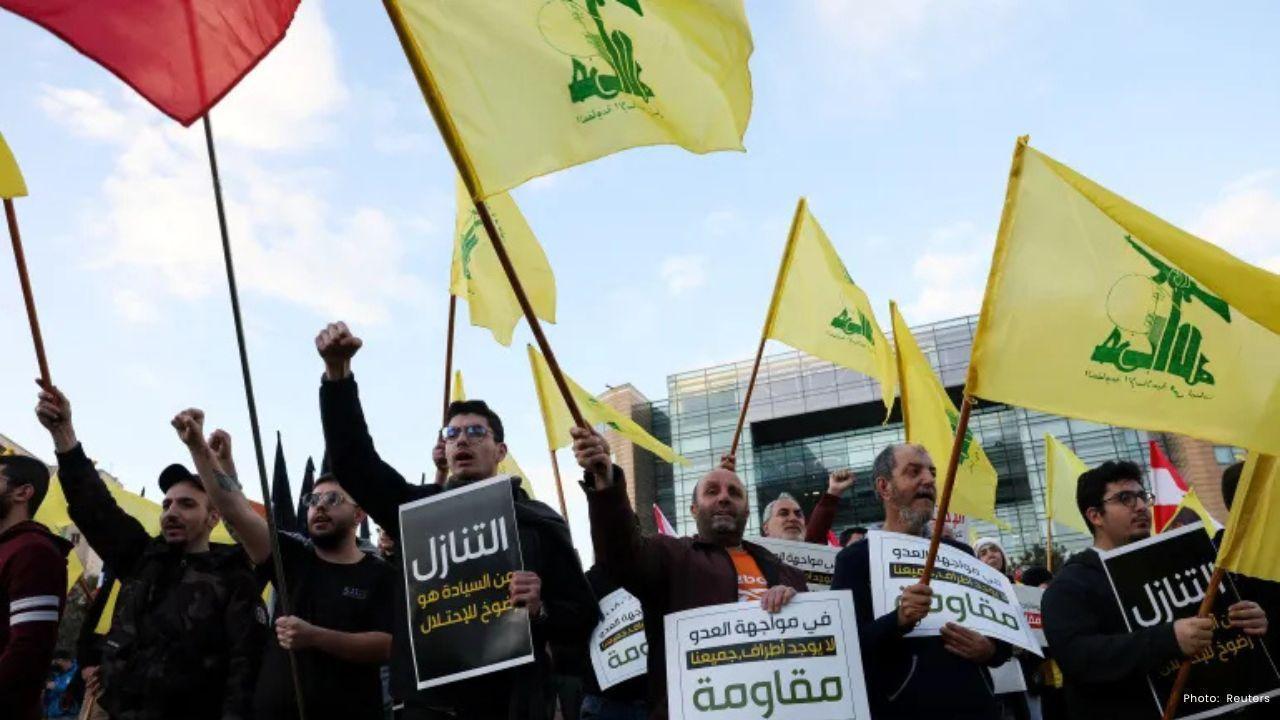
Lebanon’s government has announced that it will need at least four months to prepare and launch the second phase of a national plan to disarm Hezbollah, the powerful armed group based in the country’s south. The decision highlights how complex and sensitive the process is, both politically and militarily, as the state tries to place all weapons under official control.
The plan is being carried out by the Lebanese Armed Forces, which has been expanding its presence in southern areas. Officials say the first phase of deployment and weapons control in key border zones has been completed, but the next stage will be more difficult and will require more time, planning, and resources.
Government ministers explained that the second phase will cover a wider and more populated area. This means more checkpoints, more patrols, and more coordination with local communities. The army must also make sure that operations do not trigger clashes or create panic among residents. Because of these risks, leaders say a rushed move could do more harm than good.
The disarmament plan is linked to a ceasefire arrangement meant to reduce fighting along the border between Lebanon and Israel. For years, tensions between Israeli forces and Hezbollah fighters have led to repeated exchanges of fire, air strikes, and cross-border incidents. International mediators have pushed for a stronger role for the Lebanese state in border security as a way to lower the chance of a wider war.
Hezbollah, however, has strongly objected to the disarmament effort. Senior figures in the group say their weapons are necessary for national defense and to deter attacks. They argue that giving up arms while threats remain would weaken Lebanon. This disagreement shows a deep divide inside Lebanese politics about security, sovereignty, and the role of armed movements outside the state.
Supporters of the government’s approach say that only the national army should control weapons. They believe that a single chain of command is necessary for stability, foreign investment, and public trust. In their view, multiple armed actors create confusion and increase the risk of sudden conflict.
Critics respond that the situation on the ground is not so simple. Hezbollah has long been both a military force and a political party with support in parts of the population. Removing its weapons is not just a technical step but a major political shift. That is why the government is moving slowly and trying to avoid direct confrontation.
Security conditions are another reason for the four-month timeline. Southern Lebanon has seen repeated strikes and military activity in recent months. Officials say the army cannot safely expand operations if air attacks or border clashes continue. Preparation includes training units, moving equipment, clearing damaged areas, and building secure bases.
There are also logistical challenges. The army needs transport, surveillance systems, and engineering support to operate across rivers, hills, and towns. Each new deployment zone must be mapped and assessed before troops move in. Military planners say this kind of groundwork takes time if it is to be done properly.
The issue also has a strong international side. Foreign governments and organizations are watching closely because stability in southern Lebanon affects the wider Middle East. Diplomatic pressure has grown for Lebanon to strengthen state control, while at the same time avoid a new internal conflict.
The next few months will be a serious test for Lebanon’s leadership. If the second phase moves forward smoothly, it could increase the authority of state institutions. If it faces resistance or renewed violence, the process could stall and deepen divisions.
For now, the message from Beirut is clear: the second phase of Hezbollah disarmament is planned, but it will not be rushed. Officials say careful timing and preparation are the only way to reduce risk and protect civilians while trying to reshape the country’s security structure.







Starbucks Engages Boyu Capital for Major Chinese Expansion
Starbucks teams up with Boyu Capital, selling a majority stake to boost growth and adapt to the Chin

Three Individuals Charged in Massive Meth Trafficking Case in Malaysia
In Malaysia, a married couple and another suspect are charged with trafficking 510kg of meth, facing

Singapore Police Revisit Geylang Murder Scene with Suspect
In Geylang, police return a murder suspect to the scene of a crime involving the fatal stabbing of a

Mattel Revives Masters of the Universe Action Figures Ahead of Film Launch
Mattel is reintroducing Masters of the Universe figures in line with its upcoming film, tapping into

China Executes 11 Members of Criminal Clan Linked to Myanmar Scam
China has executed 11 criminals associated with the Ming family, known for major scams and human tra