Post by : Saif Nasser
Iran has taken a fresh diplomatic step by meeting the head of the United Nations nuclear watchdog in Geneva just before another round of nuclear talks with the United States. The meeting is being seen as an important signal that technical cooperation and inspection issues may again become part of the negotiation process, even as military tension continues to rise in the region.
Iran’s foreign minister, Abbas Araqchi, held talks with Rafael Grossi, who leads the International Atomic Energy Agency. The discussion focused on nuclear oversight, inspections, and possible cooperation going forward. This matters because the agency is responsible for checking whether nuclear programs are peaceful or linked to weapons work.
The Geneva meeting comes just before indirect negotiations between Iran and the United States, with Oman acting as mediator. Messages will be passed through Omani officials rather than direct face-to-face bargaining. This indirect format shows that trust between Tehran and Washington is still limited, but both sides are willing to keep communication open.
Iran’s message going into the talks is firm but not closed. Its foreign minister said he arrived with “real ideas” for a fair agreement, but also made clear that Iran will not accept threats or forced surrender. That wording shows Tehran wants a deal, but only one that allows it to keep certain nuclear rights while gaining relief from heavy economic sanctions.
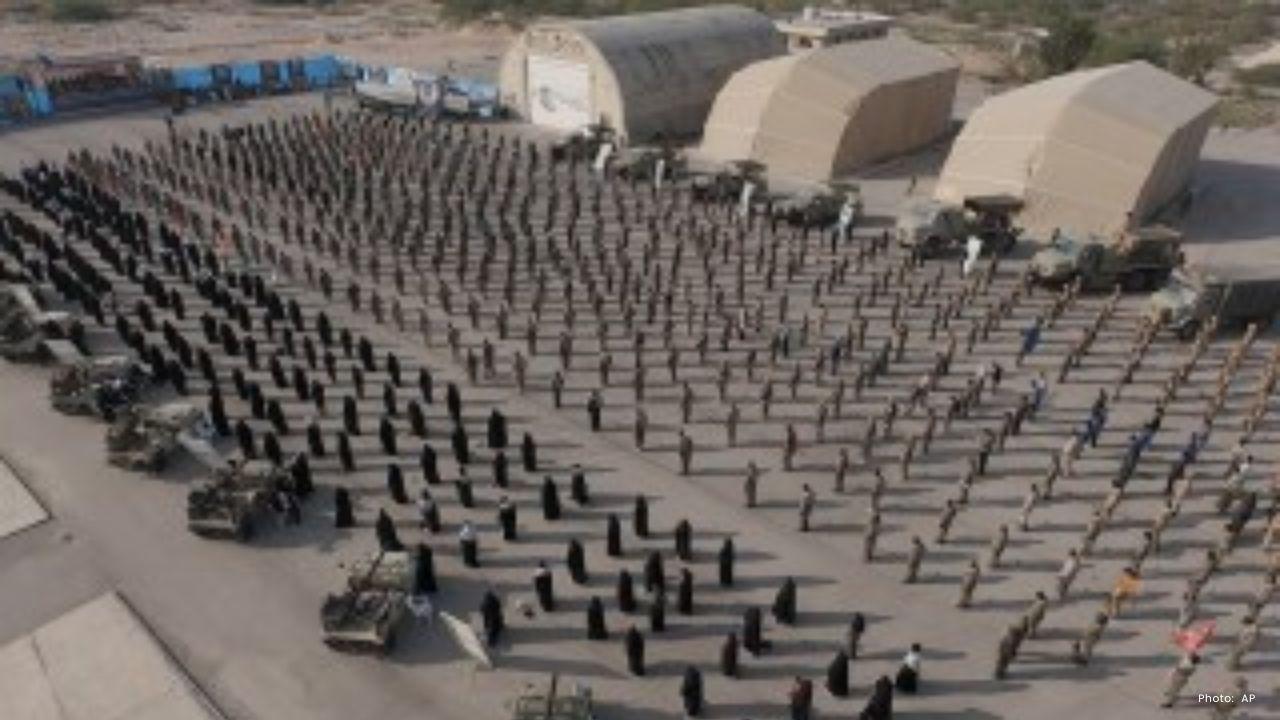
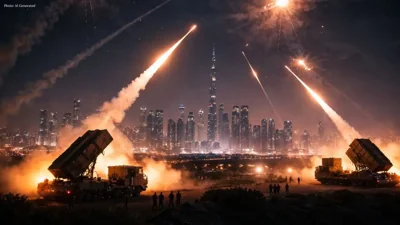
At the same time, the security environment around the talks is tense. Iran has launched new naval drills near the Strait of Hormuz and nearby waters that carry a large share of the world’s oil shipments. Military exercises in this area always draw attention because any disruption there can affect global energy prices and shipping safety.
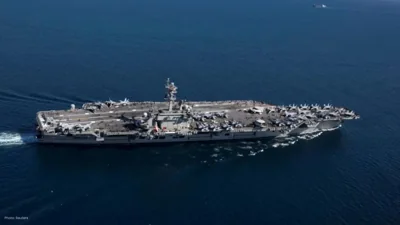
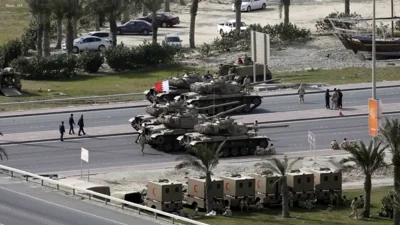
The United States has also increased its military presence in the region. President Donald Trump has ordered additional naval forces, including aircraft carriers, to move closer. Recent incidents between U.S. and Iranian forces — including drone and aircraft encounters — have added to the sense of risk. When talks and military moves happen at the same time, pressure rises on negotiators to avoid mistakes.
The core dispute remains unchanged. Washington wants strict limits that would block Iran from ever building a nuclear weapon. Iran says its nuclear program is for peaceful use, such as energy and research, but it has enriched uranium close to weapons-grade levels in the past. Inspectors have said they cannot fully verify Iran’s stockpile since earlier cooperation was reduced after regional fighting last year.
Iranian officials say they are ready to discuss nuclear limits if sanctions are reduced. Sanctions have damaged Iran’s economy, lowered oil income, and raised living costs. For Tehran, sanctions relief is not a side issue — it is the main reward it wants from any agreement. The U.S. position is tougher, with demands that enrichment be heavily restricted or stopped.
Regional players are also watching closely. Israel has warned that any weak deal could increase long-term danger. Gulf states fear both a nuclear-armed Iran and a new war. European countries prefer a monitored agreement over military escalation. That mix of interests makes the Geneva channel important, even if progress is slow.
Diplomacy in nuclear disputes is rarely quick. Agreements depend on technical checks, legal language, and inspection rules, not just political promises. The meeting between Iran and the UN nuclear agency chief suggests that technical groundwork is being rebuilt. Without that foundation, no political deal can last.
The coming round of US–Iran talks will test whether both sides are ready to trade limits for relief and monitoring for trust. The risks are high, but so is the value of even small progress. In nuclear diplomacy, steady steps often matter more than dramatic announcements.




Starbucks Engages Boyu Capital for Major Chinese Expansion
Starbucks teams up with Boyu Capital, selling a majority stake to boost growth and adapt to the Chin

Three Individuals Charged in Massive Meth Trafficking Case in Malaysia
In Malaysia, a married couple and another suspect are charged with trafficking 510kg of meth, facing

Singapore Police Revisit Geylang Murder Scene with Suspect
In Geylang, police return a murder suspect to the scene of a crime involving the fatal stabbing of a

Mattel Revives Masters of the Universe Action Figures Ahead of Film Launch
Mattel is reintroducing Masters of the Universe figures in line with its upcoming film, tapping into

China Executes 11 Members of Criminal Clan Linked to Myanmar Scam
China has executed 11 criminals associated with the Ming family, known for major scams and human tra