Post by : Sami Jeet
Turkish desserts are celebrated for their vibrant flavors and syrupy sweetness, deeply rooted in a rich heritage that dates back to the Ottoman Empire. These delicacies are not mere treats; they embody cultural traditions, often enjoyed during significant occasions and family gatherings. This guide sheds light on the most popular Turkish sweets—Baklava, Kunefe, and Lokum—exploring their ingredients, flavors, textures, price points, and the traditional contexts in which they are served, offering invaluable insights for travelers and culinary enthusiasts.
Predominantly made from nuts, dairy, filo pastry, and sweetened with syrup infused with floral notes like rose and orange blossom, Turkish desserts diverge from Western styles that often emphasize buttercream and chocolate. The focus here is on texture and aroma, with most desserts receiving syrup rather than sugar within the dough, creating a strikingly glossy appearance. Typically, these desserts are served in small portions due to their rich flavors.
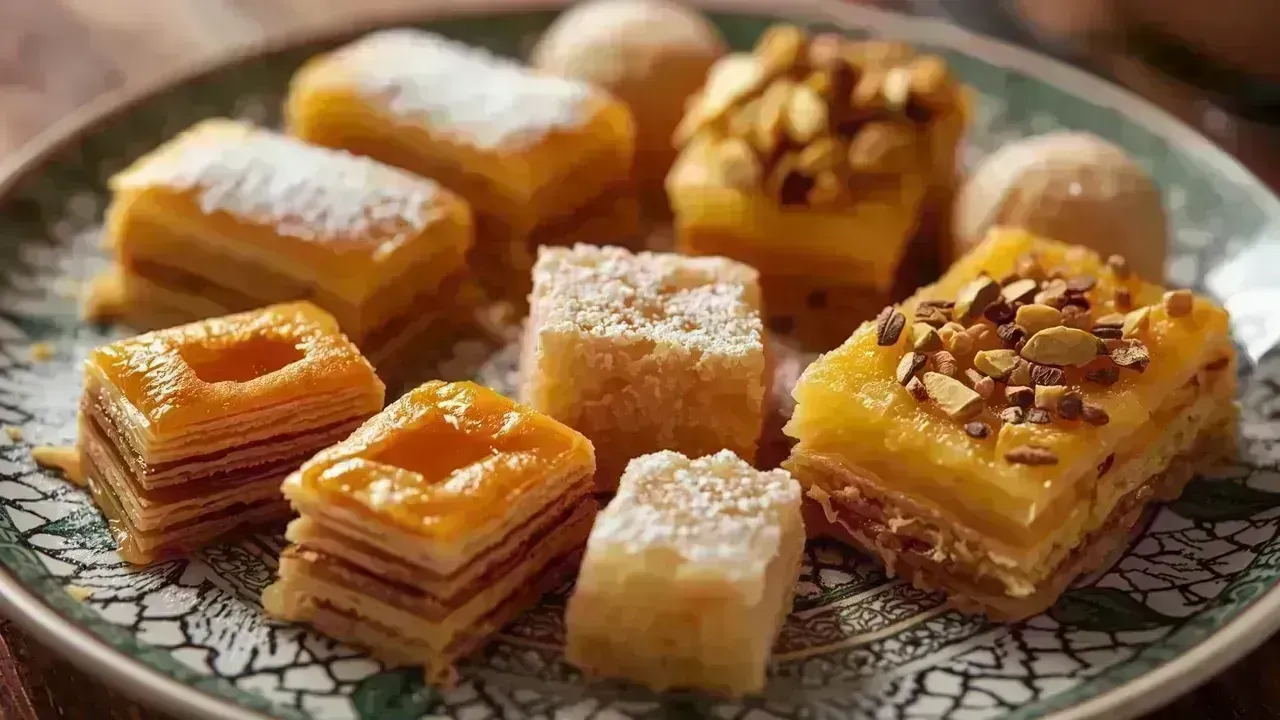
Baklava stands as the quintessential Turkish dessert, a hallmark of Ottoman culinary mastery. Constructed from numerous layers of ultra-thin filo pastry brushed with butter and packed with finely chopped nuts, it's bathed in sugar syrup post-baking.
While pistachios from Gaziantep are the traditional choice, walnuts and hazelnuts are commonly used as well. High-quality baklava boasts a crisp exterior, soft inside, and a balanced flavor enhanced by a hint of lemon in the syrup.
It’s served either cut into diamond or square shapes at room temperature, enjoyed after meals and during festivities, paired abundantly with Turkish tea or black coffee to balance its sweetness.
Classic pistachio baklava takes center stage, while walnut variations often appear in cozy bakeries. Şöbiyet features a luscious cream-filled twist, while cold baklava, served chilled and drizzled with milk-based syrup and cocoa, offers a refreshing alternative.
Differing greatly from baklava, Kunefe is a warm and indulgent dessert composed of shredded filo dough layered with unsalted cheese, baked until golden, and lightly syrup-soaked.
Typically served warm to retain the cheese’s delightful stretchiness, Kunefe is often topped with crushed pistachios for added texture and visual appeal.
Balancing sweet, salty, and creamy flavors, the crispy outside and gooey cheese center make it a must-try dessert. Eaten fresh, particularly after dinner, Kunefe is especially cherished in southern Turkey and is often enjoyed in groups due to its richness.
Set apart from most sweets, Kunefe isn’t overtly sweet because of the cheese’s savory notes, making it attractive even for those who typically shy away from sugary desserts. Due to its hearty nature, smaller servings are recommended.
Lokum, or Turkish delight, is cherished for its soft, chewy texture, crafted from sugar, starch, and flavorful essences. Typically cut into bite-sized cubes, lokum is often dusted with powdered sugar or coconut flakes.
Offering a plethora of flavors—from traditional rose and lemon to modern pistachio and chocolate—lokum serves as a lighter complement to baklava or kunefe. It's usually paired with Turkish coffee or tea and makes for a popular gift due to its decorative packaging.
High-quality lokum melts effortlessly in the mouth without being overly sticky or sweet.
Often presented to guests as a gesture of hospitality, lokum is enjoyed during casual visits, tea times, and religious celebrations. Unlike baklava and kunefe, lokum can be indulged in more frequently in smaller servings.
While baklava presents crisp, nutty, and syrup-rich layers, kunefe delivers a crunchy exterior encasing a creamy filling, served hot with a delicate sweetness. Lokum is characterized by its soft, chewy nature and aromatic, gentle sweetness. Each dessert offers a unique experience: baklava embodies intensity, kunefe provides indulgence, and lokum exudes subtlety.
Among the trio, baklava is the sweetest, followed by kunefe, which contains a moderate sweetness enhanced by its cheese. Lokum, on the other hand, offers a mild sweetness suitable for those with a preference for lighter confections.
Baklava is reasonably priced and readily available in bakeries and patisseries. Kunefe, however, may command a higher price due to fresh preparation and cheese content. Lokum typically rounds out the trio as the most budget-friendly option, available by weight in specialty stores and markets.
Begin your Turkish dessert adventure with pistachio baklava to truly appreciate traditional sweet culture. Kunefe is perfect for those who savor hot, cheese-driven sweets, while lokum is ideal for pairing with tea or gifting.
Opting for baklava from low-quality vendors often leads to overly sweet, greasy results. Taking kunefe to-go may sacrifice quality, and selecting lokum infused with artificial flavors may lead to disappointment for newcomers.
Turkish desserts encapsulate a rich culinary tradition rooted in balance, craftsmanship, and generosity. Baklava encapsulates rich tradition, kunefe brings warmth and indulgence, while lokum showcases elegance and simplicity. A deep understanding of these desserts allows travelers and food enthusiasts to appreciate Turkish cuisine in a manner that transcends the palate, making every bite a cultural journey.
This article serves informational purposes only. The ingredients and preparation methods may differ by region and pastry shops.










Anticipated Dates for UAE Eid Al Adha 2026 Unveiled by Astronomical Experts
Experts predict Eid Al Adha 2026 in the UAE to start on May 27, prompting early holiday planning amo

DAE Achieves Remarkable Growth in Q1 2026 With Record Revenue
Dubai Aerospace Enterprise announces impressive financial results for Q1 2026, reflecting a surge in

Price Increase for Sony PS5 in Southeast Asia Effective May 1
Sony announces a price increase for the PS5 across Southeast Asia starting May 1, 2026, impacting ga

Potential ‘Super El Niño’ in 2026: Understanding the Climate Risks
Could a Super El Niño emerge in 2026? Discover its implications and potential global climate impacts

Global Energy Crisis Intensifies: Markets React to Oil Supply Challenges
Markets are on edge as oil disruptions escalate, influencing prices and economic stability. Explore

Must-See Tourist Spots in London You Can't Overlook
Explore London's essential attractions, from royal landmarks to vibrant markets, ensuring an unforge




