Post by : Sami Jeet
Sushi stands as one of Japan's most iconic dishes, yet many outside the country find it challenging to navigate the varieties they encounter. Contrary to popular belief, sushi is not merely raw fish; it encompasses a wide range of preparations that feature vinegared rice accompanied by seafood, vegetables, or other toppings. Familiarizing yourself with the major types of sushi enhances your dining experience, allowing you to order with confidence and appreciate the craft involved. This guide will clarify the distinctions between Nigiri, Maki, Sashimi, Uramaki, and Temaki, detailing their unique characteristics and the moments they shine.
At its core, sushi is characterized by seasoned rice rather than raw fish. This rice is combined with vinegar, sugar, and salt to produce a subtly tangy foundation. While some sushi varieties include rice, others—like sashimi—are often grouped alongside sushi but lack it. A successful sushi creation hinges on the harmonious blend of rice, toppings, texture, and freshness.
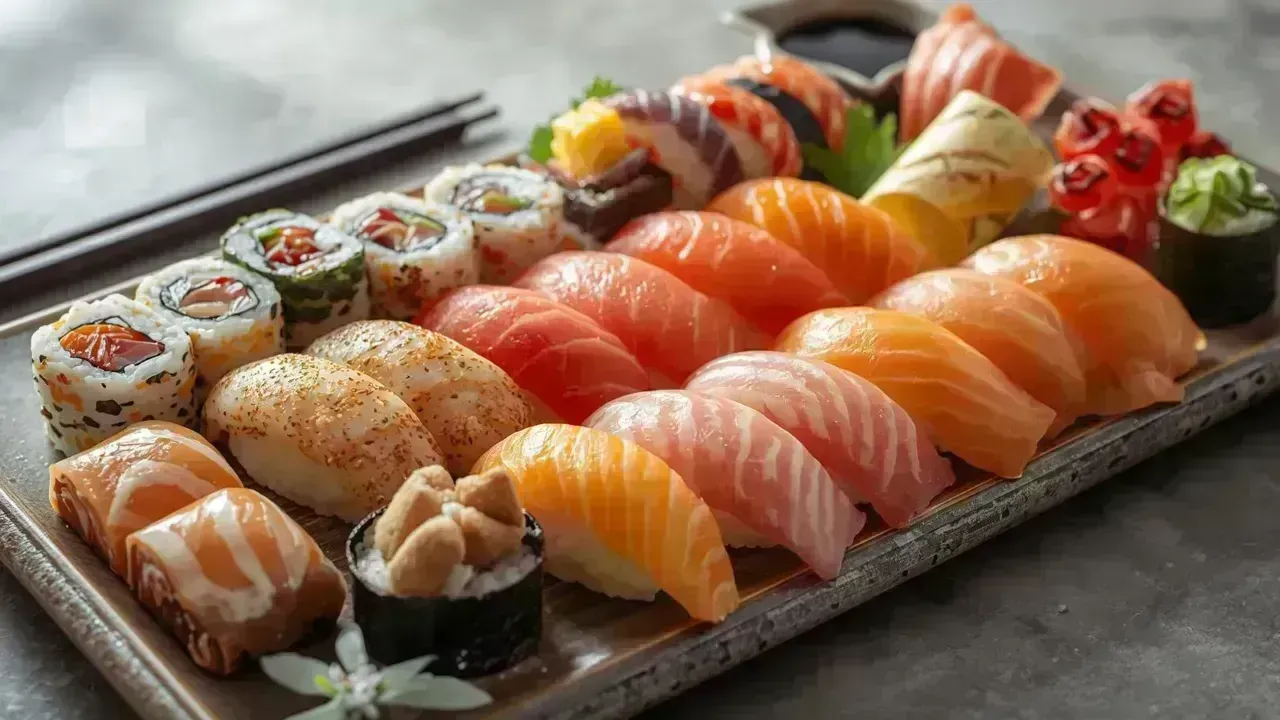
Nigiri is one of the most classic and cherished forms of sushi.
A small hand-formed oval of sushi rice forms the base, topped with a slice of fish or seafood. The topping can be raw, lightly cooked, or cured.
Typical toppings comprise tuna, salmon, shrimp, eel, sea bream, and scallops.
Nigiri emphasizes simplicity and balance, showcasing the fish's flavor without distraction.
Typically eaten in one bite, it’s gently dipped fish-side down into soy sauce to prevent the rice from soaking.
This style is perfect for sushi newcomers seeking a pure, traditional experience.
Maki signifies rolled sushi wrapped with seaweed.
It is created by spreading rice over nori, adding fillings, and rolling it to form a cylinder that is sliced into manageable pieces.
Maki rolls can feature fish, vegetables, or a mix of both.
Popular varieties include cucumber rolls, tuna rolls, salmon rolls, and avocado rolls.
Maki is well-received outside Japan due to its ease of eating and familiar presentation.
This type is ideal for sharing and favors balanced flavors over a sole focus on fish.
Sashimi appears frequently on sushi menus but is technically distinct, lacking rice.
It comprises thinly sliced raw fish or seafood served on its own.
Common sashimi selections feature tuna, salmon, yellowtail, octopus, and scallops.
The focus lies solely on freshness, texture, and skilled knife work.
Diners typically enjoy sashimi with soy sauce and a dash of wasabi.
This option caters to those who savor clean, authentic seafood flavors and top-quality fish.
Uramaki, often referred to as inside-out sushi.
In this variety, rice envelops the filling while the seaweed encases everything inside.
The rice exterior is frequently adorned with sesame seeds, fish roe, or other toppings.
Notable examples include California rolls and dragon rolls.
Uramaki gained popularity outside Japan, particularly in the United States, to make sushi more appealing.
This type is suited for beginners drawn to milder flavors or cooked components.
Temaki is hand-rolled sushi shaped like a cone.
It involves wrapping seaweed around rice and fillings to create an ice-cream-cone form.
Temaki is intended for immediate consumption, usually by hand.
Fillings generally consist of fish, vegetables, rice, and sauces.
Since it’s freshly made and not cut, temaki offers a casual, interactive dining experience.
This style is favored during relaxed meals and sushi gatherings.
Nigiri emphasizes the balance between rice and fish.
Maki highlights variety and combinations.
Sashimi underscores the quality of the fish.
Uramaki introduces creative layering of flavors.
Temaki epitomizes freshness and casual dining.
Each type serves a unique purpose based on individual preferences and the dining context.
Beginners typically find maki and uramaki the easiest options to start with due to their mildness and familiarity, often featuring cooked or vegetable fillings.
Nigiri is perfect for those ready to embrace traditional sushi.
Sashimi suits adventurous seafood enthusiasts.
Temaki lends itself well to informal dining, allowing exploration of various fillings.
Sushi can be enjoyed with either hands or chopsticks.
Nigiri should be dipped in soy sauce fish-side down.
Wasabi is traditionally placed by the chef; excessive amounts may overwhelm the fish.
Sushi is best enjoyed shortly after serving.
Ginger cleanses the palate between different types and shouldn't be placed atop sushi.
In many parts of the world, sushi menus heavily feature rolls adorned with sauces and toppings.
In contrast, traditional Japanese sushi favors simplicity and prioritizes fish flavors.
Both interpretations are valid, but recognizing the distinctions sets appropriate expectations when dining internationally.
Sushi represents a rich and varied cuisine, transcending a single dish. Nigiri symbolizes tradition, maki offers balance, sashimi reveals purity, uramaki fosters creativity, and temaki enhances casual enjoyment. Recognizing these nuances enables you to order with assurance and savor sushi as intended.
This article is intended for informational purposes only. Sushi preparation and styles may vary by region and restaurant. Always consider dietary restrictions and food safety when consuming raw seafood.










Anticipated Dates for UAE Eid Al Adha 2026 Unveiled by Astronomical Experts
Experts predict Eid Al Adha 2026 in the UAE to start on May 27, prompting early holiday planning amo

DAE Achieves Remarkable Growth in Q1 2026 With Record Revenue
Dubai Aerospace Enterprise announces impressive financial results for Q1 2026, reflecting a surge in

Price Increase for Sony PS5 in Southeast Asia Effective May 1
Sony announces a price increase for the PS5 across Southeast Asia starting May 1, 2026, impacting ga

Potential ‘Super El Niño’ in 2026: Understanding the Climate Risks
Could a Super El Niño emerge in 2026? Discover its implications and potential global climate impacts

Global Energy Crisis Intensifies: Markets React to Oil Supply Challenges
Markets are on edge as oil disruptions escalate, influencing prices and economic stability. Explore

Must-See Tourist Spots in London You Can't Overlook
Explore London's essential attractions, from royal landmarks to vibrant markets, ensuring an unforge




