Post by : Mikhael Nasser
In India, cinema is deeply woven into the cultural fabric of everyday life. From the glitzy multiplexes of urban settings to traditional single-screen theaters in smaller communities, the cinema experience connects families, friends, and film aficionados alike. Yet, many are unaware where India’s inaugural cinema hall was established, and how that pivotal venue transformed the viewing habits of Indians.
The story behind India’s first cinema hall represents more than just film-making; it symbolizes innovation, technological advancement, and the rise of a novel entertainment form. This article is crafted in straightforward and accessible English, making it easy for readers of all ages to engage with the subject matter.
The arrival of cinema in India dates back to the late 19th century, coinciding with its inception in Europe. At this period, moving images were a groundbreaking concept. Audiences were captivated by the novelty of seeing images shift across a screen, creating an exhilarating experience.
The first film screening in India took place in 1896 at Watson's Hotel in Bombay (now Mumbai), featuring short films produced by the Lumière Brothers from France. Though spectators were astounded, cinema was perceived as a fleeting attraction rather than a standard entertainment medium.
For many subsequent years, films were displayed in makeshift venues such as tents and theatres that were designed for stage performances, lacking dedicated cinema facilities.
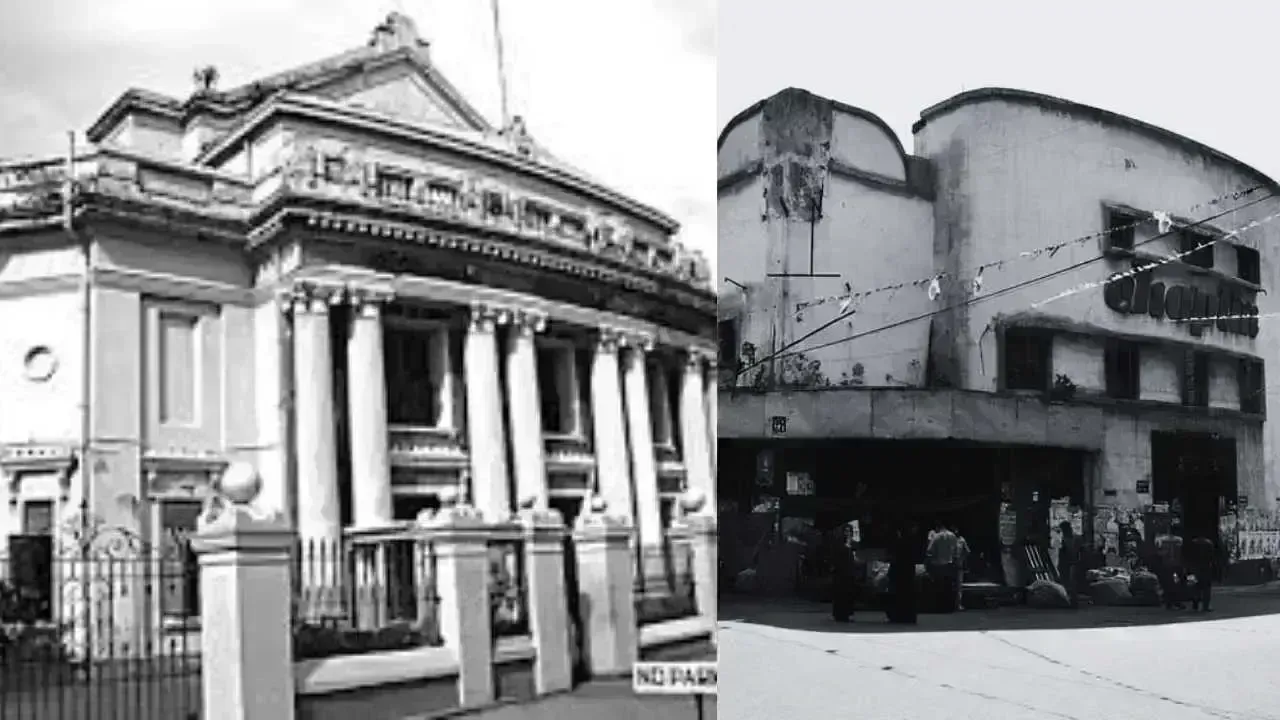
A significant shift occurred in 1907 when India's first permanent cinema hall, the Elphinstone Picture Palace in Calcutta (now Kolkata), opened its doors. Later, it became famously known as Chaplin Cinema.
Founded by Jamshedji Framji Madan, a prominent theater owner and film distributor, this cinema hall arose from his belief in cinema's promising future in India and the necessity for a consistent venue to showcase films.
Elphinstone Picture Palace stood out, as it was exclusively dedicated to cinema, unlike its predecessors. This landmark establishment hence marked the real onset of India’s cinema culture.
During the early 20th century, Calcutta served as the capital of British India, flourishing as a pivotal cultural and social epicenter. With its established theatre scene and an audience receptive to novel ideas, Calcutta was primed for India's first cinema hall.
Eager film enthusiasts from diverse backgrounds flocked to Elphinstone Picture Palace. In time, visiting the cinema evolved into a cherished pastime and a communal experience.
Initially, the films showcased at Elphinstone Picture Palace (later Chaplin Cinema) were silent and brief. Lacking dialogue, recorded sound, or musical scores, the viewing experience was often accompanied by live music played within the hall to enhance audience engagement.
These early films predominantly originated from Europe, with local productions making their debut later on. However, even in these formative years, the screenings sparked a growing interest in cinema among Indian viewers.
The establishment of India’s first dedicated cinema hall revolutionized the entertainment landscape. Previously, the populace relied on theatre plays, folk performances, and traditional shows. Cinema introduced a new method of storytelling through moving images.
With the increasing fascination for films, numerous cinemas emerged across various cities. Indian filmmakers began crafting stories in their native languages, gradually integrating cinema into the broader cultural narrative of the country.
The evolution from silent films to talkies, and from black-and-white to color visuals, paved the way for a vast cinematic journey initiated at that singular venue in Calcutta.
Elphinstone Picture Palace (later Chaplin Cinema) heralded the era of single-screen theatres in India. For countless years, such venues served as the primary spots for communal movie-watching experiences, where families and friends shared in the joy of cinema together.
As time progressed and technology advanced, multiplex theatres emerged. While the design and comfort of cinema venues transformed over the years, the thrill of experiencing a film on the big screen remains constant.
Understanding the story of India’s first cinema hall grants us insight into the genesis of Indian cinema and the tremendous effort that forged this industry. It highlights how monumental shifts often originate from small yet crucial beginnings.
What initiated in 1907 with the Elphinstone Picture Palace (subsequently known as Chaplin Cinema) ultimately evolved into one of the largest film industries globally.
India’s pioneering cinema hall, Elphinstone Picture Palace (later Chaplin Cinema), established in 1907 in Calcutta, signified the birth of cinema as a fundamental entertainment medium in the country. It transitioned films from a transient novelty to a staple of leisure.
As audiences now enjoy movies in contemporary theaters, it serves us well to remember the humble origins that sparked this journey—one cinema hall, one screen, and an ambitious vision to present stories in an innovative format.
This article serves as a general informational resource and is intended for educational purposes. The historical information provided is based on available records and publications, which may differ slightly across sources. Though the text attempts to convey accurate details, readers are advised to consult verified history books, scholarly studies, museum resources, or official cultural documents for a more thorough exploration. The publisher does not claim complete authority on historical interpretations and is not liable for any updates, revisions, or alternative views that may surface post-publication.










Price Increase for Sony PS5 in Southeast Asia Effective May 1
Sony announces a price increase for the PS5 across Southeast Asia starting May 1, 2026, impacting ga

Potential ‘Super El Niño’ in 2026: Understanding the Climate Risks
Could a Super El Niño emerge in 2026? Discover its implications and potential global climate impacts

Global Energy Crisis Intensifies: Markets React to Oil Supply Challenges
Markets are on edge as oil disruptions escalate, influencing prices and economic stability. Explore

Must-See Tourist Spots in London You Can't Overlook
Explore London's essential attractions, from royal landmarks to vibrant markets, ensuring an unforge

Ultimate Guide to Snagging Cheap Flights in 2026
Unlock the secrets to booking affordable flights in 2026 with insightful tips and strategies tailore

The Impact of Consistent Small Investments on Wealth Building
Discover how investing small amounts regularly can positively transform your financial future over t