Post by : Sami Jeet
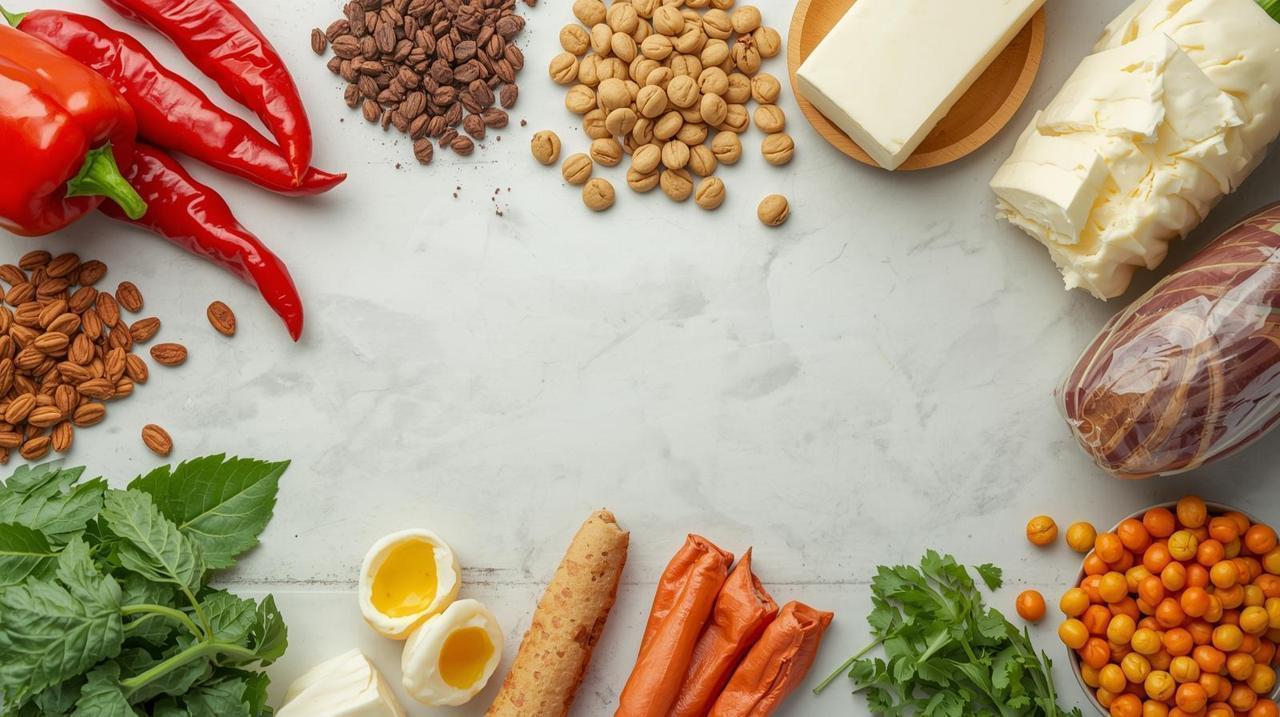
While digestive discomfort is often attributed to heavy meals or stress, many overlook a key culprit: hidden foods affecting gut health without obvious symptoms. These ingredients lurk in everyday meals—often in products labeled as "healthy." They can lead to bloating, gas, cramps, and irregular bowel habits. Recognizing these hidden dangers is essential for maintaining good digestive health. This guide highlights common culprits and suggests alternatives that don't compromise on flavor or nutrition.
Modern processed foods often contain additives, preservatives, and emulsifiers that can complicate digestion. Fresh foods can also harbor natural compounds that affect sensitive stomachs. Many of these triggers may not cause immediate discomfort but can lead to gradual inflammation and chronic digestive issues. Understanding your body's reactions is crucial for identifying these hidden triggers.
Lactose intolerance often conjures thoughts of milk or ice cream, but it can also be found in various processed foods.
Baked goods
Cream soups
Protein shakes
Breakfast cereals
Salad dressings
Flavored chips
Even “non-dairy” items can include milk derivatives like casein or whey.
Individuals with low lactase levels struggle to digest lactose, which leads to uncomfortable fermentation, bloating, and potentially diarrhea.
Avoiding bread and pasta doesn’t guarantee you’re gluten-free.
Soy sauce
Gravy and sauces
Energy bars
Processed meats
Seasoning blends
Imitation meats
Gluten can cause inflammation, malabsorption, cramps, and chronic bloating, making even minimal intake troublesome for sensitive individuals.
Although fructose is a natural sugar, excessive amounts—especially from processed sources—can be tough to digest.
Fruit juices
Honey
Agave syrup
Certain fruits like apples, pears, and mangoes
Some energy drinks
Protein bars
Fructose malabsorption can lead to gas, bloating, and diarrhea, challenging the idea that all fruits are safe for the gut.
A group of fermentable carbohydrates known as FODMAPs can disrupt digestion for many.
Onions and garlic in sauces
Cauliflower in health bowls
Chickpeas and lentils in meals
Sugar alcohols in gum and mints
Wheat-based thickeners in soups
High-FODMAP items can ferment quickly, generating gas and discomfort, particularly in those with IBS.
Numerous low-calorie and “sugar-free” products contain artificial sweeteners unsuitable for digestion.
Sorbitol
Xylitol
Aspartame
Sucralose
Acesulfame-K
These sweeteners can alter gut bacteria, causing upset stomach, bloating, and potential long-term digestion issues.
While fiber is essential, excessive intake—especially from processed sources—can lead to discomfort.
Granola bars
Fiber cereals
Smoothies with raw greens
Fiber supplements such as inulin or chicory root
Signs include hard stools, bloating, gas, and irregular bowel movements, particularly with rapid fiber additions.
Rich, high-fat meals can significantly delay digestion, especially with hidden oils or additives.
Creamy sauces
Pastries
Fried snacks
Salad dressings
Processed cheese
Fat can slow food passage, leading to nausea, heaviness, or delayed gastric emptying.
Caffeine and carbonation might be overlooked but can significantly influence digestion.
Energy drinks
Flavored sodas
Iced teas
Pre-workout beverages
Caffeine encourages stomach acid production while carbonation heightens pressure, often causing gas and heartburn.
A methodical approach aids in pinpointing individual irritants.
Start a food diary to track symptoms.
Eliminate suspected foods gradually.
Reintroduce them in small quantities later.
Identify consistent troublemakers.
This process brings understanding for those with sensitive digestive systems.
Recognizing triggers is just part of the equation—finding replacements is essential for comfort.
Lactose-free alternatives instead of regular dairy.
Gluten-free soy sauce in place of traditional types.
Low-fructose fruits like berries instead of apples.
Stevia instead of artificial sweeteners.
Opt for cooked over raw vegetables.
Use olive oil in place of heavy sauces.
These simple swaps can enhance digestion without disrupting your lifestyle.
Digestive discomfort often stems not from large meals but from less obvious irritants. Understanding these hidden ingredients and their effects allows for meaningful dietary adjustments. By identifying and omitting trigger foods, you can achieve better gut health and well-being. Mindful eating and increased awareness can greatly lessen daily digestive issues.
This article serves as a general guide regarding common digestive triggers and is not a substitute for professional medical advice. Digestive responses can differ among individuals; consult a healthcare professional for severe or persistent symptoms.










Anticipated Dates for UAE Eid Al Adha 2026 Unveiled by Astronomical Experts
Experts predict Eid Al Adha 2026 in the UAE to start on May 27, prompting early holiday planning amo

DAE Achieves Remarkable Growth in Q1 2026 With Record Revenue
Dubai Aerospace Enterprise announces impressive financial results for Q1 2026, reflecting a surge in

Price Increase for Sony PS5 in Southeast Asia Effective May 1
Sony announces a price increase for the PS5 across Southeast Asia starting May 1, 2026, impacting ga

Potential ‘Super El Niño’ in 2026: Understanding the Climate Risks
Could a Super El Niño emerge in 2026? Discover its implications and potential global climate impacts

Global Energy Crisis Intensifies: Markets React to Oil Supply Challenges
Markets are on edge as oil disruptions escalate, influencing prices and economic stability. Explore

Must-See Tourist Spots in London You Can't Overlook
Explore London's essential attractions, from royal landmarks to vibrant markets, ensuring an unforge




