Post by : Saif Nasser
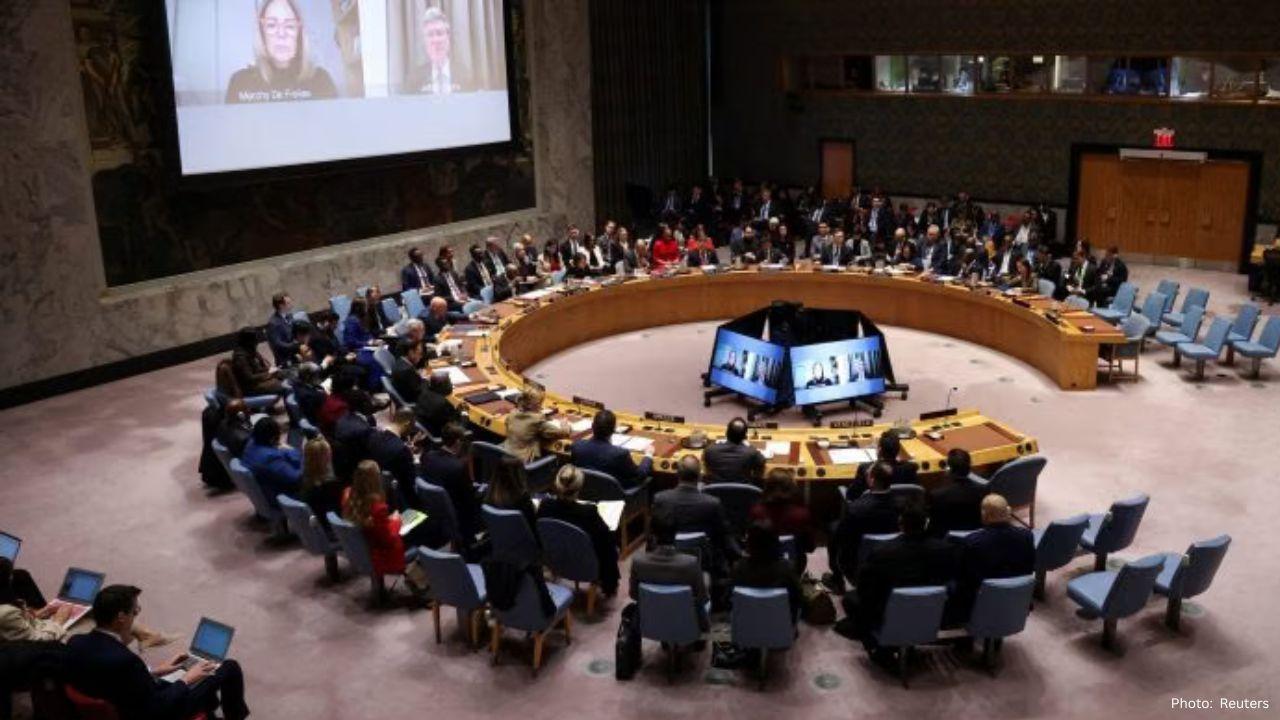
The United Nations has voiced serious concerns over the capture of Venezuelan President Nicolas Maduro by U.S. forces, warning that the action could increase instability in the country and the region. UN Secretary-General Antonio Guterres addressed the Security Council on Monday, highlighting legal and diplomatic concerns.
The Security Council met at U.N. headquarters in New York just hours before Maduro was scheduled to appear in a Manhattan federal court. Maduro faces charges related to drug trafficking and narco-terrorism, which he has denied.
“I am deeply concerned about the possible intensification of instability in the country, the potential impact on the region, and the precedent it may set for international relations,” Guterres said, as delivered by U.N. political affairs chief Rosemary DiCarlo.
The United States described its action as a “surgical law enforcement operation” aimed at two fugitives wanted by American authorities. U.S. Ambassador to the U.N. Mike Waltz emphasized that the U.S. has no intention of occupying Venezuela. “There is no war against Venezuela or its people,” he said, adding that the operation is intended to prevent adversaries from controlling the country’s vast energy reserves.
Venezuela strongly condemned the U.S. action. U.N. Ambassador Samuel Moncada called the capture “an illegitimate armed attack lacking any legal justification,” insisting that Venezuela’s institutions remain functional and its territorial integrity intact.
Guterres called on all Venezuelan actors to engage in “inclusive and democratic dialogue” to find a peaceful solution. He said the U.N. is ready to support any efforts aimed at helping Venezuelans move forward peacefully.
International law was a central issue at the Security Council meeting. Guterres noted that the U.S. operation did not appear to follow rules set out in the U.N. Charter, which prohibits the use of force against the political independence or territorial integrity of any nation. While the U.S. cited the right of self-defense under Article 51 of the Charter, other nations disagreed.
Russia, China, and Colombia condemned the U.S. operation as illegal. Russian Ambassador Vassily Nebenzia criticized countries that demand adherence to international law only selectively. China compared the operation to past conflicts, warning that military interventions often worsen crises. Colombia, which requested the council meeting, also described the U.S. action as a violation of Venezuela’s sovereignty.
Despite international criticism, the United States cannot be held accountable by the U.N. Security Council due to its veto power, which allows it to block any formal action against its operations.
The situation underscores the challenges of enforcing international law in a world where major powers wield significant influence. The U.N. is urging restraint, dialogue, and a focus on peace to avoid further destabilizing Venezuela and the broader Latin American region.

The Impact of Consistent Small Investments on Wealth Building
Discover how investing small amounts regularly can positively transform your financial future over t

7.5 Magnitude Earthquake Strikes Japan, Tsunami Alerts Issued
Japan experiences a hefty 7.5 quake, prompting tsunami alerts and safety measures. Stay updated on a
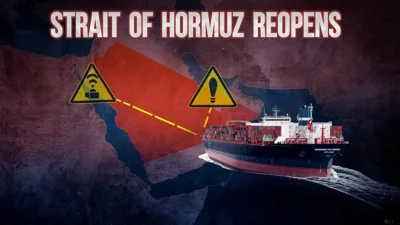
Reopening of the Strait of Hormuz: New Regulations to Impact Global Trade
Iran reopens the strategic Strait of Hormuz with new regulations affecting oil transport and global

Top 10 Must-See Attractions in NYC for First-Time Explorers
Discover essential experiences for first-time visitors to NYC, including attractions, culture, and i

Starbucks Engages Boyu Capital for Major Chinese Expansion
Starbucks teams up with Boyu Capital, selling a majority stake to boost growth and adapt to the Chin
Three Individuals Charged in Massive Meth Trafficking Case in Malaysia
In Malaysia, a married couple and another suspect are charged with trafficking 510kg of meth, facing