Post by : Priya
Photo:Reuters
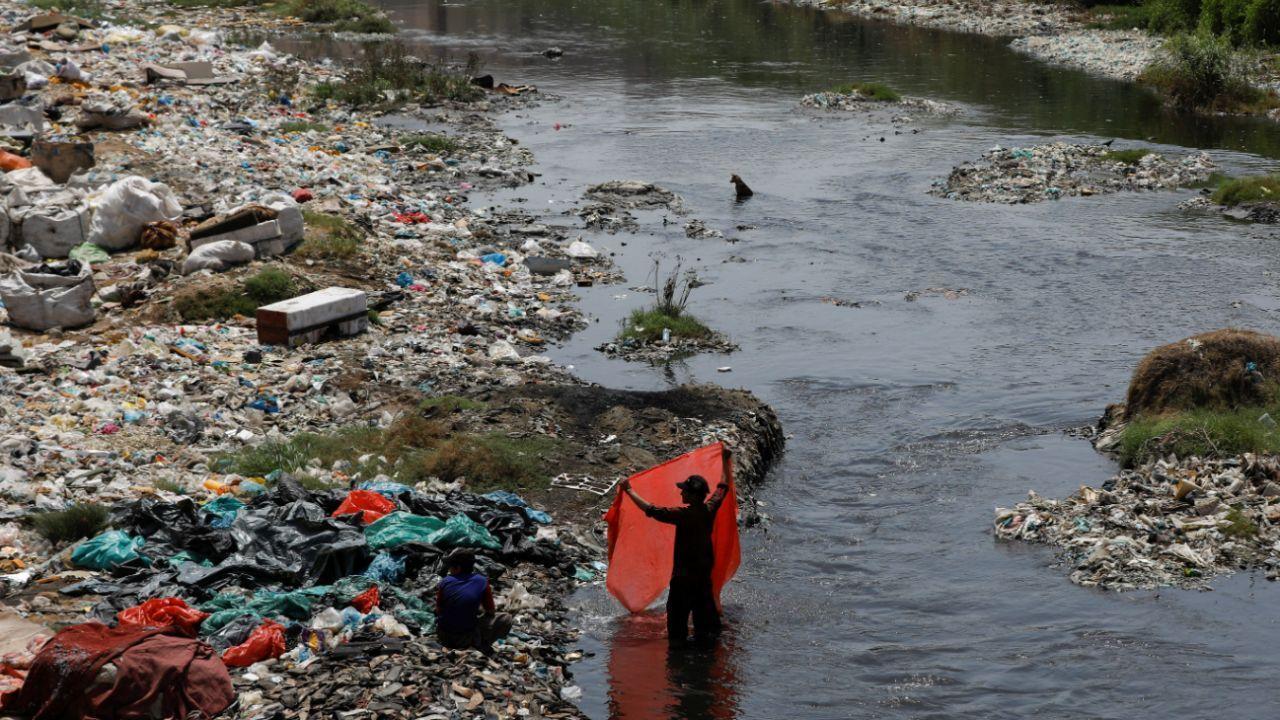
In recent decades, plastic has become one of the most widely used materials in the world. From packaging and household items to electronics and construction, plastic is everywhere. But while it offers convenience and durability, plastic waste has become a growing crisis—polluting oceans, choking rivers, harming wildlife, and threatening human health. In response to this urgent issue, the United Nations has launched the Global Plastic Pollution Tracker, a powerful new platform that aims to help countries monitor, manage, and ultimately reduce plastic waste around the globe.
This tracker is not just a digital tool—it represents a major step forward in the global fight against pollution and environmental degradation. By providing accurate and transparent data, it enables both governments and communities to take informed action to protect the planet.
Understanding the Plastic Pollution Problem
Plastic pollution has reached alarming levels. Each year, more than 400 million tonnes of plastic are produced worldwide. Out of that, around 300 million tonnes become waste, and only 9% is recycled. A large portion of the rest ends up in landfills, water bodies, and even in the food chain. Tiny plastic particles, called microplastics, have now been found in drinking water, seafood, and even the air we breathe.
What makes plastic particularly dangerous is its long-lasting nature. Most plastic items do not decompose for hundreds of years. A plastic bottle discarded today might still be intact centuries from now. This has created what scientists call a “plastic footprint,” a long-lasting impact on the environment that continues to grow with each passing year.
The UN’s New Tool: A Game-Changer in Environmental Monitoring
The Global Plastic Pollution Tracker is designed to tackle this issue by giving countries the ability to accurately measure their plastic waste. Developed by the United Nations Environment Programme (UNEP) in collaboration with international partners, the tracker collects, organizes, and displays data related to plastic use and pollution across the world.
It allows users to:
This system is built to be transparent and user-friendly, featuring maps, charts, and graphs that make complex data easy to understand. Governments, researchers, journalists, and the general public can all access the platform freely.
Why Accurate Data Matters
One of the biggest challenges in tackling plastic pollution is the lack of reliable data. In many countries, plastic waste is either underreported or not tracked at all. This makes it difficult to design policies, enforce laws, or measure progress. Without clear numbers, efforts to reduce plastic pollution often remain vague or ineffective.
The UN’s new tracker addresses this gap by gathering verified data from national governments, scientific institutions, environmental NGOs, and industry sources. With this data, countries can set better goals, create smarter laws, and take stronger actions to reduce their plastic footprint.
For example, a country that discovers a high amount of plastic waste from food packaging might introduce new rules on packaging design, support reusable containers, or create incentives for recycling.
Part of a Bigger Plan: A Legally Binding Global Agreement
The launch of the tracker comes at a time when the world is preparing for a historic global treaty on plastic pollution. In 2022, over 175 countries agreed to create an international legally binding agreement to end plastic pollution by 2040. Negotiations are ongoing, and the final treaty is expected by the end of 2027.
The tracker will play a vital role in helping countries meet their obligations under this treaty. It will serve as a way to measure progress, report results, and hold both governments and industries accountable. Countries will no longer be able to hide behind weak data or false claims. Instead, they will need to show real action and results.
Preventing Greenwashing and Promoting Real Change
Another important benefit of the tracker is its potential to stop “greenwashing.” This term refers to companies or organizations that pretend to be environmentally friendly without making real changes. With clear and open data, it becomes easier to separate honest efforts from false marketing.
Inger Andersen, the Executive Director of UNEP, said during the launch event,
“We cannot manage what we cannot measure. This tool gives every country the power to understand its plastic footprint and act wisely.”
By exposing the truth behind plastic production and waste, the tracker encourages real solutions, such as improved recycling systems, reduced plastic use, better product design, and stronger enforcement of environmental laws.
Global Cooperation: A Shared Responsibility
The plastic pollution crisis cannot be solved by one country alone. Plastics move across borders, through trade, rivers, oceans, and even in the air. That is why global cooperation is essential.
Many developing nations, particularly in Asia and Africa, struggle with waste management infrastructure. At the same time, developed nations often export their plastic waste to poorer countries, creating an unfair burden. The new tracker will help identify these patterns and push for more just and balanced solutions.
It will also support global initiatives like the Clean Seas Campaign, the Beat Plastic Pollution movement, and the Circular Economy model, which aims to redesign products and processes to reduce waste and reuse materials.
Public Awareness and Local Impact
While the tracker is a tool for policymakers, it also serves as a powerful educational platform. Citizens, students, journalists, and community leaders can use the data to:





Mattel Revives Masters of the Universe Action Figures Ahead of Film Launch
Mattel is reintroducing Masters of the Universe figures in line with its upcoming film, tapping into

China Executes 11 Members of Criminal Clan Linked to Myanmar Scam
China has executed 11 criminals associated with the Ming family, known for major scams and human tra

US Issues Alarm to Iran as Military Forces Deploy in Gulf Region
With a significant military presence in the Gulf, Trump urges Iran to negotiate a nuclear deal or fa

Copper Prices Reach Unprecedented Highs Amid Geopolitical Turmoil
Copper prices soar to all-time highs as geopolitical tensions and a weakening dollar boost investor

New Zealand Secures First Win Against India, Triumph by 50 Runs
New Zealand won the 4th T20I against India by 50 runs in Vizag. Despite Dube's impressive 65, India