Post by : Bianca Suleiman
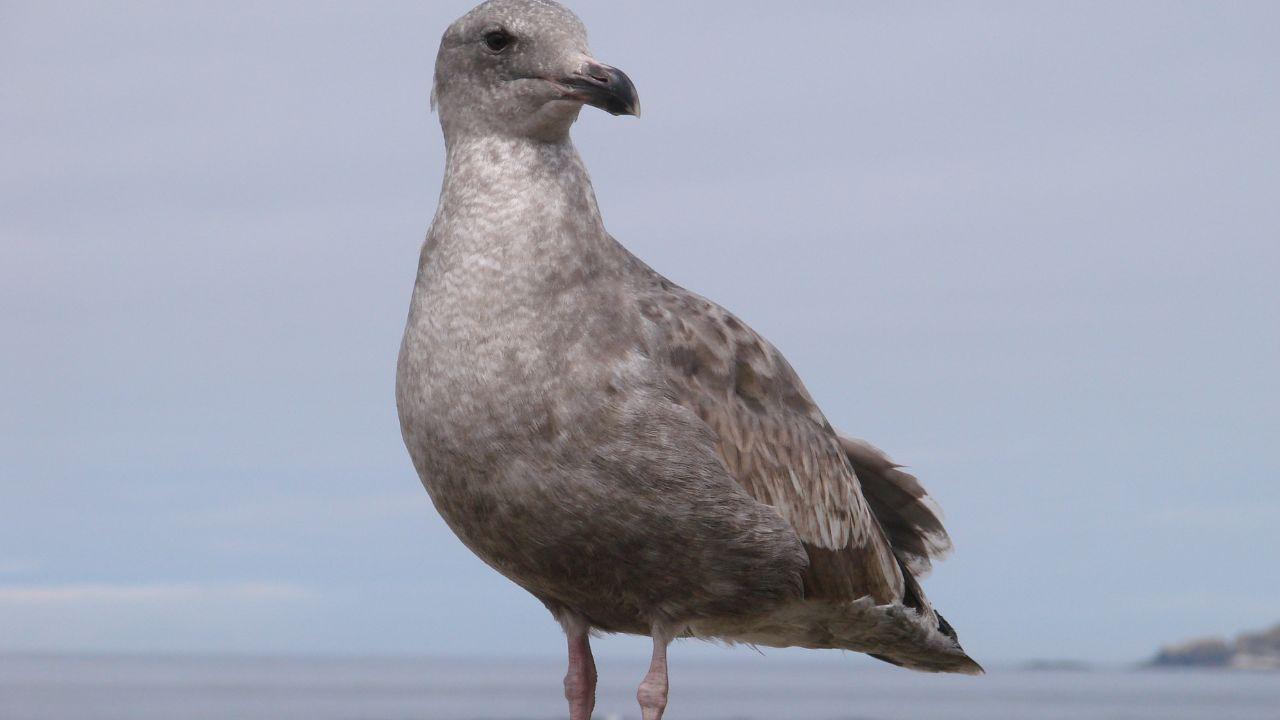
The Environment and Protected Areas Authority (EPAA) in Sharjah has completed an important and first-ever study in the Middle East. This study focuses on how seabirds are eating harmful things like plastic, oil, and trash from the sea. It was shared during World Environment Day to raise awareness about pollution in oceans and how it is hurting birds and marine life.
Hana Saif Al Suwaidi, the Chairperson of EPAA, said this research follows the vision of His Highness Sheikh Dr. Sultan bin Mohammed Al Qasimi. She said, “This unique scientific study shows our strong promise to find out and record serious environmental problems.” The study will help in creating better rules and policies to protect the environment. It also builds a good database to track changes over time.
In this study, EPAA looked at 478 dead marine and coastal birds from 17 different species. These birds were found along the Arabian Gulf and Gulf of Oman. The results showed that 12.8% of these birds had swallowed some kind of pollution. About 11.1% had eaten trash, and 1.7% had oil or tar balls in their bodies. Most of the trash was plastic. Black-headed gulls were the birds that swallowed the most plastic.
In a closer look at 20 of the birds, scientists checked for microplastics—tiny pieces of plastic. They found that 77.8% of these tiny plastics were microfibers. This shows that laundry wastewater, where clothes are washed, might be one of the main reasons for plastic in the sea. Young large white-headed gulls were more likely to eat waste than older ones. This shows that young birds are more at risk.
Al Suwaidi said that World Environment Day is the right time to think about how we take care of nature. She added that EPAA is working to spread awareness, do more research, and help people learn how to protect nature while still allowing development in Sharjah.
One of the main parts of EPAA’s plan is the Sharjah Strandings Response Program. This program focuses on helping stranded marine animals, studying the sea, rescuing wildlife, and teaching people about nature. It helps protect the sea and the different living things in it.
Al Suwaidi also said that EPAA is working with experts from around the world. Their goal is to make Sharjah a center for environmental studies. These efforts will help reduce pollution in the sea and make people more aware of how to protect birds, fish, and other marine life.
The study also found oil balls and fishing hooks, which are very dangerous to birds. These findings are very important for keeping an eye on how pollution will affect seabirds in the future. Seabirds play a big role in keeping the sea and coasts healthy.
This special research proves that Sharjah is taking a strong lead in protecting the sea and marine life. On World Environment Day, the message is clear: we all need to work together to stop pollution and save our planet’s wildlife.









DAE Achieves Remarkable Growth in Q1 2026 With Record Revenue
Dubai Aerospace Enterprise announces impressive financial results for Q1 2026, reflecting a surge in

Price Increase for Sony PS5 in Southeast Asia Effective May 1
Sony announces a price increase for the PS5 across Southeast Asia starting May 1, 2026, impacting ga

Potential ‘Super El Niño’ in 2026: Understanding the Climate Risks
Could a Super El Niño emerge in 2026? Discover its implications and potential global climate impacts

Global Energy Crisis Intensifies: Markets React to Oil Supply Challenges
Markets are on edge as oil disruptions escalate, influencing prices and economic stability. Explore

Must-See Tourist Spots in London You Can't Overlook
Explore London's essential attractions, from royal landmarks to vibrant markets, ensuring an unforge

Ultimate Guide to Snagging Cheap Flights in 2026
Unlock the secrets to booking affordable flights in 2026 with insightful tips and strategies tailore




