Post by : Saif Nasser
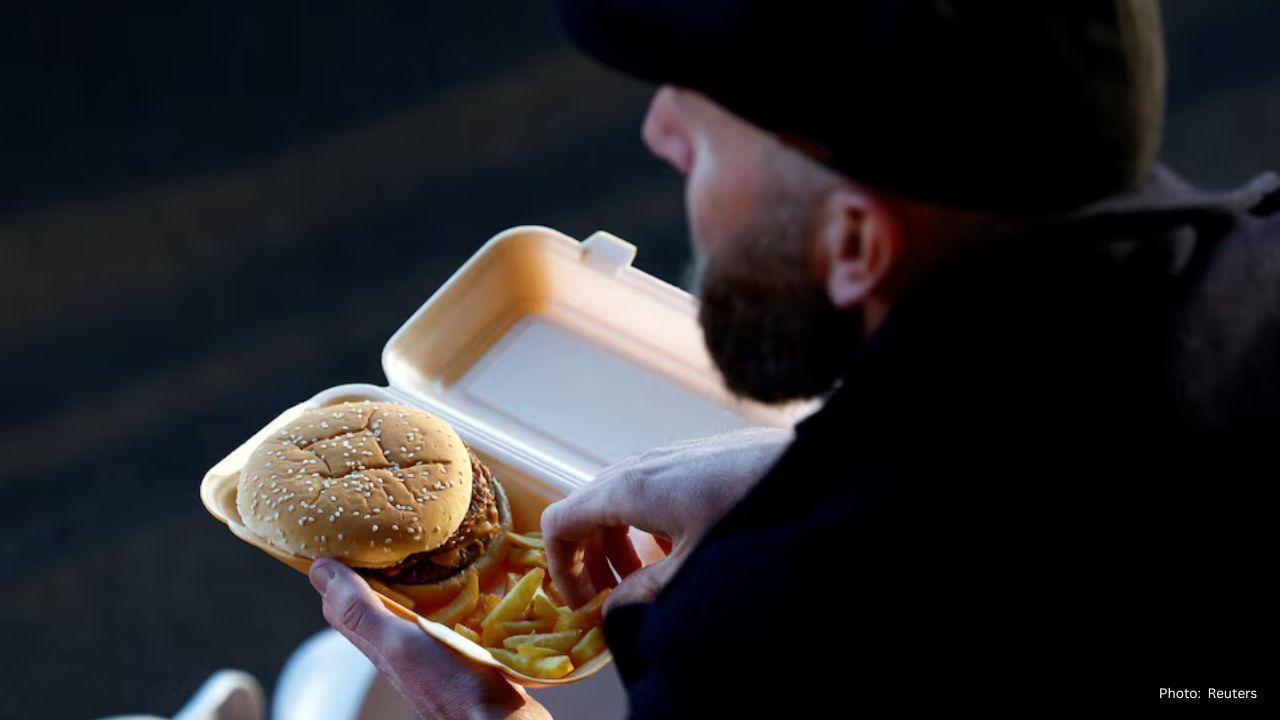
In Britain, a major change is taking place in sports and entertainment stadiums. The classic beef burger, loved by many fans, is slowly disappearing from the menus. Instead, venues like Brentford’s Gtech Stadium are introducing wild venison burgers in an effort to reduce carbon emissions and support a more sustainable future.
According to hospitality partner Levy UK, this new menu choice is being introduced in more than 20 stadiums and event venues across the United Kingdom and Ireland. The company says the switch from beef to wild venison can reduce emissions by up to 85%, saving nearly 1,182 tonnes of carbon dioxide equivalent every year. This is a huge step toward greener food practices in large public spaces.
James Beale, Head of Sustainability and Community at Brentford Football Club, explained the reason behind the decision. He said beef is one of the highest-impact foods when it comes to carbon emissions. By replacing beef burgers with wild venison, which produces far fewer emissions per kilogram, stadiums can make a big difference to the environment. Beale added that this change is not only eco-friendly but also practical and popular among fans.
The new wild venison burgers are served in eco-friendly packaging, with condiments made from leftover or surplus vegetables. Levy UK estimates that the amount of venison used replaces what would otherwise have been 54 tonnes of beef burgers. The switch aims to reduce waste, limit water pollution, and support biodiversity.
The wild venison option was first launched at Brentford’s stadium. Later, nearly 5,500 venison burgers were sold at Twickenham Stadium in just one month, including during the Women’s Rugby World Cup final in September. Fans seemed to enjoy the change, with many saying the venison burger was more popular than the beef burger served the previous year.
While some independent studies show different levels of carbon savings depending on how emissions are measured, the move is still widely seen as a greener choice. The UK is home to nearly two million wild deer, and with no natural predators to control their population, their meat is increasingly being used as a sustainable food source.
Levy UK says using wild venison reduces dependence on factory-farmed meat and avoids the environmental pressure of cattle farming. It also helps protect natural habitats and supports stronger biodiversity. With stadiums feeding thousands of visitors during each event, even small changes in food choices can lead to a big environmental impact.
The nationwide rollout includes major venues like The Oval cricket ground in London, The O2 arena, the National Theatre, and the National Exhibition Centre. As more venues adopt the new menu, the shift may inspire other public spaces to rethink their food options and take action to reduce emissions.
The switch from beef to venison is part of a larger global effort to make food systems more sustainable. While some fans may miss the traditional beef burger, many are embracing the new trend—finding it tasty, responsible, and better for the planet.
This change shows how even everyday items like stadium snacks can play a role in fighting climate change. If more places follow this example, it could mark a positive step toward a cleaner, greener future for everyone.










Mattel Revives Masters of the Universe Action Figures Ahead of Film Launch
Mattel is reintroducing Masters of the Universe figures in line with its upcoming film, tapping into

China Executes 11 Members of Criminal Clan Linked to Myanmar Scam
China has executed 11 criminals associated with the Ming family, known for major scams and human tra

US Issues Alarm to Iran as Military Forces Deploy in Gulf Region
With a significant military presence in the Gulf, Trump urges Iran to negotiate a nuclear deal or fa

Copper Prices Reach Unprecedented Highs Amid Geopolitical Turmoil
Copper prices soar to all-time highs as geopolitical tensions and a weakening dollar boost investor

New Zealand Secures First Win Against India, Triumph by 50 Runs
New Zealand won the 4th T20I against India by 50 runs in Vizag. Despite Dube's impressive 65, India