Post by : Priya
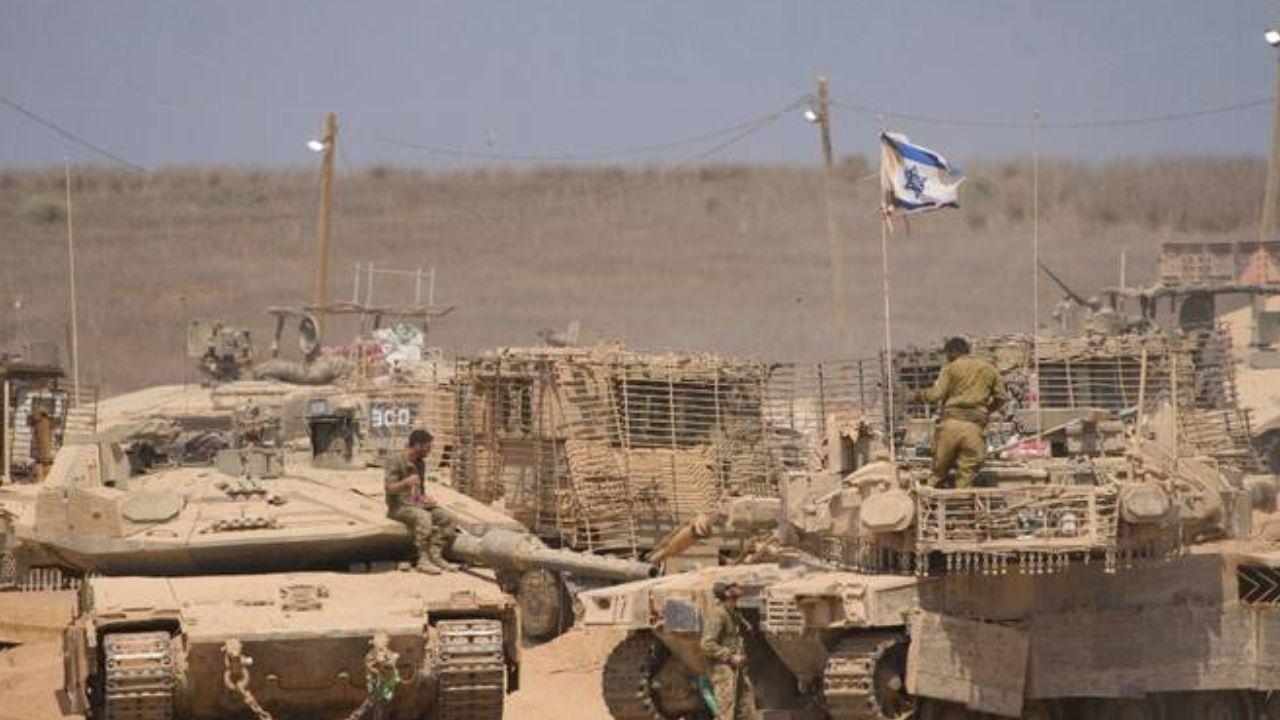
Photo:AP
British Prime Minister Keir Starmer has taken an exceptional step by recalling his cabinet during the summer holidays to address the escalating crisis in Gaza. This emergency meeting, held in late July 2025, underscores the growing urgency felt within the UK government and among international allies to find a viable pathway to peace in one of the most volatile regions of the world. The situation in Gaza, ravaged by nearly two years of conflict, has reached a tipping point, with widespread starvation and humanitarian collapse threatening millions of lives.
Gaza’s Prolonged Conflict and Worsening Humanitarian Catastrophe
The Gaza Strip has endured 22 months of intense conflict between Israeli forces and Palestinian militants, primarily Hamas. This protracted war has exacted a devastating toll, with over 59,000 lives lost and countless more displaced or injured. The humanitarian situation has deteriorated sharply due to blockades and restricted aid delivery, resulting in acute shortages of food, water, medical supplies, and shelter for Gaza’s civilian population.
International humanitarian organizations have issued dire warnings that without immediate intervention, mass starvation and a full-blown humanitarian catastrophe will unfold. Recently, local health officials reported that starvation and malnutrition have already claimed the lives of hundreds, including many children. Global leaders and aid agencies have urged swift action to deliver humanitarian relief to prevent further loss of life.
Starmer’s Emergency Cabinet Meeting: Goals and Immediate Priorities
Against this backdrop, Prime Minister Starmer convened an emergency cabinet meeting to deliberate on a comprehensive peace plan and strategies to enhance humanitarian aid delivery to Gaza. This rare recall during the parliamentary summer recess highlights the critical nature of the crisis.
At the meeting, Starmer and his ministers examined a multifaceted plan, developed in coordination with France and Germany, aimed at achieving a ceasefire and facilitating sustained humanitarian assistance. Though full details remain confidential, Starmer likened the initiative to a “coalition of the willing,” drawing parallels with international efforts to support Ukraine’s ceasefire negotiations. This indicates an ambition to build a strong, cooperative international front to tackle the Gaza crisis.
A significant part of the discussion focused on how Britain could leverage its diplomatic relationships, including with Middle Eastern countries and global powers, to foster dialogue and broker peace. Starmer emphasized the need for “practical solutions” over symbolic gestures, signaling the government’s intent to take concrete steps rather than engaging in rhetoric alone.
Political and Diplomatic Pressures Surrounding the Plan
Starmer faces mounting pressure from within his Labour Party, where over 200 members of parliament from various parties recently signed a letter urging the immediate recognition of a Palestinian state as a means to pressure Israel towards peace. This reflects a broader shift in international attitudes, exemplified by France’s recent move to recognize Palestine formally.
Former US President Donald Trump, surprisingly, offered his support after discussing the crisis with Starmer in Scotland, acknowledging "real starvation" in Gaza and pledging US help through aid distribution centers with unrestricted access. His stance marks a departure from previous US reluctance and provides Starmer with wider backing for potential policy shifts, including Palestinian recognition.
Despite this, Starmer has refrained from immediate Palestinian state recognition, advocating instead for a negotiated long-term solution that balances humanitarian needs with political realities. This pragmatic approach seeks to maintain diplomacy's delicate balance in a deeply complex conflict.
Broader International Reactions and Challenges
The Israeli government continues to reject accusations of a humanitarian crisis, while Israeli human rights organizations, including B’Tselem and Physicians for Human Rights-Israel, have controversially labeled the conflict as genocide. These claims have intensified international debate and increased scrutiny of Israel’s military campaigns.
In response to the catastrophic conditions, countries like Jordan and the United Arab Emirates have begun airdropping aid into Gaza, a method viewed skeptically by some aid agencies due to logistical and safety concerns. Meanwhile, Israel has authorized limited "humanitarian pauses" for aid delivery, which critics argue are insufficient to meet the urgent needs of Gaza’s population.
At the United Nations, the ongoing conflict has placed the two-state solution further out of reach than ever, with Secretary-General Antonio Guterres warning against actions undermining this goal. The renewed UN conference on the issue aims to reinvigorate peace talks, though the prospects remain uncertain.
Human Impact and Urgency
The human toll behind these diplomatic maneuvers is staggering. Thousands of children face starvation, malnutrition, and trauma from the ongoing conflict. Families are displaced without shelter or medical care. Health infrastructure is collapsing under relentless attacks and blockades. The international community’s capacity to alleviate suffering hinges on the success of such peace initiatives.








Anticipated Dates for UAE Eid Al Adha 2026 Unveiled by Astronomical Experts
Experts predict Eid Al Adha 2026 in the UAE to start on May 27, prompting early holiday planning amo

DAE Achieves Remarkable Growth in Q1 2026 With Record Revenue
Dubai Aerospace Enterprise announces impressive financial results for Q1 2026, reflecting a surge in

Price Increase for Sony PS5 in Southeast Asia Effective May 1
Sony announces a price increase for the PS5 across Southeast Asia starting May 1, 2026, impacting ga

Potential ‘Super El Niño’ in 2026: Understanding the Climate Risks
Could a Super El Niño emerge in 2026? Discover its implications and potential global climate impacts

Global Energy Crisis Intensifies: Markets React to Oil Supply Challenges
Markets are on edge as oil disruptions escalate, influencing prices and economic stability. Explore

Must-See Tourist Spots in London You Can't Overlook
Explore London's essential attractions, from royal landmarks to vibrant markets, ensuring an unforge




