Post by : Naveen Mittal
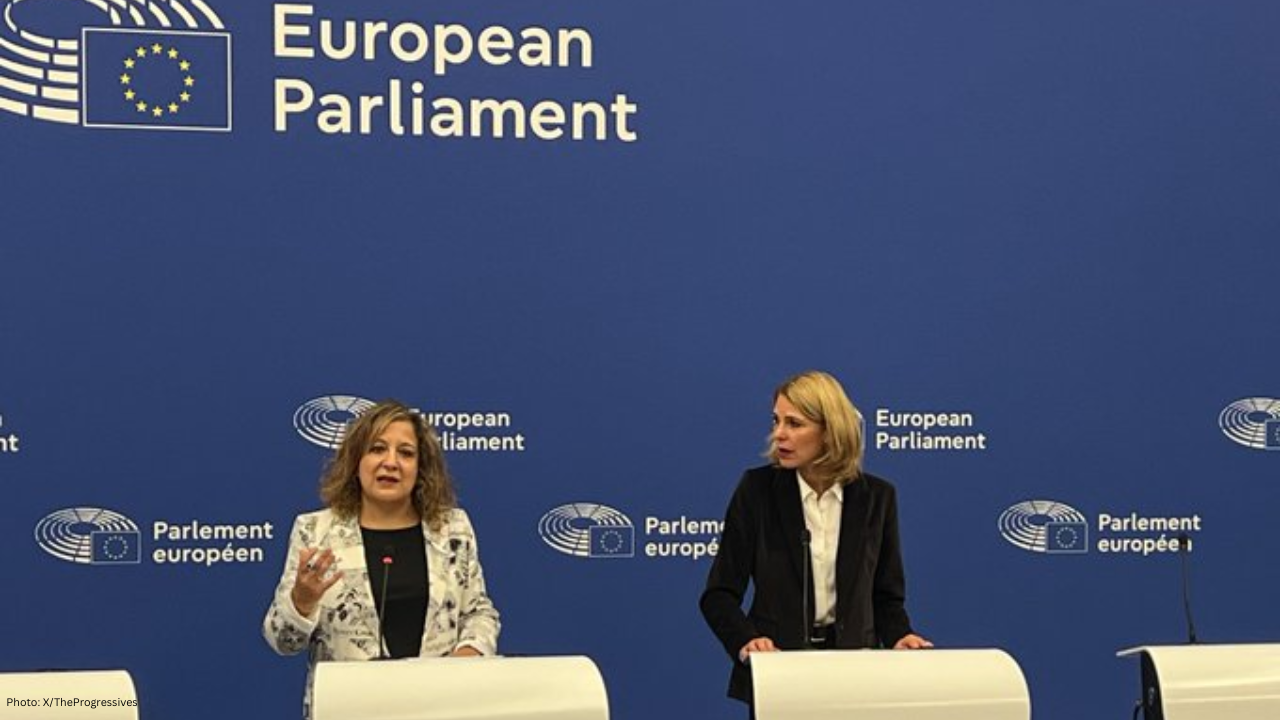
On the second anniversary of the October 7 Hamas attack, world leaders expressed a mixture of solemn mourning and renewed calls for peace. European Commission President Ursula von der Leyen honored Israeli victims and urged a ceasefire and the prompt release of hostages. In the United Kingdom, Prime Minister Keir Starmer emphasized that time does not heal the wounds of that day, reiterating that freeing captives is an immediate priority. France echoed similar themes, condemning terror and pressing for an end to bloodshed. Italy’s Giorgia Meloni went further, condemning the Hamas assault while also warning that retaliation must not breach the rules of proportionality—she supported a revived peace plan to bridge the divide.
In Israel, individuals like Hilda Weisthal recounted how October 7 still haunts everyday life. For families of hostages, the date brought renewed anguish, as 48 people remain captive. Across Gaza, citizens such as Mohammed Dib expressed that two years of war have brought nothing but loss and suffering—homes decimated, services depleted, and hope frayed. Many in both places see the anniversary less as closure and more as a reminder that the conflict remains unresolved.
The anniversary also saw renewed pressure on diplomatic fronts. Global leaders leveraged the moment to push for progress on peace initiatives, including elements of the Trump 20-point Gaza plan, which had drawn revived attention. Some governments cautioned against gestures that could inflame tensions, while others affirmed that the anniversary must not pass without moral clarity and accountability. Hamas issued statements defending its sustained resistance, framing the date as a moment of defiance as well as remembrance.
This observance is more than a commemoration—it underscores persistent grievances: a war without a clear end, hostage diplomacy still unresolved, and millions of civilians entrenched in suffering. The global reactions show the continuing fracture in consensus: some call for harsh accountability, others for restraint or diplomacy, but few believe the status quo is sustainable.
• Whether leaders translate anniversary rhetoric into tangible pressure for ceasefire and hostage release
• The reception of renewed peace proposals amid entrenched political divisions
• The trajectory of public sentiment, especially in Israel and among Palestinian communities
• Escalations or reprisals linked to anniversary symbolism or protests
• Accountability efforts: war crimes investigations, media scrutiny, and international legal measures
This article is based on verified news accounts and publicly available reporting as of October 2025. It is intended for informational purposes and does not endorse any political position. Readers are encouraged to follow multiple credible sources for ongoing developments.







Anticipated Dates for UAE Eid Al Adha 2026 Unveiled by Astronomical Experts
Experts predict Eid Al Adha 2026 in the UAE to start on May 27, prompting early holiday planning amo

DAE Achieves Remarkable Growth in Q1 2026 With Record Revenue
Dubai Aerospace Enterprise announces impressive financial results for Q1 2026, reflecting a surge in

Price Increase for Sony PS5 in Southeast Asia Effective May 1
Sony announces a price increase for the PS5 across Southeast Asia starting May 1, 2026, impacting ga

Potential ‘Super El Niño’ in 2026: Understanding the Climate Risks
Could a Super El Niño emerge in 2026? Discover its implications and potential global climate impacts

Global Energy Crisis Intensifies: Markets React to Oil Supply Challenges
Markets are on edge as oil disruptions escalate, influencing prices and economic stability. Explore

Must-See Tourist Spots in London You Can't Overlook
Explore London's essential attractions, from royal landmarks to vibrant markets, ensuring an unforge




