Post by : Monika
Photo: Reuters
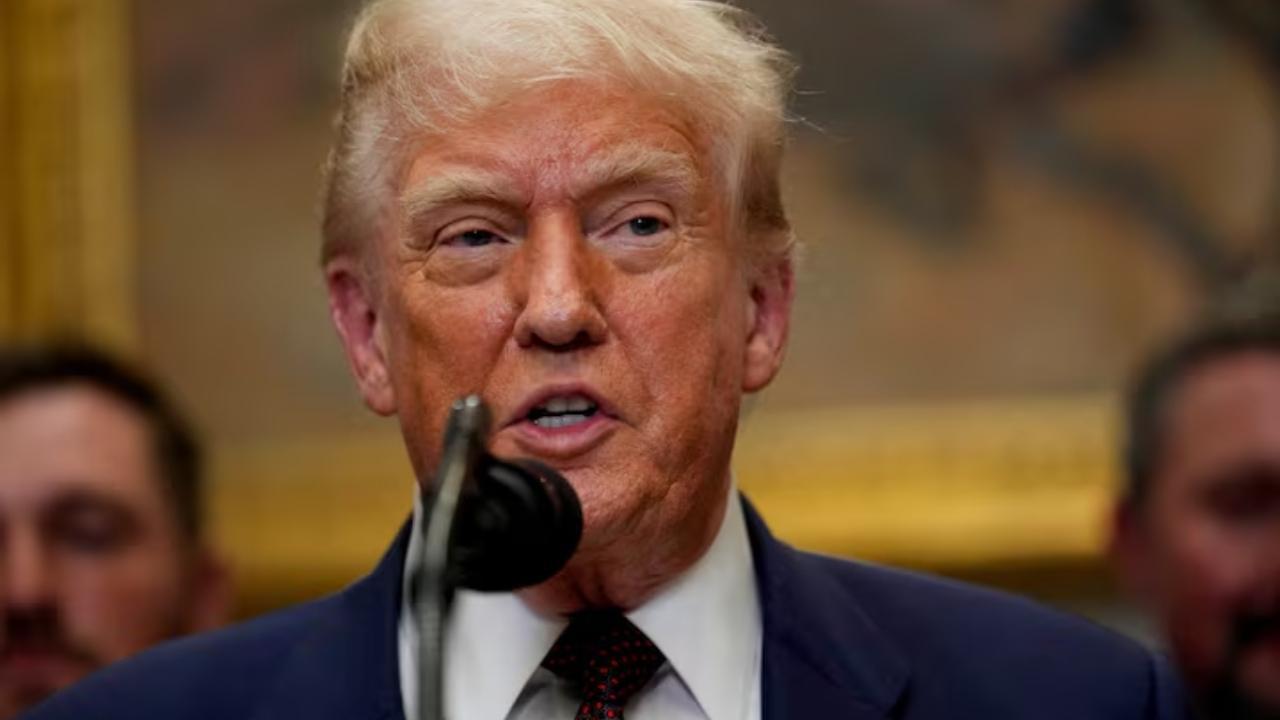
On August 1, 2025, it was revealed that former U.S. President Donald Trump’s team is working behind the scenes to expand the Abraham Accords. The plan involves including Azerbaijan and several countries from Central Asia.
This effort is not about formal diplomatic recognition, as many of these nations already have ties with Israel. Instead, it’s about building deeper economic, military, and strategic connections.
The Abraham Accords began in 2020 and 2021, during Trump’s presidency. These agreements were a major moment in Middle Eastern diplomacy. They allowed Israel to establish full relations with four Muslim-majority countries:
the United Arab Emirates, Bahrain, Morocco, and Sudan. The accords were seen as a breakthrough, ending years of conflict and opening new doors for trade and cooperation.
What Are the Abraham Accords?
The Abraham Accords were created to help normalize relationships between Israel and Arab or Muslim-majority countries. Before these agreements, many of these nations had no formal ties with Israel due to long-standing conflicts, especially related to the situation in Palestine.
Trump’s administration worked hard to bring these countries together. The accords were supported by the United States, which acted as a middleman. By helping Israel and its neighbors build peaceful relations, the U.S. hoped to improve stability and cooperation in the region.
Why Focus on Azerbaijan and Central Asia?
Now, Trump’s team is turning its attention to countries like Azerbaijan, Kazakhstan, Uzbekistan, Turkmenistan, Kyrgyzstan, and Tajikistan. Unlike the earlier signatories, these nations already have diplomatic ties with Israel. The goal is not about making new recognition deals, but about creating stronger partnerships.
Adding these countries to the Abraham Accords could help increase U.S. and Israeli influence in an important part of the world. Central Asia sits between Russia, Iran, and China, making it a valuable strategic region. These countries also have large energy reserves, such as oil and natural gas, which are important for global markets.
Peace with Armenia is a Key Factor
One major issue is the long-running conflict between Azerbaijan and Armenia. These two nations have fought for years over the Nagorno-Karabakh region. Thousands of people have been killed or forced to leave their homes. Even after fighting ended in 2020, tensions remained high.
Trump’s team believes that Azerbaijan must first sign a peace deal with Armenia before it can officially join the Abraham Accords. Reports say that efforts are being made, and a deal could be reached in the coming weeks or months. If that happens, Azerbaijan may become the next country added to the Abraham Accords.
Progress in Talks
The strongest talks so far have been with Azerbaijan. Trump’s special envoy, Steve Witkoff, traveled to Baku, the capital of Azerbaijan, in March 2025. There, he met with President Ilham Aliyev. In the following months, Witkoff’s aide, Aryeh Lightstone, made more visits to continue discussions.
Azerbaijan has also started talking with nearby Central Asian countries to see if they are interested in joining the Abraham Accords. Talks with places like Kazakhstan are still in the early stages, but officials say the interest is real.
Even though most of these countries already have embassies or diplomatic offices in Israel, joining the Abraham Accords would be a strong sign of deeper cooperation. It would also send a message to countries like Iran that their neighbors are moving closer to Israel and the United States.
A Strategic Opportunity for Trump
This effort is being seen as a way for Trump to show progress in foreign policy. While getting Saudi Arabia to join the Abraham Accords has been very difficult, bringing in countries like Azerbaijan could be seen as a smaller, but still important, success.
Many Muslim-majority countries remain hesitant to build ties with Israel without progress on the Israeli-Palestinian conflict. Saudi Arabia, for example, wants to see Israel recognize an independent Palestinian state before taking such a step. Because of the ongoing war in Gaza and rising Palestinian deaths, broad normalization has slowed. In that context, working with Central Asian countries is seen as more possible right now.
Trump's team hopes this move will help maintain momentum for the Abraham Accords, even if bigger players like Saudi Arabia remain on the sidelines for now.
Challenges Still Ahead
There are still many difficulties to overcome. The peace deal between Azerbaijan and Armenia has not yet been finalized. Decades of fighting and deep mistrust have made progress slow. Both countries regained independence after the fall of the Soviet Union in 1991, but their relationship has been tense ever since.
The United States also has to be careful not to upset Armenia, which has strong relationships with Western countries. If the U.S. is seen as favoring Azerbaijan too much, it could harm those ties.
Another problem is that not all Central Asian countries may want to join. Some leaders may be concerned about angering their own people or damaging relations with Russia or Iran. The decision to join the Abraham Accords will be a sensitive one for each country.
Even so, U.S. officials say that this expansion would not change the existing Abraham Accords. Instead, it would add a new group of countries under the same spirit of peace and cooperation.
What Could This Mean for the Region?
However, the move may also raise tensions. Iran, for example, strongly opposes any closer ties between Israel and nearby countries. If more nations join the Abraham Accords, Iran may see it as a threat and respond in ways that increase tension in the region.
What Happens Next?
So far, no government has made an official statement about this plan. But sources close to the talks say that the U.S. State Department sees it as a key goal. If the peace deal between Armenia and Azerbaijan is completed soon, Azerbaijan could officially join the Abraham Accords in the near future.
After that, the Trump team may turn its attention to other countries in Central Asia. While talks with Kazakhstan, Uzbekistan, and others have just begun, it’s possible that they may follow Azerbaijan’s lead if the timing and conditions are right.
This approach shows a shift in strategy. Instead of waiting for countries like Saudi Arabia, Trump’s team is focusing on smaller steps with countries where the foundation already exists. These moves are symbolic, but they could still reshape how countries in the region work together.
Looking Forward
This effort reflects a changing idea of peace and diplomacy. Rather than big dramatic deals, leaders are now focusing on building quiet partnerships. If successful, the expansion of the Abraham Accords could help bring more stability to a complex and sometimes tense part of the world.
For now, everything depends on the peace talks between Armenia and Azerbaijan. If that hurdle is crossed, the door may open for a new chapter in regional diplomacy—one that includes nations often left out of larger Middle East peace efforts.









Mattel Revives Masters of the Universe Action Figures Ahead of Film Launch
Mattel is reintroducing Masters of the Universe figures in line with its upcoming film, tapping into

China Executes 11 Members of Criminal Clan Linked to Myanmar Scam
China has executed 11 criminals associated with the Ming family, known for major scams and human tra

US Issues Alarm to Iran as Military Forces Deploy in Gulf Region
With a significant military presence in the Gulf, Trump urges Iran to negotiate a nuclear deal or fa

Copper Prices Reach Unprecedented Highs Amid Geopolitical Turmoil
Copper prices soar to all-time highs as geopolitical tensions and a weakening dollar boost investor

New Zealand Secures First Win Against India, Triumph by 50 Runs
New Zealand won the 4th T20I against India by 50 runs in Vizag. Despite Dube's impressive 65, India