Post by : Saif Nasser
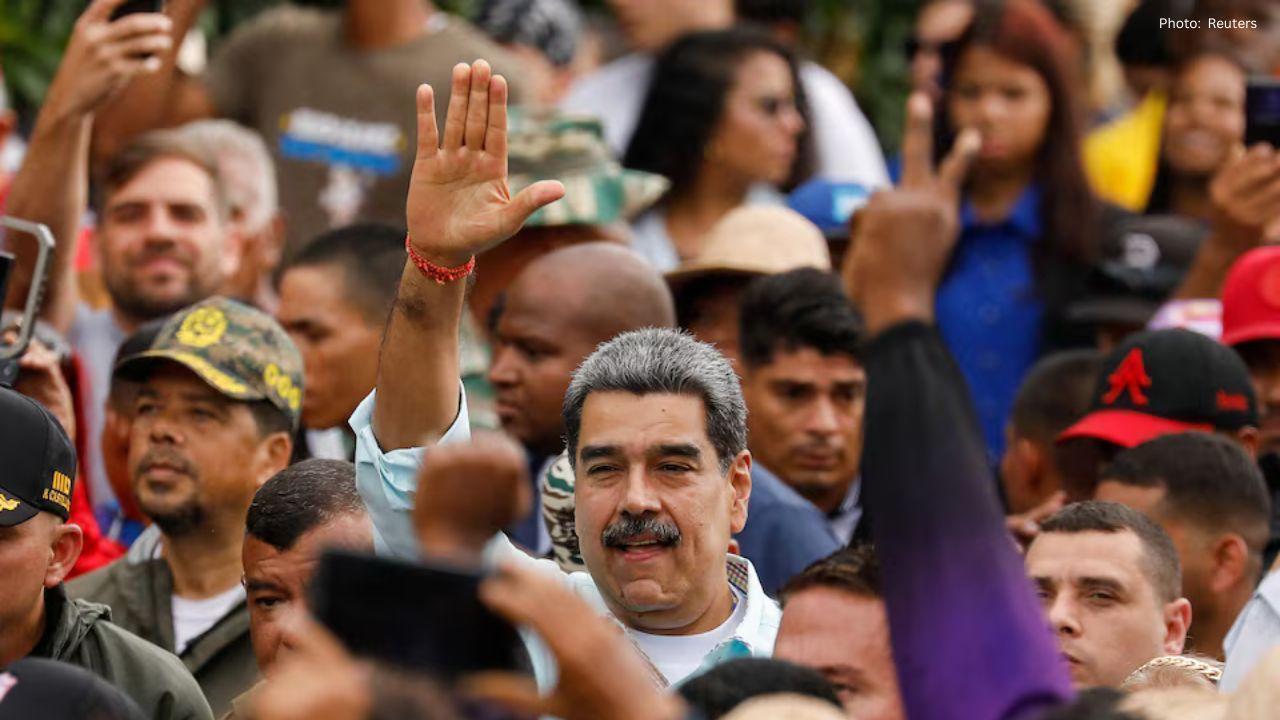
U.S. President Donald Trump has sent a clear and tough message to Venezuelan President Nicolas Maduro, saying it would be “smart” for him to leave power. Trump made the remarks while speaking to reporters in Palm Beach, Florida, as the United States continues to increase political, military, and economic pressure on Venezuela.
Trump said the decision to step down was up to Maduro, but warned that continuing to challenge the United States could bring serious consequences. While Trump did not openly say that removing Maduro is the main goal of U.S. policy, his comments showed that Washington believes Venezuela would be better off without its current leader.
In recent weeks, the United States has sharply increased its military presence around Venezuela. U.S. forces have carried out more than two dozen strikes on vessels suspected of drug trafficking in the Pacific Ocean and the Caribbean Sea near the country. American officials say these actions are aimed at stopping illegal drugs from reaching the United States. Reports indicate that at least 100 people have been killed during these operations, raising concern about rising violence in the region.
Oil has become another major point of tension. Trump confirmed that the U.S. has seized oil from tankers linked to Venezuela. He said the seized oil could be sold, kept, or even used to refill America’s strategic oil reserves. Earlier, Trump announced a blockade on oil tankers under sanctions that attempt to enter or leave Venezuela. Over the weekend, the U.S. Coast Guard pursued another oil tanker near Venezuelan waters, marking one of several such operations in a short period.
These actions directly affect Venezuela’s economy, which depends heavily on oil exports. Years of sanctions, economic mismanagement, and inflation have already caused shortages of food, medicine, and basic services for ordinary Venezuelans. Many experts warn that further pressure could worsen the humanitarian situation.
During the same press conference, Trump also criticized Colombian President Gustavo Petro, accusing him of being unfriendly toward the United States and linking Colombia to drug production that reaches American cities. His remarks highlighted growing tensions between Washington and regional leaders who disagree with the U.S. approach toward Venezuela.
Venezuelan President Nicolas Maduro responded by saying that world leaders should focus on their own internal matters instead of interfering in other countries. Without directly naming Trump, Maduro said that if they speak again, he would remind the U.S. president that each nation should manage its own affairs.
Trump’s statements show that the United States is unlikely to soften its stance on Venezuela anytime soon. While Washington says its actions are meant to protect security and stop illegal activities, the growing pressure also increases the risk of conflict and instability in Latin America. The coming weeks will show whether dialogue or confrontation will shape the future of U.S.-Venezuela relations.


Mattel Revives Masters of the Universe Action Figures Ahead of Film Launch
Mattel is reintroducing Masters of the Universe figures in line with its upcoming film, tapping into
China Executes 11 Members of Criminal Clan Linked to Myanmar Scam
China has executed 11 criminals associated with the Ming family, known for major scams and human tra
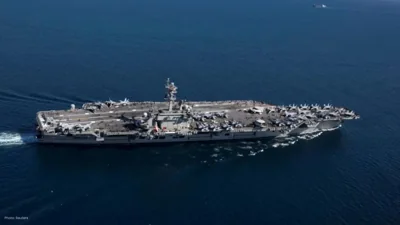
US Issues Alarm to Iran as Military Forces Deploy in Gulf Region
With a significant military presence in the Gulf, Trump urges Iran to negotiate a nuclear deal or fa

Copper Prices Reach Unprecedented Highs Amid Geopolitical Turmoil
Copper prices soar to all-time highs as geopolitical tensions and a weakening dollar boost investor

New Zealand Secures First Win Against India, Triumph by 50 Runs
New Zealand won the 4th T20I against India by 50 runs in Vizag. Despite Dube's impressive 65, India