Post by : Monika
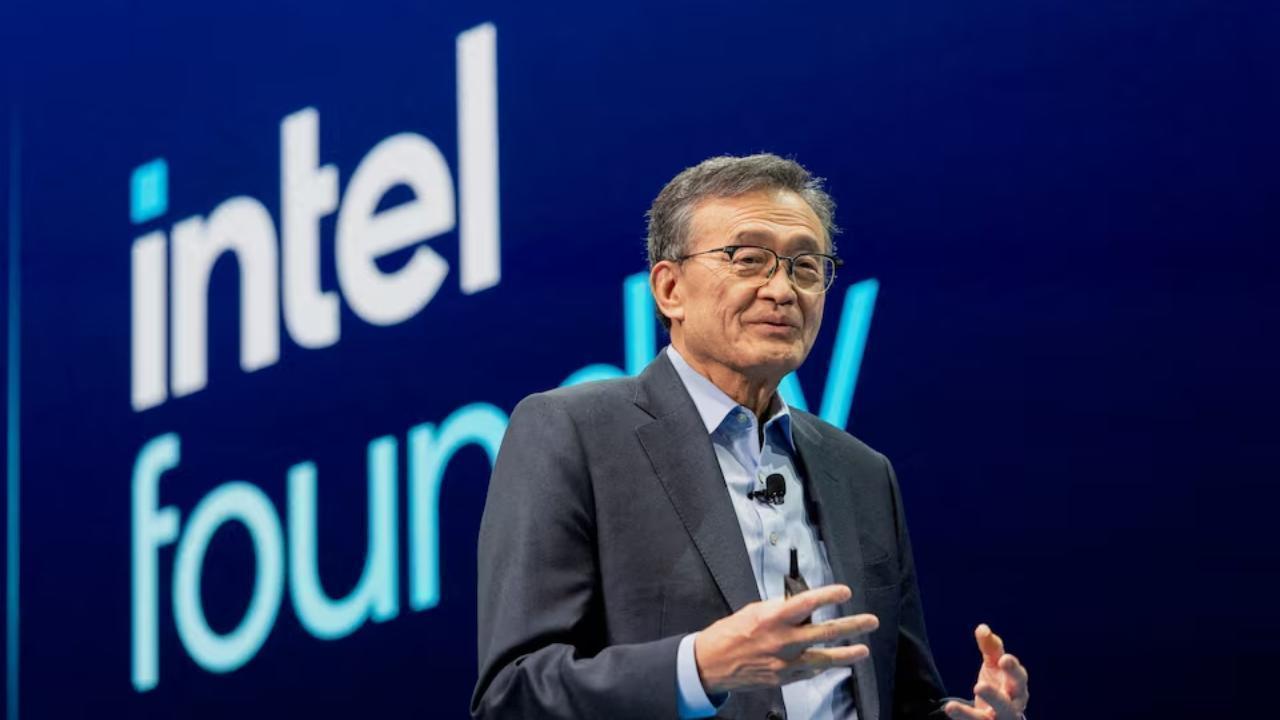
Photo: Reuters
On August 25, 2025, U.S. President Donald Trump announced that he plans to make more government investments in healthy American companies. This idea follows a recent deal in which the government took nearly 10% ownership in Intel, a leading chipmaker.
That deal turned federal grants into shares in Intel. It was created through the CHIPS Act, a program to boost domestic chip production. Trump said he wants to duplicate this type of deal across other industries.
But many business leaders are worried. They fear that having the government own part of companies is a big shift away from America’s long-standing free-market approach. The key concern: will companies still be able to act quickly and compete effectively if the government is involved?
Why Is This a Big Shift?
Traditionally, the U.S. government only stepped in during extreme crises—like the 2008 financial meltdown or auto industry bailouts.
Now, the government is actively seeking ownership in companies even when they are not failing.
Critics say this move could slow companies down, burden them with extra red tape, and make them answer to political interests instead of customers and markets.
Bill George, a former CEO and Harvard fellow, said:
“We’re moving from a pure capitalistic economy to a much more state-engaged economy. That’s a huge change for America.”
What’s the Government Saying?
President Trump posted on his social media that he’d support companies that make “lucrative” deals similar to Intel’s.
Intel, for its part, said it plans to use the CHIPS Act money to build plants in the U.S. The company is not broke—it has about $9 billion in cash and a market value of $105 billion.
What Are the Risks?
Intel’s regulatory filing explains some new risks, including:
Possible damage to its international sales due to government involvement.
Difficulty winning future government grants.
New regulations or restrictions in other countries because of government ownership.
Intel’s CEO, Lip-Bu Tan, even said in a video:
“I don’t need the grant... but I really look forward to having the U.S. government be my shareholder.”
Could This Affect Customers?
Some analysts worry that this arrangement might pressure buyers to favor Intel over competitors. One analyst asked if the government might “encourage” customers to choose Intel over others.
Not Just Intel—More Deals to Come?
Intel is just the beginning.
The government took a “golden share” in U.S. Steel after it was purchased by Japan’s Nippon Steel. This gives the government a say over major decisions.
The government also invested in MP Materials—which produces rare earth minerals—and struck revenue-sharing deals with Nvidia and AMD to protect chip production.
Observers say the pattern suggests a growing interest by the government to invest in critical industries—not just chips, but steel, minerals, and possibly more.
How Is This Different from Before?
Previously, government intervention meant rescue actions in emergencies. Now, it’s proactive and strategic.
Analysts and business leaders fear companies may lose independence, suffer delays in decision-making, and face new political pressures. Governance expert Nell Minow said:
“Companies that are nationalized in whole or in part don’t do as well because they’re restricted from making strategic decisions based on the market.”
Why Is the Government Doing This?
The administration argues that these deals will:
Build domestic production in critical fields.
Reduce dependence on foreign countries for important materials and parts.
Strengthen U.S. technology and manufacturing for national security.
The goal is to ensure that America remains competitive and self-reliant.
Support and Criticism at Home
Supporters Say:
This strategy helps bring back manufacturing jobs and strengthen key industries.
It is similar to tax breaks and incentives used to attract big companies like Amazon.
It’s a practical way to protect the economy and ensure long-term stability.
Critics Say:
It undermines free-market capitalism, turning it into state-involved capitalism.
Government ownership leads to politicized decisions, reducing innovation.
Companies like Apple are already investing heavily in the U.S., and this trend could scare away private investment.
What Could Happen Next?
More companies in important areas—like energy, health, or tech—could face similar deals.
Some industries may resist these interventions.
Lawmakers, investors, and economists will closely watch what happens next.
This is a major test of government influence in business—a very different path than most U.S. presidents have taken in the past.
Quick Recap for Students
Question Answer
Who? U.S. President Trump and major companies like Intel.
What happened? Government bought nearly 10% of Intel via CHIPS Act; wants more deals.
Why? To boost domestic production and protect national security.
Risks? Corporate delays, regulatory risks, political influence on business.
Supporters say? Helps U.S. industries and builds self-reliance.
Critics say? Threatens capitalism, reduces private innovation.










DAE Achieves Remarkable Growth in Q1 2026 With Record Revenue
Dubai Aerospace Enterprise announces impressive financial results for Q1 2026, reflecting a surge in

Price Increase for Sony PS5 in Southeast Asia Effective May 1
Sony announces a price increase for the PS5 across Southeast Asia starting May 1, 2026, impacting ga

Potential ‘Super El Niño’ in 2026: Understanding the Climate Risks
Could a Super El Niño emerge in 2026? Discover its implications and potential global climate impacts

Global Energy Crisis Intensifies: Markets React to Oil Supply Challenges
Markets are on edge as oil disruptions escalate, influencing prices and economic stability. Explore

Must-See Tourist Spots in London You Can't Overlook
Explore London's essential attractions, from royal landmarks to vibrant markets, ensuring an unforge

Ultimate Guide to Snagging Cheap Flights in 2026
Unlock the secrets to booking affordable flights in 2026 with insightful tips and strategies tailore




