Post by : Saif Nasser
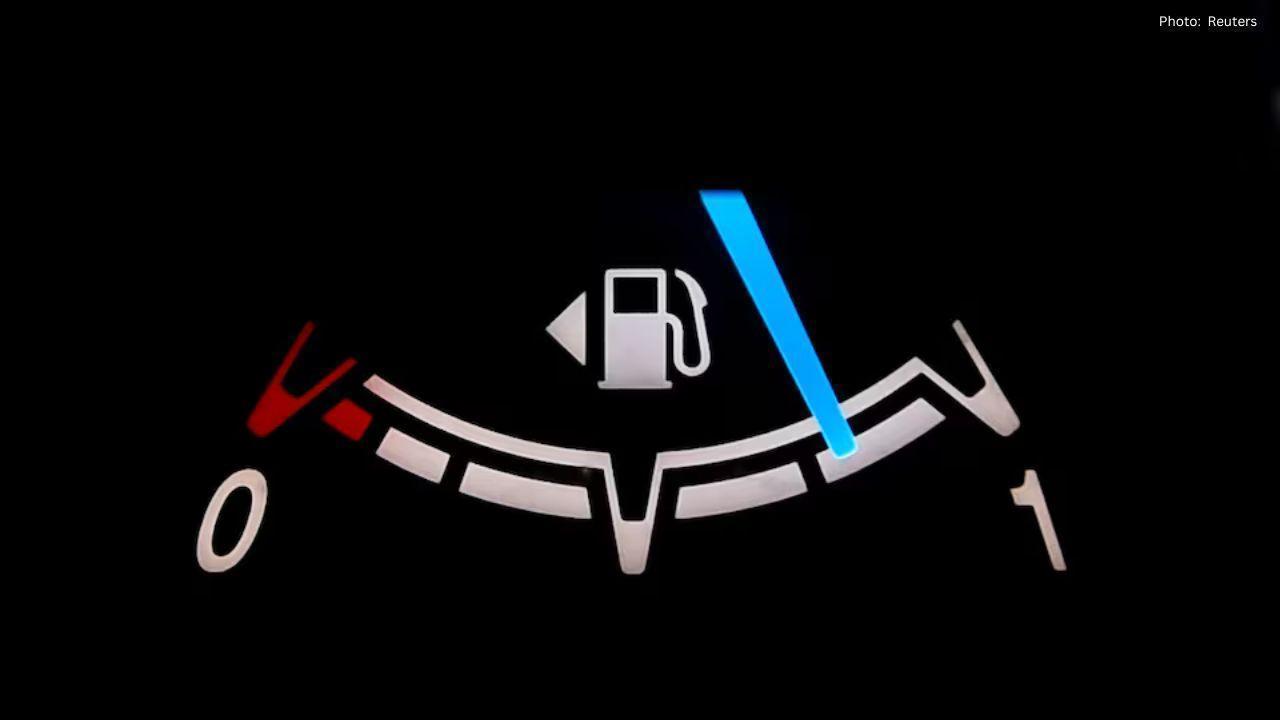
President Donald Trump has announced a major plan to reduce U.S. fuel economy standards, reversing one of former President Joe Biden’s key climate policies. The proposal is designed to make it easier for automakers to sell gasoline-powered vehicles, even as global attention continues to shift toward cleaner and more efficient technology.
Speaking in Washington, Trump defended the move by saying that “people want the gasoline car.” He argued that his plan would support affordability and consumer choice at a time when the auto industry is changing quickly.
The National Highway Traffic Safety Administration (NHTSA) outlined the proposed changes. Under Biden’s standards, automakers were expected to reach an average of 50.4 miles per gallon by 2031. Trump now wants to lower that target to 34.5 miles per gallon, a major reduction that would slow the transition toward more fuel-efficient vehicles.
The agency also plans to scale back fuel economy rules for past model years and then increase standards only slightly—between 0.25% and 0.5% per year—through 2031. This is far less than the 8% and 10% annual increases required under Biden for 2024 through 2026.
NHTSA estimates that vehicles may cost about $930 less upfront under Trump’s rule. But the agency also warns that Americans could use around 100 billion more gallons of gas through 2050. This would cost drivers as much as $185 billion in extra fuel, while increasing carbon emissions by around 5%.
At the same time, automakers would save large amounts of money by facing lower rules. NHTSA documents show savings of $35 billion through 2031 for the industry, including almost $9 billion for GM and more than $5 billion each for Ford and Stellantis. This explains why leaders from major companies have shown support for the changes.
Ford CEO Jim Farley joined Trump at the White House and praised the move, calling it a “victory for common sense and affordability.” He said Ford will invest more in cheaper vehicles and that buyers deserve the freedom to choose. Meanwhile, GM CEO Mary Barra said that many auto companies were facing pressure from strict rules in states like California, which previously tried to require higher levels of electric vehicle sales.
But not everyone agrees with the new proposal. Environmental groups, state leaders, and clean energy advocates strongly criticized the rollback. California Governor Gavin Newsom accused Trump of “gutting fuel economy standards” and warned that Americans would end up spending more on gasoline while breathing dirtier air.
The Natural Resources Defense Council also warned that reducing standards will increase pollution and raise long-term costs for drivers. The group says the plan benefits the oil industry at the expense of families.
Another major change in Trump’s plan is the proposal to end credit trading among automakers by 2028. Under Biden’s system, electric-vehicle makers like Tesla and Rivian were able to sell unused credits to companies that still rely heavily on gas-powered cars. NHTSA now calls this a “windfall” for EV-focused companies and wants to shut down the system. Ending credit trading could be a big blow to Tesla and other EV brands that depend on this revenue.
Earlier this year, Trump also signed legislation to end fuel economy penalties dating back to 2022, further cutting costs for automakers.
All these steps fit within Trump’s broader effort to support gas-powered vehicles and slow down the push toward electric cars. His administration has already removed EV tax credits and blocked California from enforcing its long-term plan to ban sales of new gas cars after 2035.
Supporters of Trump’s policy argue that the auto market should be allowed to grow naturally without strict government rules. Critics insist that the country must prepare for a cleaner future and protect consumers from rising fuel costs.
Transportation is the largest source of greenhouse gas emissions in the United States. Biden’s rule, if kept in place, was expected to save 64 billion gallons of gasoline and cut emissions by more than 650 million metric tons. NHTSA now says Trump’s proposal would raise emissions to levels equal to adding nearly 8 million more cars per year by 2035.
The debate over fuel rules shows the deep divide between two visions of America’s auto future. One focuses on protecting traditional vehicles and prioritizing lower upfront costs. The other emphasizes environmental responsibility, long-term savings, and clean technology.
As the proposal enters review, automakers, environmental groups, and millions of drivers will be watching closely. The final decision could shape the U.S. automotive industry for many years to come.






Mattel Revives Masters of the Universe Action Figures Ahead of Film Launch
Mattel is reintroducing Masters of the Universe figures in line with its upcoming film, tapping into

China Executes 11 Members of Criminal Clan Linked to Myanmar Scam
China has executed 11 criminals associated with the Ming family, known for major scams and human tra

US Issues Alarm to Iran as Military Forces Deploy in Gulf Region
With a significant military presence in the Gulf, Trump urges Iran to negotiate a nuclear deal or fa

Copper Prices Reach Unprecedented Highs Amid Geopolitical Turmoil
Copper prices soar to all-time highs as geopolitical tensions and a weakening dollar boost investor

New Zealand Secures First Win Against India, Triumph by 50 Runs
New Zealand won the 4th T20I against India by 50 runs in Vizag. Despite Dube's impressive 65, India