Post by : Saif Nasser
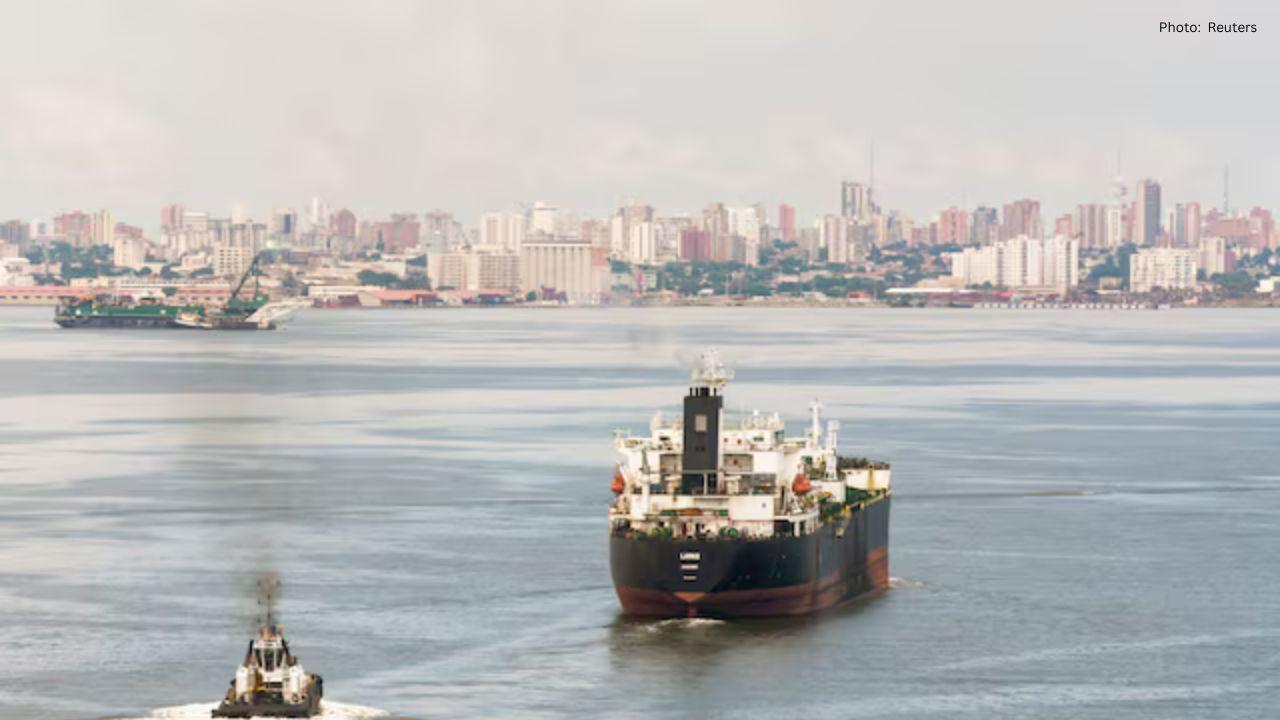
U.S. President Donald Trump has ordered a blockade on all sanctioned oil tankers entering and leaving Venezuela. This decision marks a serious escalation in pressure on President Nicolas Maduro’s government and directly targets Venezuela’s main source of income — oil.
The announcement had an immediate impact on global energy markets. Oil prices rose by more than 1% as traders reacted to fears that Venezuelan oil supplies could be reduced. Even the risk of disruption was enough to push prices higher, showing how closely markets watch political developments in major oil-producing countries.
In his statement, Trump accused Venezuela’s leadership of crimes such as terrorism, drug trafficking, and human trafficking. He said these actions justified calling the Maduro government a foreign terrorist organization and ordering what he described as a “total and complete blockade” of sanctioned oil tankers.
Venezuela strongly rejected the move. Government officials called it a dangerous and unacceptable threat. President Maduro accused the United States of trying to gain control over Venezuela’s vast oil reserves, the largest in the world, by using military pressure.
Many questions remain about how the blockade will be enforced. It is not clear whether the U.S. Navy or Coast Guard will stop and inspect ships at sea. However, the United States has already increased its military presence near Venezuela, sending thousands of troops and several warships, including an aircraft carrier, to the region.
Last week, U.S. authorities seized a sanctioned oil tanker near Venezuela’s coast. Since then, many oil tankers loaded with crude have stayed in Venezuelan waters rather than risk being intercepted. As a result, Venezuela’s oil exports have already dropped sharply.
The situation has been made worse by a recent cyberattack on Venezuela’s state oil company, PDVSA, which disrupted its operations. With exports falling and systems affected, the country’s economic troubles are deepening.
Oil market experts say prices are rising mainly because of uncertainty. While many vessels operating near Venezuela are under U.S. sanctions, others are not. Some companies, including U.S.-based Chevron, still transport Venezuelan oil under special approvals. Traders are watching closely to see if the blockade will be expanded further.
China remains the largest buyer of Venezuelan oil, accounting for about 4% of its total imports. If Venezuelan exports fall by close to one million barrels per day and are not replaced by other producers, oil prices could rise sharply. Some experts estimate prices could increase by five to eight dollars per barrel.
Legal experts have also raised serious concerns. Under international law, blockades are often considered acts of war. While U.S. presidents have broad powers, scholars warn that this action raises difficult legal questions both in the United States and internationally.
U.S. lawmakers have criticized the move, saying it could drag the country into conflict without approval from Congress. These warnings reflect growing concern about the risks of further escalation.
Beyond politics and markets, the human cost could be severe. Tighter restrictions on oil exports could worsen inflation and poverty in Venezuela and push more people to leave the country in search of safety and work.
Trump’s blockade order represents a major turning point in relations between the United States and Venezuela. Whether it leads to talks, deeper economic pain, or open conflict remains uncertain. What is clear is that the decision has increased global tension and added new risks to already fragile energy markets.






Mattel Revives Masters of the Universe Action Figures Ahead of Film Launch
Mattel is reintroducing Masters of the Universe figures in line with its upcoming film, tapping into

China Executes 11 Members of Criminal Clan Linked to Myanmar Scam
China has executed 11 criminals associated with the Ming family, known for major scams and human tra
US Issues Alarm to Iran as Military Forces Deploy in Gulf Region
With a significant military presence in the Gulf, Trump urges Iran to negotiate a nuclear deal or fa

Copper Prices Reach Unprecedented Highs Amid Geopolitical Turmoil
Copper prices soar to all-time highs as geopolitical tensions and a weakening dollar boost investor

New Zealand Secures First Win Against India, Triumph by 50 Runs
New Zealand won the 4th T20I against India by 50 runs in Vizag. Despite Dube's impressive 65, India