Post by : Mina Rahman
Former President Donald Trump has paved the way for Nvidia to export its advanced H200 chip to China, a significant relaxation of U.S. export controls aimed at Chinese technology.
In his announcement, Trump revealed that he had notified Chinese President Xi Jinping about this decision, which includes a stipulation for 25 percent of sales revenue to be directed to the U.S. government. The exports will be permitted only to "approved customers" under conditions designed to safeguard national security, with similar measures anticipated for other leading chipmakers like AMD and Intel.
Trump stated, "This policy will bolster American jobs, improve U.S. manufacturing, and benefit American taxpayers."
Nvidia, based in Santa Clara, California, characterized the decision as a "thoughtful balance" that will promote high-paying jobs and domestic manufacturing. Following the announcement, Nvidia's shares surged over 2 percent in after-hours trading.
This decision marks a significant shift from the previous administration's restrictions, which limited Nvidia and other chip manufacturers to exporting downgraded versions of their offerings to China. Trump criticized that strategy, contending it compelled U.S. tech firms to invest billions in products that lacked demand.
The H200 chip, unveiled in 2023, stands as Nvidia's most powerful chip outside the latest Blackwell series and boasts nearly six times the power of the older H20 model. Previously, Nvidia paid 15 percent of H20 sales revenue to the U.S. government to comply with restrictions related to China.
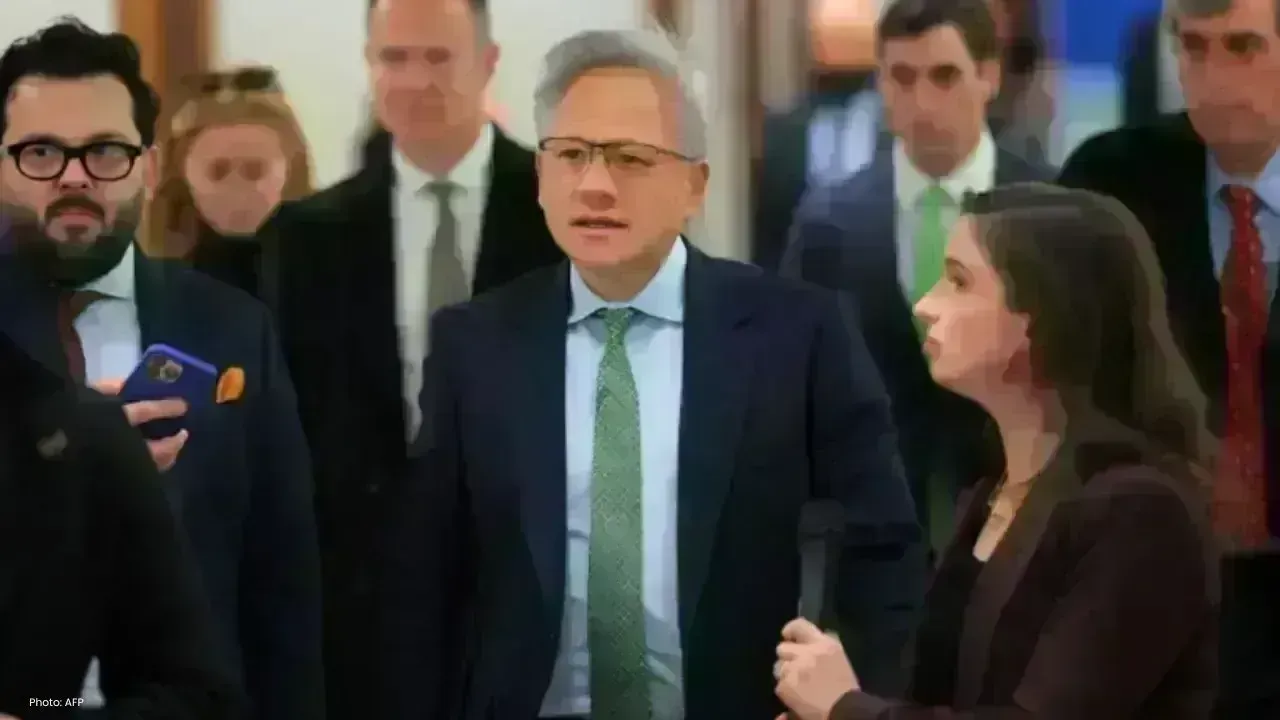
Experts suggest Trump's choice mirrors market realities and the lobbying efforts of Nvidia CEO Jensen Huang. The focus is transitioning from obstructing China’s tech progress to competing for market share and obtaining commercial benefits.
Tilly Zhang, a tech expert, noted, "This action indicates a shift from containment of China to enhancing American tech capability while securing revenue."
However, the move has faced strong opposition from Democratic lawmakers. Senator Elizabeth Warren accused Trump of "compromising U.S. security" by enabling advanced AI chips to reach China, even after earlier warnings about illicit shipments.
Tech policy experts have cautioned that less stringent export controls could enable Chinese AI companies to catch up to U.S. standards, enhance global cloud computing infrastructure, and possibly undermine U.S. dominance in artificial intelligence.







Mattel Revives Masters of the Universe Action Figures Ahead of Film Launch
Mattel is reintroducing Masters of the Universe figures in line with its upcoming film, tapping into

China Executes 11 Members of Criminal Clan Linked to Myanmar Scam
China has executed 11 criminals associated with the Ming family, known for major scams and human tra

US Issues Alarm to Iran as Military Forces Deploy in Gulf Region
With a significant military presence in the Gulf, Trump urges Iran to negotiate a nuclear deal or fa

Copper Prices Reach Unprecedented Highs Amid Geopolitical Turmoil
Copper prices soar to all-time highs as geopolitical tensions and a weakening dollar boost investor

New Zealand Secures First Win Against India, Triumph by 50 Runs
New Zealand won the 4th T20I against India by 50 runs in Vizag. Despite Dube's impressive 65, India