Post by : Saif Nasser
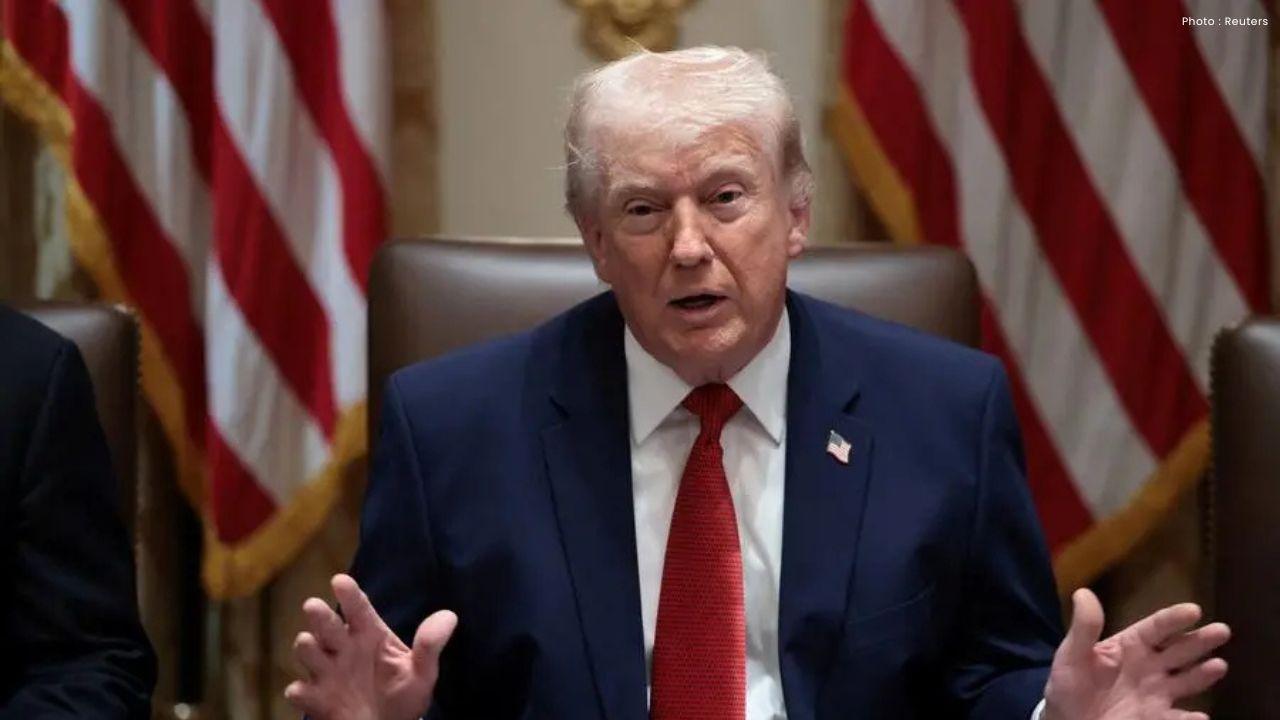
The decision by Donald Trump to pause attacks on Iran’s energy infrastructure has opened a small window of hope in a conflict that has shaken the world. After weeks of fighting, rising oil prices, and growing fears of a wider war, this move suggests that diplomacy may still have a chance.
According to recent reports, the United States has stopped its strikes on Iranian energy plants for 10 days, with the pause expected to last until early April. Trump said the decision came as talks with Iran were “going very well.” This announcement comes at a critical time. The conflict, which began after failed nuclear negotiations, has already caused heavy loss of life and widespread damage across the region.
While the pause in attacks may sound like a step toward peace, the situation on the ground remains tense. Iran has continued to launch retaliatory strikes against U.S. and Israeli targets. This shows that the pause is limited. It is not a full ceasefire, but rather a temporary break focused only on energy infrastructure. Military actions in other areas are still ongoing, which means the risk of escalation remains high.
At the same time, there is confusion about the talks themselves. Trump has said negotiations are progressing well, but Iranian officials have denied that direct talks are taking place. This difference in statements raises an important question: are both sides truly moving toward peace, or are they simply buying time while preparing for the next phase of conflict?
Energy plants are not just buildings; they are the backbone of a country’s economy. By targeting these sites, the war has directly affected global markets. Oil prices have risen sharply, and the cost of essential goods has also increased. This has real effects on everyday people. Higher fuel prices make transportation more expensive, while rising fertilizer costs can lead to higher food prices. In simple terms, a war in one region is making life more difficult for people across the world.
The Strait of Hormuz, a key shipping route, has also been affected. This narrow passage carries a large share of the world’s oil supply. When it is threatened, the global economy feels the impact almost immediately. Any disruption here can lead to sudden spikes in energy prices and create uncertainty in international markets.
Trump has said the pause came after a request from Iran, although this claim has not been confirmed by Tehran. He also warned that if Iran does not agree to a deal, attacks could resume. This shows that the pause is part of a larger strategy—one that combines pressure with negotiation. Reports suggest that the United States has proposed a detailed peace plan, but Iran has called it unfair. This highlights how far apart the two sides still are on key issues.
This conflict is not limited to one region. Its effects are being felt across the globe. Shipping disruptions, rising energy prices, and economic uncertainty are affecting many countries. Even nations not directly involved in the conflict are facing challenges due to higher costs and unstable markets. Governments around the world are watching closely, worried that the situation could become worse.
Despite the ongoing violence, there are still signs that diplomacy is possible. Several countries are trying to act as mediators and reduce tensions. However, the path to peace is difficult. Trust between the United States and Iran is very low after years of conflict, sanctions, and political disagreements. For talks to succeed, both sides will need to make compromises, which is often the hardest step in any negotiation.
The current pause should be seen as a fragile opportunity. It is not a guarantee of peace, but it does offer a chance to reduce tensions. If the talks succeed, they could prevent further destruction and bring stability to the region. If they fail, the conflict could return with even greater intensity.
Trump’s decision to pause attacks offers a brief moment of hope in a dangerous situation. It shows that even during conflict, dialogue is still possible. However, real peace will require more than just a temporary pause. It will need honest discussions, difficult decisions, and a willingness from both sides to step back from further confrontation.






Meta Unveils Subscription Plans for Instagram, Facebook, and WhatsApp
Meta introduces new subscription plans for users of Instagram, Facebook, and WhatsApp, featuring enh

Suvarna Joy on Education Leadership, Resilience, and Building Purpose Through Adversity in the UAE
Suvarna Joy shares her journey of education leadership, motherhood, faith, and resilience within the

DAE Achieves Remarkable Growth in Q1 2026 With Record Revenue
Dubai Aerospace Enterprise announces impressive financial results for Q1 2026, reflecting a surge in

Starbucks Engages Boyu Capital for Major Chinese Expansion
Starbucks teams up with Boyu Capital, selling a majority stake to boost growth and adapt to the Chin

Three Individuals Charged in Massive Meth Trafficking Case in Malaysia
In Malaysia, a married couple and another suspect are charged with trafficking 510kg of meth, facing