Post by : Anees Nasser
For years, the landscape of fitness has been dominated by rigid routines involving repetitions, machines, and programs aimed at muscle gain and calorie reduction. Gyms have long represented discipline and transformation. However, there's a noticeable trend of people moving away from structured workouts and towards a philosophy of viewing movement as medicine.
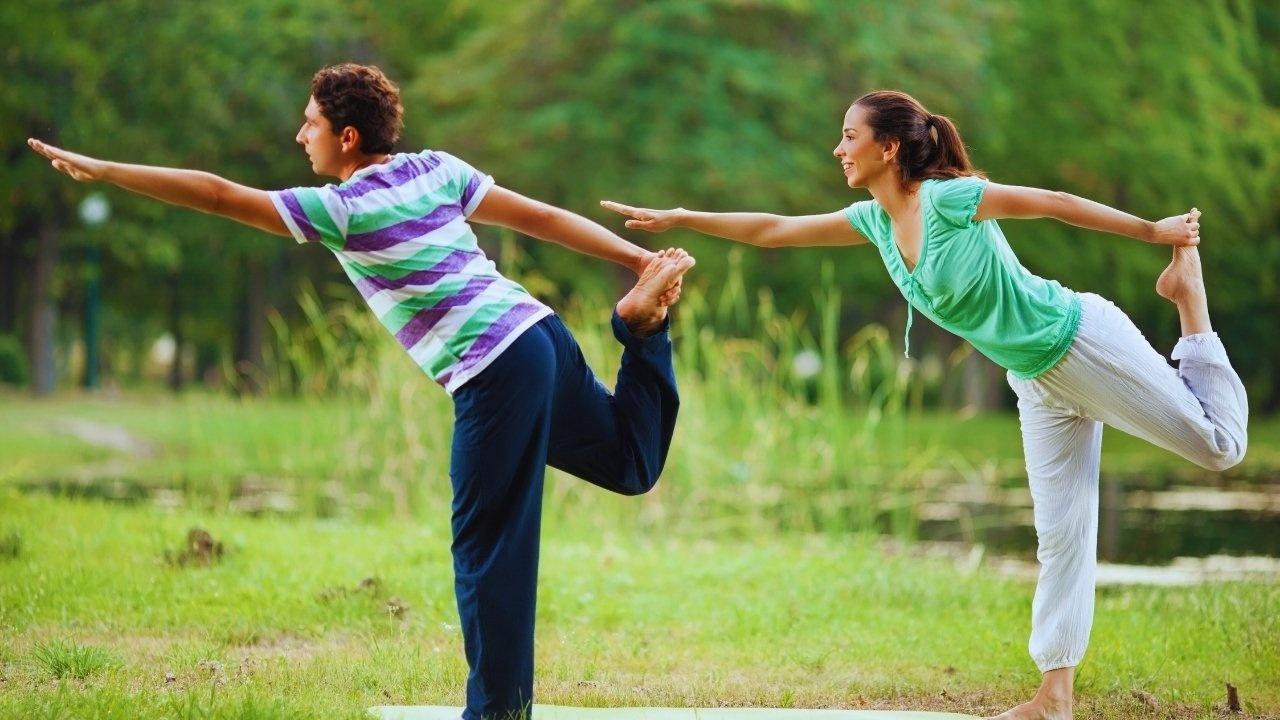
Movement medicine transcends mere physical fitness; it offers a holistic approach to reconnecting with one’s body through instinctive movements, rhythm, play, and creative expression. Instead of striving for perfection in form, individuals are embracing natural movement patterns that encourage flow and joy.
This paradigm shift signals a broader rethinking of health—a move away from aesthetics towards emotional wellbeing, nervous system regulation, and functional strength to enhance everyday living.
While gyms undoubtedly hold value, many individuals report feeling alienated by monotonous exercises and heavy equipment within competitive environments. The classic fitness mindset that promotes pushing oneself to extremes and counting metrics often detracts from genuine enjoyment.
Today's individuals face various modern challenges:
– Elevated stress and mental fatigue
– Sedentary lifestyles due to screen time
– Emotional exhaustion
– The need for creative expression
– A longing for community and energy
In such an environment, movement that fosters joy and healing strikes a deeper chord than heavy, obligatory routines. The focus is no longer on “punishing” the body into shape; rather, individuals seek to nurture their bodies into strength.
Globally, dance has emerged as a transformative practice, not for performance but for healing purposes. From conscious dance to Zumba and ecstatic workshops, individuals are discovering their rhythm.
Dance provides:
– Emotional release through movement
– Endorphins delivered joyfully
– Enhanced coordination and balance
– A platform for judgment-free self-expression
– Cardio benefits entwined with joy
– Deep relaxation for the nervous system
This form of movement allows individuals to bypass the need for strict structure and instead invites the body to lead. People dance not merely to exercise—but to feel fully alive, self-assured, grounded, and connected.
Fundamental movement patterns like crawling, squatting, climbing, and flowing are making a resurgence. These natural motions highlight how humans were meant to move long before modern conveniences limited our mobility.
Focusing on primal and flowing movements encourages:
– Joint health and flexibility
– Core strength reflecting natural movement
– Enhancements in balance and coordination
– Improved posture
– Injury prevention
– Freedom of body motion
These movements reconnect the body with its inherent capabilities. A strong body isn’t solely muscular; it’s one that moves freely, responds rapidly, and supports daily activities effortlessly.
Children play—running, jumping, and exploring—without considering fitness. As adults, this spontaneous joy fades, replaced by routines and sedentary lifestyles. Now, play is reclaiming its rightful place within wellness.
Activities like parkour, trampoline fitness, and animal flow communities are growing in popularity. Adults are rediscovering playful movements through workshops that reintegrate skipping ropes, tree climbing, and open-space running.
This playful culture enhances not only physical health but also mental wellness. Play fosters creativity, diminishes stress, and enhances agility, all while infusing joy—a potent form of therapy.
The latest movement trends significantly impact mental health. Scientific research supports what many traditional cultures have understood: movement is integral for emotional regulation, trauma release, cognitive clarity, and mental centering.
Movement medicine promotes:
– Emotional release (crying, laughing, shaking)
– Stress relief and grounding
– Elevated dopamine and serotonin levels
– Calming the nervous system
– Healing trauma through somatic techniques
– Greater self-awareness
This approach encourages embracing emotions rather than suppressing them through rigidity. Individuals leave these sessions feeling lighter, both physically and mentally.
Somatic practices prioritize internal sensations over external appearances. They foster a deeper awareness of the body’s signals and encourage a compassionate response, enhancing emotional resilience and inner peace.
Somatic techniques may include:
– Breath-centered motions
– Slow-flow exercises
– Mindful stretching
– Micro-movements for fascia release
– Shaking practices for stress relief
This approach is less about action and more about connecting. It teaches that the body is not merely a machine to be managed but rather a home deserving understanding.
While traditional gyms have represented fitness communities, many now seek deeper emotional connections through shared movement experiences. Movement circles, outdoor workshops, and dance festivals create bonding opportunities through joy.
These experiences yield advantages such as:
– Social engagement
– Collective creative energy
– Emotional support and safety
– Empowerment and belonging without competition
Movement evolves into a universal language that transcends words.
In an interesting twist, the digital realm has facilitated this mobile shift. Online classes enable individuals to explore dance, primal flow, and other modalities in the comfort of their homes.
Digital instructors embrace freedom over conformity, making movement accessible to:
– Introverts
– Beginners
– Those wary of gyms
– Individuals on a trauma-healing journey
– Busy professionals in need of flexibility
Technology thus amplifies authenticity rather than detracting from it.
Traditional health metrics like weight and duration dictated success in physical fitness. In contrast, movement medicine celebrates emotions and sensations over superficial appearances.
Key transformations are:
– A shift from aesthetic goals to emotional wellbeing
– Moving from punitive regimes to joyful experiences
– Transitioning from comparison to self-acceptance
– Emphasizing flow over discipline
– Valuing inner experiences over performance metrics
Here, movement becomes nourishment rather than an obligation.
In contrast to rigid schedules, movement medicine incorporates seamlessly into everyday routines. Practitioners may engage in:
– Stretching at work
– Dancing in living rooms
– Playful workouts with children
– Walking barefoot in parks
– Mobility routines before sleep
– Breath-movement sessions during stressful moments
This isn’t about appointments; it’s about integrating movement into life.
Movement medicine is more than a fleeting trend—it’s a return to our primal state as beings that are alive, expressive, curious, emotional, spontaneous, and free.
Where past gyms promoted strength through sheer effort, this new approach finds strength in joy. Instead of numbers dictating progress, sensations illuminate the path. The emphasis shifts from obligation to pleasure.
Our bodies instinctually remember the essence of freedom, and the modern world is beginning to listen.
In this era, fitness expands beyond physical walls, thriving in rhythm, nature, breath, laughter, and presence. Movement serves as a celebration—a means of healing and a pathway to life itself.
This article provides general wellness insights aimed at education. Movement experiences may vary, and readers are encouraged to explore practices gradually and consult professionals if they have any health or mobility concerns.










Anticipated Dates for UAE Eid Al Adha 2026 Unveiled by Astronomical Experts
Experts predict Eid Al Adha 2026 in the UAE to start on May 27, prompting early holiday planning amo

DAE Achieves Remarkable Growth in Q1 2026 With Record Revenue
Dubai Aerospace Enterprise announces impressive financial results for Q1 2026, reflecting a surge in

Price Increase for Sony PS5 in Southeast Asia Effective May 1
Sony announces a price increase for the PS5 across Southeast Asia starting May 1, 2026, impacting ga

Potential ‘Super El Niño’ in 2026: Understanding the Climate Risks
Could a Super El Niño emerge in 2026? Discover its implications and potential global climate impacts

Global Energy Crisis Intensifies: Markets React to Oil Supply Challenges
Markets are on edge as oil disruptions escalate, influencing prices and economic stability. Explore

Must-See Tourist Spots in London You Can't Overlook
Explore London's essential attractions, from royal landmarks to vibrant markets, ensuring an unforge




