Post by : Mikhael Nasser
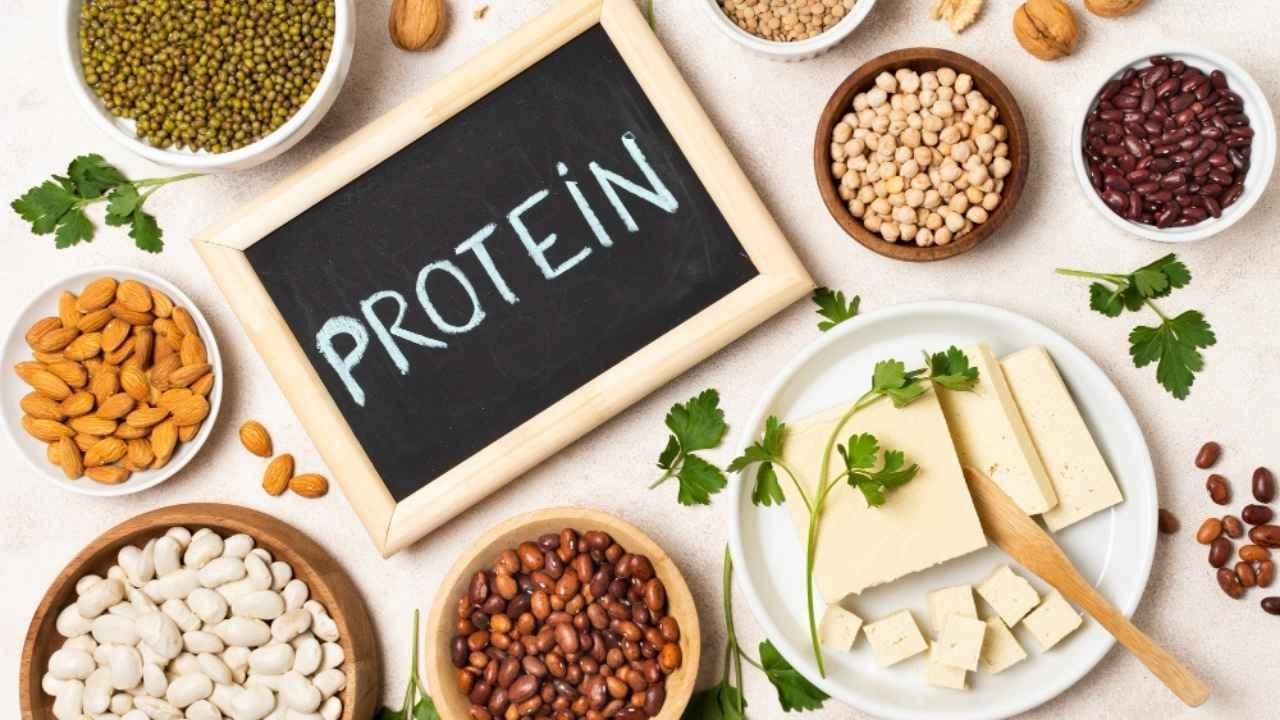
Protein is a vital nutrient for the body, essential for muscle growth, tissue repair, and overall health. While many assume meat is the main source of protein, there are numerous plant, dairy, and grain options that can deliver ample protein without any meat in your meals.
This guide highlights the significance of protein, the finest non-meat protein options available, and practical advice for incorporating them into your daily menu. The text is designed to be easily accessible for readers of every age, including students.
Protein serves multiple crucial functions within the body, including:
Muscle development
Repairing tissues post-exercise or injury
Maintaining healthy skin, hair, and nails
Supporting bone density
Producing vital hormones and enzymes
Enhancing immunity
Sustaining energy levels throughout the day
A lack of adequate protein intake may lead to fatigue, weakness, increased hunger, and slow recovery from injuries.
The encouraging news is that you can obtain all the necessary protein without meat by choosing the right foods.
Here are some excellent non-meat options that provide plenty of protein and can be easily added to your regular meals.
Lentils are among the most cost-effective and reliable protein sources for vegetarians.
Benefits of Lentils:
High in protein content
Easily digestible
Rich in fiber and iron
Quick cooking time
Suitable for all age groups
One cup of cooked dal provides about 18 grams of protein.
Incorporation:
Dal rice, khichdi, soups, and parathas.
Chickpeas, kidney beans, black beans, and other legumes are rich sources of plant-based protein.
Benefits:
Provide sustained energy
High in dietary fiber
Keep hunger at bay
Assist in weight management
Incorporation:
Boiled chana, hummus, chole, rajma rice, salads.
Dairy items deliver complete protein, essential for bodily functions.
Health Benefits:
Aid in muscle development
Support bone strength
Improve digestion (curd)
Enhance immunity
Paneer contains around 14–18 grams of protein per 100 grams.
Incorporation:
Paneer bhurji, tikka, fruit curd, warm milk, cheese toast.
Eggs, while not meat, are an excellent natural protein source.
Each egg has around 6 grams of superior quality protein.
Incorporation:
Boiled eggs, omelet, scrambled eggs, various curries.
Soybeans are rich in protein, outpacing many plant alternatives.
Benefits of Soy:
High protein content
Supports muscle growth
Contains all essential amino acids
Ideal for weight loss diets
Tofu offers approximately 8 grams of protein per 100 grams.
Incorporation:
Tofu stir-fry, curries, salads, soy milk.
Almonds, peanuts, cashews, and various seeds supply protein along with healthy fats.
Benefits:
Boost energy
Promote brain health
Control appetite
Support cardiac health
Incorporation:
Trail mix, nut butters, chia pudding, smoothies.
Quinoa is recognized as a “complete protein grain” because it offers all necessary amino acids.
Best For:
Weight management
Protein-rich meals
Gluten-free diets
Incorporation:
Quinoa salad, pulao, quinoa bowls.
Oats provide a balanced combination of protein, fiber, and minerals.
Benefits:
Sustain fullness
Aid digestion
Excellent breakfast choice
Incorporation:
Oat porridge, chilla, smoothies.
A cup of green peas contains nearly as much protein as an egg.
Benefits:
Low in calories
Easily digestible
Support weight control
Incorporation:
Pea curry, soup, rice dishes, mixed vegetables.
Mushrooms offer respectable protein levels and are plentiful in minerals.
Incorporation:
Curry, soup, grilled, stir-fried.
Small changes can significantly boost your protein consumption:
✔ Add seeds to breakfast
✔ Include beans at lunch or dinner
✔ Substitute quinoa for regular rice
✔ Incorporate dairy or tofu into meals
✔ Snack on nut butter
✔ Enjoy daily milk or curd
✔ Blend chia or flax seeds in smoothies
Implementing these habits can lead to substantial benefits over time.
Certain demographics require augmented protein for development and wellbeing:
Children and adolescents
Pregnant or nursing women
Athletes and fitness enthusiasts
Individuals recovering from illnesses
Elderly populations
Combining various protein-rich foods in each meal can be advantageous for them.
Maintaining health, strength, and energy doesn't necessitate meat. Numerous plant-based protein sources like lentils, beans, dairy products, eggs, soy, nuts, seeds, quinoa, oats, peas, and mushrooms are available.
Incorporating these foods into your diet will ensure balanced nutrition, improved vitality, and enhanced immunity without reliance on meat.
This article aims to provide general insights and should not be regarded as medical advice. Individual protein requirements can differ greatly. For specific dietary needs or conditions, consulting with a healthcare professional or registered nutritionist is recommended. The shared information serves educational purposes and might not fit everyone's health requirements.










Starbucks Engages Boyu Capital for Major Chinese Expansion
Starbucks teams up with Boyu Capital, selling a majority stake to boost growth and adapt to the Chin

Three Individuals Charged in Massive Meth Trafficking Case in Malaysia
In Malaysia, a married couple and another suspect are charged with trafficking 510kg of meth, facing

Singapore Police Revisit Geylang Murder Scene with Suspect
In Geylang, police return a murder suspect to the scene of a crime involving the fatal stabbing of a

Mattel Revives Masters of the Universe Action Figures Ahead of Film Launch
Mattel is reintroducing Masters of the Universe figures in line with its upcoming film, tapping into

China Executes 11 Members of Criminal Clan Linked to Myanmar Scam
China has executed 11 criminals associated with the Ming family, known for major scams and human tra