Post by : Bianca Suleiman
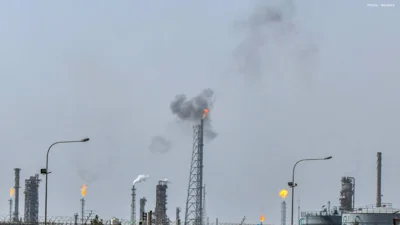
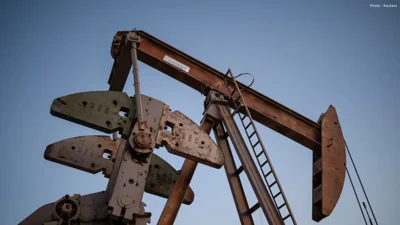
Dubai has implemented comprehensive new regulations governing the trading of petroleum products, establishing stricter guidelines for import, storage, transportation, and sale throughout the emirate. This initiative follows Executive Council Resolution No. 85 of 2025 issued by Sheikh Hamdan bin Mohammed bin Rashid Al Maktoum, Crown Prince of Dubai.
This resolution represents one of the most significant overhauls in the petroleum sector in recent years, aiming to enhance both economic stability and environmental safeguarding. It impacts all businesses operating within Dubai, including those in free zones and specialized development areas, unless exempted under federal decisions.
The Dubai Supreme Council of Energy will assume oversight of the sector, tasked with establishing competitive standards, endorsing technical requirements, processing permits, and ensuring adherence to health, safety, and environmental standards. Additionally, the Council will designate suitable sites for fuel stations, set norms for transportation vehicles and storage units, and outline areas where petroleum trading is limited.
Authorization is now compulsory for any entity engaged in petroleum trading. Companies must supply validated documentation confirming the origin of their petroleum materials before receiving or renewing permits. Clear procedures for transporting petroleum, setting up fuel stations, and importing materials into the emirate have also been specified.
Licensed entities are mandated to register with the Ministry of Energy and Infrastructure, trading only from sanctioned sources. They are required to display prices visibly, adhere to strict safety measures, keep records of petroleum sources for a minimum of five years, and report any incidents within a 24-hour timeframe.
The resolution establishes a progressive penalty system, with fines reaching up to AED 1 million. Repeat offenses will incur doubled penalties. For egregious violations, authorities may halt operations, revoke permits, or cancel commercial licenses altogether. The Council is also authorized to seize and dispose of non-compliant materials and vehicles.
Entities causing damages will be liable for all repair costs. Should Council intervention be necessary, a 25 percent administrative fee will be assessed. Both governmental and non-governmental agencies have been tasked with supporting the enforcement of these regulations to ensure a coordinated effort in tightening oversight of the petroleum sector.
The enactment of this resolution is anticipated to transform the trading landscape of petroleum products in Dubai, prioritizing transparency, accountability, and safety throughout the supply chain.








Mattel Revives Masters of the Universe Action Figures Ahead of Film Launch
Mattel is reintroducing Masters of the Universe figures in line with its upcoming film, tapping into

China Executes 11 Members of Criminal Clan Linked to Myanmar Scam
China has executed 11 criminals associated with the Ming family, known for major scams and human tra

US Issues Alarm to Iran as Military Forces Deploy in Gulf Region
With a significant military presence in the Gulf, Trump urges Iran to negotiate a nuclear deal or fa

Copper Prices Reach Unprecedented Highs Amid Geopolitical Turmoil
Copper prices soar to all-time highs as geopolitical tensions and a weakening dollar boost investor

New Zealand Secures First Win Against India, Triumph by 50 Runs
New Zealand won the 4th T20I against India by 50 runs in Vizag. Despite Dube's impressive 65, India