Post by : Anees Nasser
A Subtle Transformation in Personal Health Monitoring
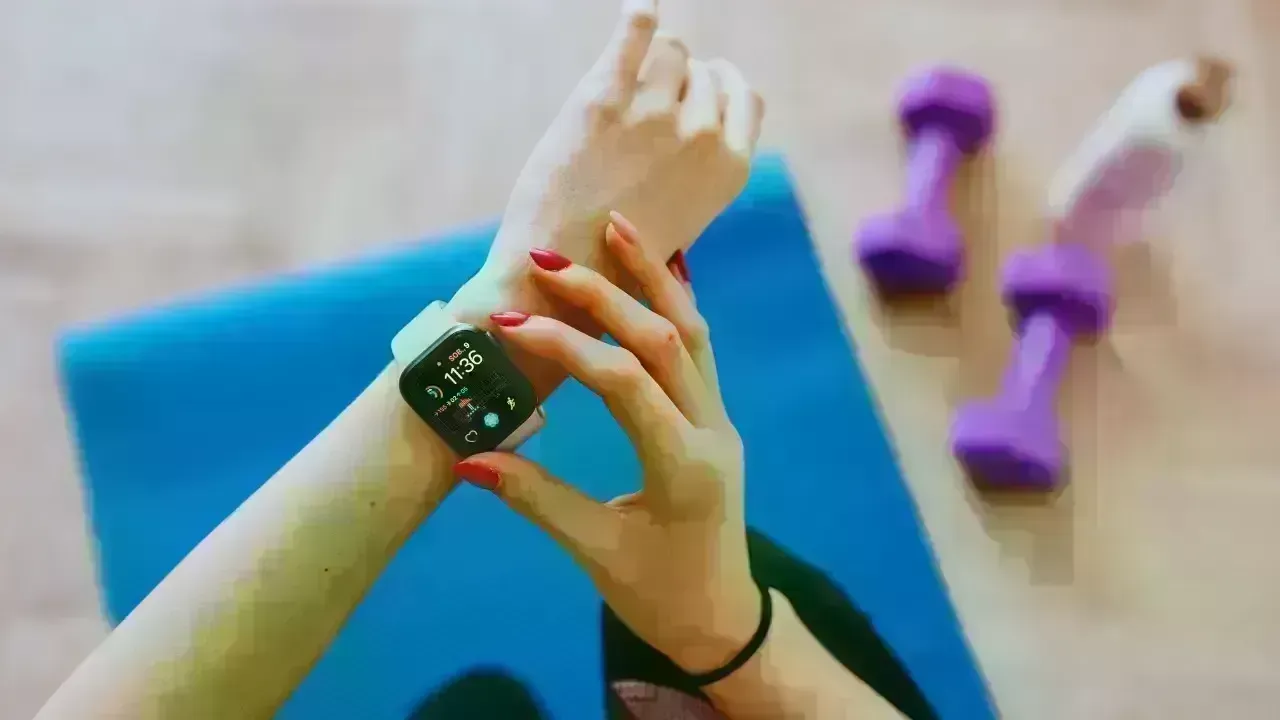
Recently, an unnoticed but significant transformation in personal health tracking has unfolded. Without much fanfare, smartwatches have emerged as the preferred tools for monitoring health in various settings—be it homes, offices, gyms, or healthcare environments. Once considered mere fashion statements, these devices now serve essential roles in tracking sleep, heart rate, steps, exercise, calorie intake, oxygen levels, and even stress responses.
This metamorphosis doesn’t stem from happenstance; rather, it is fueled by increasing health consciousness, digital convenience, and the thirst for real-time data. Today, smartwatches are more than gadgets—they function as unobtrusive health allies, seamlessly integrated into daily life.
Initially viewed as mere novelties, many users began to regard smartwatches as essentials as their lives became busier and their awareness of physical and mental health grew. These devices offer a level of continuous, effortless health monitoring that smartphones cannot provide.
Since these wearables are worn throughout the day, they facilitate an organic integration of health monitoring into everyday routines.
Several factors contribute to this remarkable rise:
– Enhanced focus on preventive health
– Growing interest in physical fitness and activity levels
– More sedentary occupations requiring movement reminders
– Heightened awareness of cardiovascular health
– Demand for streamlined tracking versus manual logging
– Real-time insights that appeal to users
– Seamless inclusion in daily habits
These advantages make smartwatches attractive for both technology enthusiasts and older populations keen on health monitoring.
Gone are the days when individuals only visited physicians during health crises. Now, smartwatches enable users to detect fluctuations in energy, sleep patterns, unusual heart rates, and stress levels, empowering them to take proactive steps in their health journeys.
Smartwatches promote:
– Increased daily step counts
– More regular sleep routines
– Enhanced physical engagements
– Improved hydration and stress management
– Consistent heart rate checks
These small behavior modifications can lead to longer-term health improvements.
One notable change smartwatches have facilitated is the transition from infrequent health assessments to real-time monitoring. This constant feedback equips users to understand their bodies in a more intimate and transparent manner.
Real-time tracking illuminates:
– Sudden heart rate fluctuations
– Decreases in oxygen levels
– Disturbances in sleep
– Stress peaks
– Daily calorie expenditure
– Hourly activity levels
The clarity offered by this immediate data far surpasses that of conventional fitness logs or sporadic check-ups.
With the growing recognition of sleep’s impact on overall health, smartwatches now automatically analyze sleep data, providing users with comprehensive insights each morning.
Users can observe:
– Duration of deep sleep
– Length of REM vs. light sleep
– Sleep restlessness
– Overall sleep quality
– Trends tracked over days or weeks
This information empowers individuals to optimize their routines, reduce evening screen time, and establish healthier sleep practices—all based on user-friendly data.
Continuous heart rate monitoring stands out as one of the primary features boosting smartwatch use. Today’s users aim to understand their cardiovascular condition, even if they are not fitness fanatics.
Smartwatches can identify:
– Elevated resting heart rates
– Unusually low heart rates
– Sudden spikes during stressful moments
– Levels of workout intensity
– Patterns of cardiovascular endurance
In particular instances, these devices have detected anomalies early, prompting timely medical consultations.
As awareness of mental health continues to grow, stress monitoring features are increasingly sought after. Smartwatches can gauge heart variability to estimate stress levels, offering calming exercises during intense moments.
Individuals lean on these capabilities to:
– Grasp emotional changes
– Alleviate anxiety
– Manage workplace stress
– Cultivate calmer daily habits
Such capabilities render smartwatches invaluable not just for physical health but also as accomplices in mental wellness.
Another compelling factor behind the smartwatch surge is their gentle encouragement for users. The presence of activity rings, step counters, and achievement notifications creates a subtle sense of accomplishment.
These functionalities prompt:
– Daily walks lasting at least 30 minutes
– Occasional standing
– Achievement of step milestones
– Reduced periods of inactivity
– Sustained activity during busy days
This playful approach makes health-enhancing behaviors feel engaging and attainable.
Previously, fitness tracking catered mainly to athletes or gymgoers. Smartwatches democratize this access, accommodating everyone—from office professionals to students and seniors.
They support a variety of workout types including:
– Walking
– Cycling
– Running
– Yoga
– Strength training
– HIIT
– Swimming
– Outdoor sports
– Home exercises
Feedback on calories expended, effort, and performance consistency is offered with each workout, ensuring broad accessibility.
A noteworthy trend is the uptake of smartwatches among older demographics. The rationale behind this is straightforward: peace of mind regarding health. These devices assist in monitoring:
– Heart rates
– Oxygen saturation levels
– Sleep tracking
– Daily steps
– Medication reminders
– Alerts for unexpected inactivity
Children and caregivers gain reassurance knowing that their loved ones are supported by a health-monitoring device.
In recent years, the significance of oxygen monitoring (SpO2) has gained traction. Smartwatches offer quick assessments, granting insights into breathing proficiency, particularly during sleep or physical activities.
This capability enables users to:
– Identify potential respiratory challenges
– Monitor altitude changes while traveling
– Evaluate wellness during recovery from illness
Wellness metrics have become integral to daily lives for many users.
Smartwatches facilitate access to information without the need to reach for a phone. This ease of use is beneficial during:
– Professional meetings
– Exercise sessions
– Commuting
– Cooking
– Leisure walks
– Household tasks
A quick wrist glance is often quicker and less distracting than retrieving a phone each time.
Smartwatches now easily connect with:
– Smartphones
– Wireless earbuds
– Fitness applications
– Home automation gadgets
– Health platforms
– Medical histories
This interconnected ecosystem positions the smartwatch as a fundamental component of everyday living.
For individuals targeting weight loss, weight maintenance, or muscle gain, smartwatches are invaluable resources.
They track essential metrics:
– Calories burned
– Calories consumed (via applications)
– Levels of activity
– Patterns of metabolism
– Exercise effectiveness
Weekly tracking can motivate users to achieve minor improvements, leading to substantial long-term results.
Smartwatches acquire a personal touch as they can be tailored to meet user preferences. Personalizations include:
– Watch faces
– Activity targets
– Widget settings
– Notification preferences
– Health reminders
– Workout selections
Through these customizations, the smartwatch becomes a tailored health companion instead of a generic gadget.
The predominant reason for the ascendance of smartwatches in health tracking is their ability to foster preventive approaches to health. They enable individuals to detect early warning signs before they turn into serious health issues.
When users recognize:
– Reduced sleep quality
– Heightened stress triggers
– Abrupt heart rate fluctuations
– Decreased activity
– Irregular health patterns
– Sudden exhaustion
They are inspired to take proactive measures early on.
As preventive health takes center stage in modern wellness, smartwatches seamlessly align with this philosophy.
People increasingly place their trust in data rather than guesswork. They depend on tangible figures instead of estimating activity levels or sleep quality. The precision of contemporary sensors elevates smartwatches to reliable tools for frequent health tracking.
Users feel empowered and knowledgeable instead of apprehensive.
Indicators strongly suggest that smartwatches will continue to play a pivotal role in personal health tracking. The reasons are compelling:
– Enhanced sensor accuracy
– Broader health metrics available
– Increased integration with healthcare professionals
– Lifestyle diseases necessitating continual monitoring
– A public that values convenient health solutions
– Younger demographics are already adapting to smartwatches
Smartwatches aren’t a replacement for medical consultation—they augment everyday health awareness.
Disclaimer:
This article offers general information regarding health-tracking technologies. Smartwatches should not replace professional medical advice or diagnosis.










Price Increase for Sony PS5 in Southeast Asia Effective May 1
Sony announces a price increase for the PS5 across Southeast Asia starting May 1, 2026, impacting ga

Potential ‘Super El Niño’ in 2026: Understanding the Climate Risks
Could a Super El Niño emerge in 2026? Discover its implications and potential global climate impacts

Global Energy Crisis Intensifies: Markets React to Oil Supply Challenges
Markets are on edge as oil disruptions escalate, influencing prices and economic stability. Explore

Must-See Tourist Spots in London You Can't Overlook
Explore London's essential attractions, from royal landmarks to vibrant markets, ensuring an unforge

Ultimate Guide to Snagging Cheap Flights in 2026
Unlock the secrets to booking affordable flights in 2026 with insightful tips and strategies tailore

The Impact of Consistent Small Investments on Wealth Building
Discover how investing small amounts regularly can positively transform your financial future over t