Post by : Saif Nasser
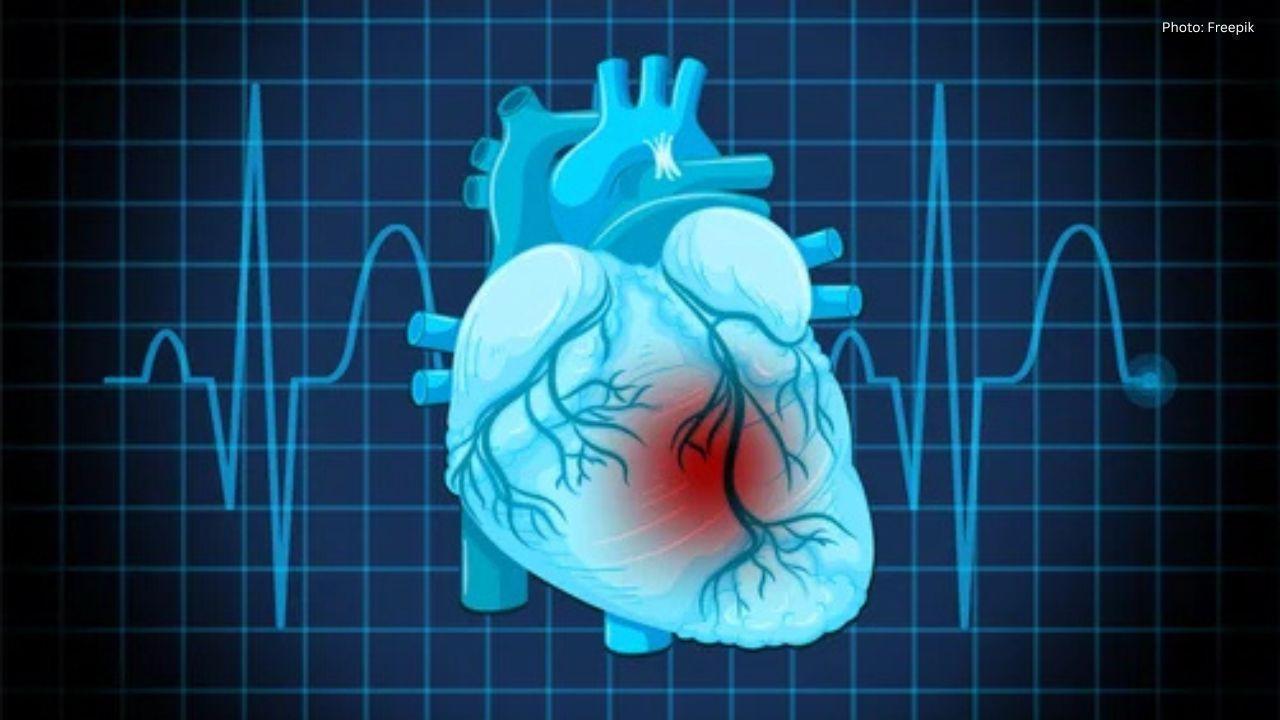
Heart attacks pose a significant threat globally, affecting individuals regardless of gender. Medical professionals often emphasize that “time is muscle,” referring to the critical nature of prompt action during a heart attack to limit heart damage. Dr. Keshava R, a leading interventional cardiologist at Manipal Hospital, elaborates on the necessity of quick reactions and modern medical treatments to help when chest pain or other alarming symptoms become apparent.
The Centers for Disease Control and Prevention report that heart attacks are among the leading causes of death annually. A significant number of fatalities could be prevented if individuals identify symptoms early and seek timely medical intervention. Dr. Keshava warns against dismissing indicators such as chest discomfort, shortness of breath, or fatigue, as this can result in irreversible heart damage.
The initial hour following the onset of a heart attack is referred to as the “golden hour.” Treatment within this timeframe can restrict damage to heart muscle to below 10 percent. Conversely, delaying care increases risks substantially; a six-hour wait can result in approximately 25 percent damage, and after 12 hours, the damage can escalate to 50 percent. If treatment is postponed beyond 24 hours, nearly 90 percent of the heart tissue endangered may suffer irreversible harm. In essence, the longer the wait, the tougher it becomes to save the heart.
Many individuals hesitate to seek hospital treatment due to fears surrounding surgeries or the hope that the pain will vanish naturally. Dr. Keshava cautions that symptoms like chest pain, sudden fatigue, rapid heart rate, or fainting should always be treated seriously. As damage worsens over time, there are instances where patients may not make it to a hospital in time. Approximately 10 percent of those experiencing a heart attack may encounter sudden cardiac death within an hour due to severe heart rhythm issues and drastic drops in blood pressure.
For those reaching the hospital promptly, medical teams can carry out rapid diagnostic tests to confirm a heart attack, including an ECG to analyze the heart's electrical functions, an echocardiogram to evaluate heart movement, and a troponin blood test to detect muscle injury. Emergency treatments like aspirin and cholesterol-lowering medications are frequently administered immediately to prevent the worsening of blood clots.
Dr. Keshava also outlined the primary treatment strategies available. Thrombolytic therapy employs specialized medications to dissolve the obstructive clot and is beneficial in hospitals lacking advanced resources, although about 7 to 8 percent of patients might still not survive.
The second strategy is primary angioplasty, where physicians place a slender tube into the blocked artery to restore blood flow. When performed within 90 minutes upon arrival at the hospital, the mortality rate reduces to about 4 percent, establishing angioplasty as a highly effective emergency intervention for heart attacks.
Modern medical facilities utilize sophisticated devices to enhance the safety and effectiveness of angioplasty. Some hospitals have embraced laser angioplasty, utilizing concentrated light to gently eliminate blockages. Additional tools can also aid in softening or removing calcium buildup in arteries, assisting doctors in restoring blood flow more efficiently.
Dr. Keshava emphasized that contemporary advances have made heart attack treatment quicker, safer, and less intimidating than commonly perceived. His crucial takeaway is not to delay. Early intervention can preserve heart muscle and lives. When chest pain or concerning symptoms arise, immediate action is the best defense for cardiac health.
This article is based on expert medical insights and is intended solely for informational purposes. It does not replace professional medical advice. Always consult a medical professional if you experience symptoms indicative of a possible heart condition.









Price Increase for Sony PS5 in Southeast Asia Effective May 1
Sony announces a price increase for the PS5 across Southeast Asia starting May 1, 2026, impacting ga

Potential ‘Super El Niño’ in 2026: Understanding the Climate Risks
Could a Super El Niño emerge in 2026? Discover its implications and potential global climate impacts

Global Energy Crisis Intensifies: Markets React to Oil Supply Challenges
Markets are on edge as oil disruptions escalate, influencing prices and economic stability. Explore

Must-See Tourist Spots in London You Can't Overlook
Explore London's essential attractions, from royal landmarks to vibrant markets, ensuring an unforge

Ultimate Guide to Snagging Cheap Flights in 2026
Unlock the secrets to booking affordable flights in 2026 with insightful tips and strategies tailore

The Impact of Consistent Small Investments on Wealth Building
Discover how investing small amounts regularly can positively transform your financial future over t