Post by : Anees Nasser
Thai Pongal, often just called Pongal, is a major Hindu harvest festival primarily observed in Tamil Nadu and by Tamil communities globally. It coincides with Makar Sankranti, marking the sun’s northward journey, and serves as a time for expressing gratitude to the Sun God, Surya, and appreciating the season’s agricultural bounty. In 2026, both Thai Pongal and Makar Sankranti will fall on Wednesday, January 14, with the auspicious moment of Sankranti occurring at 3:13 pm according to traditional Drik Panchang calculations.
The term “Pongal” derives from the Tamil word meaning “to boil over”, symbolizing abundance and prosperity. This is vividly embodied in the festival's central ritual of cooking the pongal dish until it overflows, representing fertility and plentiful harvest. Families and communities unite in celebrations rich in spirituality, culinary delights, tradition, and social bonds.
While Thai Pongal is celebrated on January 14, the festivities commence a day earlier with Bhogi Pandigai. Bhogi signifies purification and renewal, where people clear out old possessions and focus on fresh beginnings. Homes are spruced, and bonfires burn old items to symbolize releasing the past and welcoming new opportunities.
Thai Pongal represents the main festive day, occurring on January 14, 2026. Families prepare the iconic pongal dish outdoors in clay pots, using ingredients such as rice from the recent harvest, milk, jaggery, and ghee. As they cook, prayers are offered to the Sun God, thanking him for sunshine, rain, and favorable agricultural conditions. When the rice bubbles over, family members cheer “Pongalo Pongal”, conveying wishes for prosperity and good fortune.
The next day is Mattu Pongal, dedicated to honoring cattle, especially cows and bulls, vital in traditional agriculture. Livestock are bathed, adorned with garlands, and decorated with colorful beads, while events such as Jallikattu showcase the strong bond between humans and animals in agrarian societies.
The final festival day, Kaanum Pongal, focuses on relaxation, socializing, and community gatherings. It's a day for family visits, sharing meals, and enjoying folk performances, symbolizing the renewal of social ties and the spirit of togetherness.
Thai Pongal’s roots run deep within Tamil cultural heritage and agriculture. Historical documents and temple inscriptions emphasize Pongal’s long-standing tradition of gratitude, celebrated for centuries, predating modern calendars. The festival aligns with the Tamil solar calendar, marking the beginning of the month of Thai, symbolizing the start of a new agricultural year.
The crux of Pongal lies not in mere observance but in gratitude to Surya, nature, and the collective effort of farmers. It highlights South India’s agrarian heritage and the deep personal and communal rhythms that come with seasonal changes. In both urban and rural contexts, the festival retains a historic essence, blending family, prayer, vibrant decorations, cultural displays, and traditional cuisine.
A defining aspect of Pongal celebrations is the kolam art, where delicate designs are created outside homes using rice flour, inviting prosperity and warding off negativity. Often, women lead this artistic endeavor, contributing to a rich visual legacy.
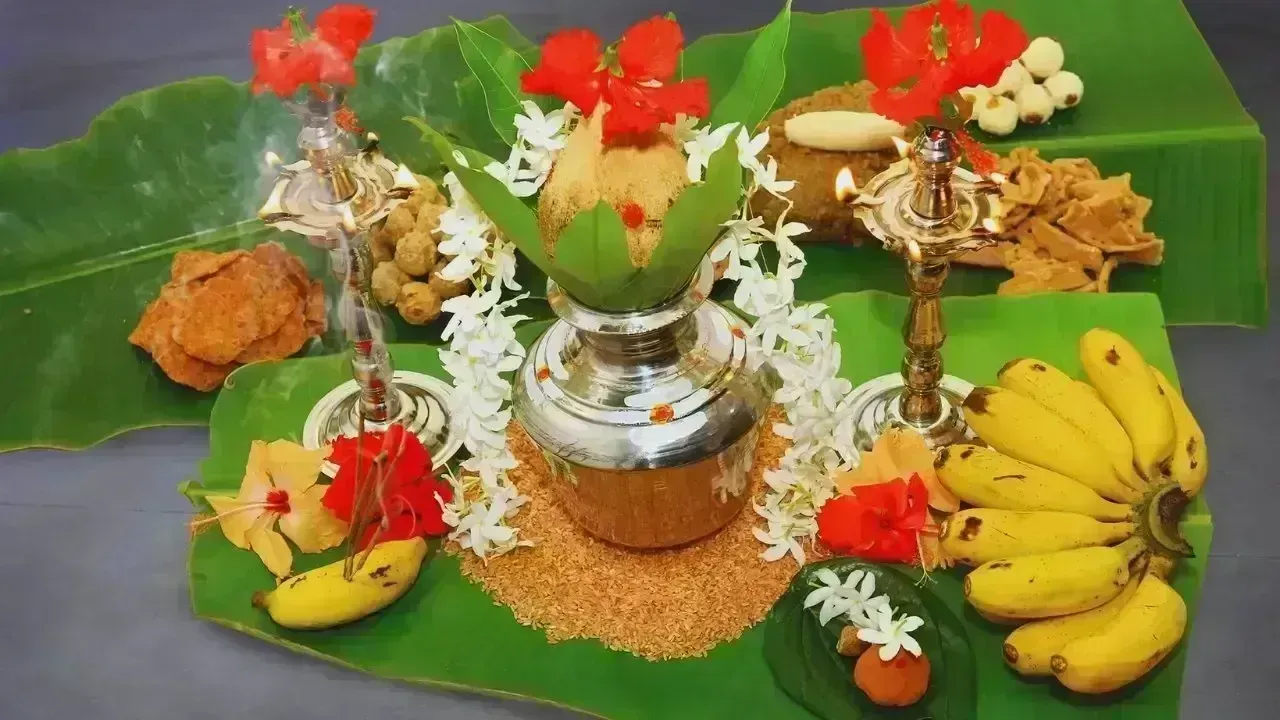
On the day of Thai Pongal, homes transform into prayer centers. Families create small altars adorned with fresh sugarcane, flowers, and coconuts, expressing gratitude for the year’s blessings. Visiting temples and conducting pujas is common, focusing on thanking nature for its gifts.
Homes are thoroughly cleaned, adorned with mango leaves, and decorated vibrantly. Traditional clothing is worn, with elders bestowing blessings and gifts upon younger family members. Communal meals, storytelling, folk performances, and dancing enliven the celebrations, fostering a spirit of unity across generations.
Food is central to the Thai Pongal festivities, representing agricultural success as well as regional flavors.
The festival's signature dish is Sakkarai Pongal, a sweet rice preparation made with jaggery, ghee, cashews, and raisins, prepared outdoors in clay pots. The overflowing pot signifies abundance, bringing families together in celebration.
Additional festive offerings include ven pongal (savoury rice and lentil dish), paal pongal (milk variant), medu vada, sambar, avial, payasam, and seasonal sweets, each echoing the generosity of the harvest.
Each dish carries meaning; sweetness symbolizes goodwill, savoury reflects nourishment, while the diverse array of festive foods celebrates the complete cycle of sowing, reaping, and thankfulness.
In Tamil Nadu, Pongal is celebrated vibrantly, particularly in rural settings where shared rituals and meals foster unity. Urban areas also observe traditional customs, with many families upholding practices of outdoor cooking, decoration, and revering cattle.
Today, Thai Pongal is recognized internationally, especially within Tamil diaspora communities. In Singapore, the Prime Minister invited citizens to partake in the Tamil festival, emphasizing its global relevance.
In the UK, Canada, Australia, and the Gulf, where Tamil populations thrive, community events and cultural shows vividly highlight the festival, creating spaces of shared heritage.
Pongal’s importance in Tamil Nadu is mirrored in school policies, with extended holidays around the festival, from January 14 to January 17, allowing families to engage in celebrations fully.
From urban centers to rural areas, the spirit of Pongal fosters collective gratitude and cultural preservation through a blend of public events, temple gatherings, and social activities that unify people across generations.
Thai Pongal 2026 is a rich cultural event that honors agricultural cycles and fosters human connections. Set for January 14, it encapsulates a spectrum of festive observances, ranging from Bhogi to Kaanum Pongal, interweaving rituals, cuisine, and social togetherness that resonates across societal boundaries.
From the enthusiastic calls of “Pongalo Pongal” to gatherings of the global Tamil diaspora, the festival embodies gratitude and shared joyousness, linking people to nature’s rhythms, the sun’s cycles, and to each other, capturing a timeless spirit of humanity.
Disclaimer:
This article serves cultural and informational purposes. Rituals, times, and customs may vary by locality; check locally for specific details if planning to participate.








Anticipated Dates for UAE Eid Al Adha 2026 Unveiled by Astronomical Experts
Experts predict Eid Al Adha 2026 in the UAE to start on May 27, prompting early holiday planning amo

DAE Achieves Remarkable Growth in Q1 2026 With Record Revenue
Dubai Aerospace Enterprise announces impressive financial results for Q1 2026, reflecting a surge in

Price Increase for Sony PS5 in Southeast Asia Effective May 1
Sony announces a price increase for the PS5 across Southeast Asia starting May 1, 2026, impacting ga

Potential ‘Super El Niño’ in 2026: Understanding the Climate Risks
Could a Super El Niño emerge in 2026? Discover its implications and potential global climate impacts

Global Energy Crisis Intensifies: Markets React to Oil Supply Challenges
Markets are on edge as oil disruptions escalate, influencing prices and economic stability. Explore

Must-See Tourist Spots in London You Can't Overlook
Explore London's essential attractions, from royal landmarks to vibrant markets, ensuring an unforge




