Post by : Saif Nasser
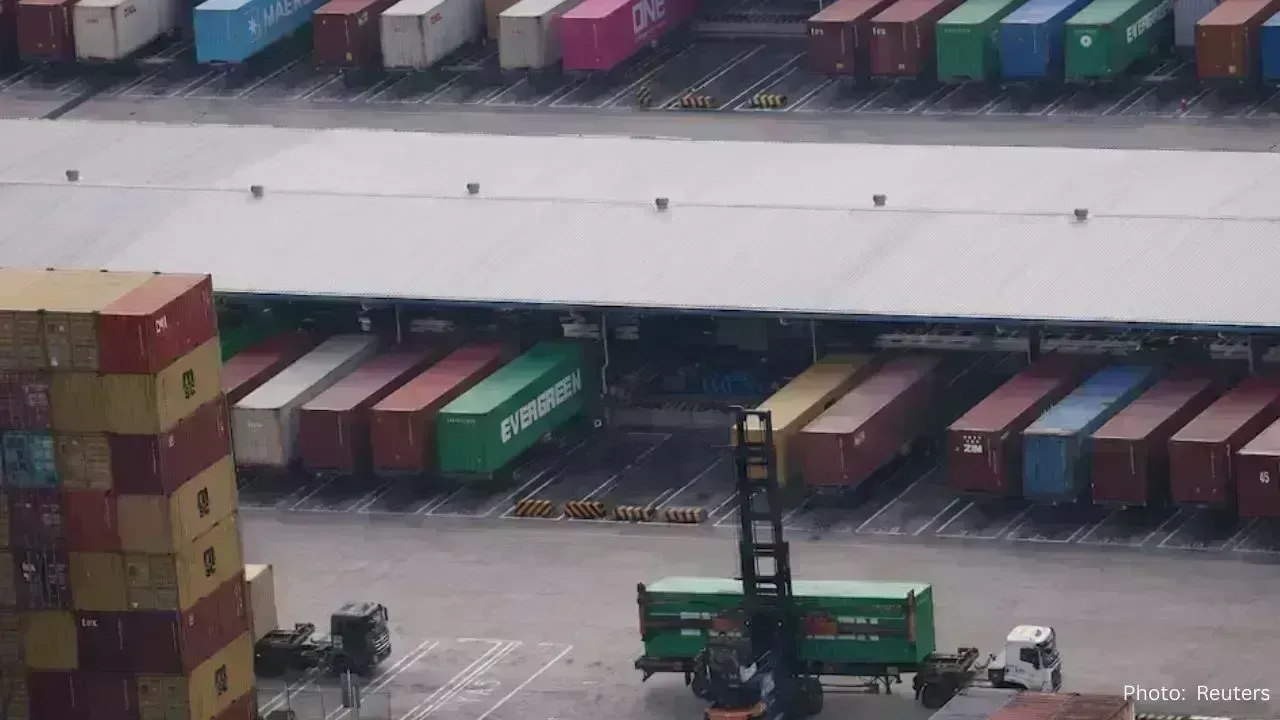
China finished the year 2025 with its largest trade surplus ever, reaching nearly 1.2 trillion dollars, according to official customs data. This happened even as the country faced fresh tariff pressure from the United States under President Donald Trump. The strong trade performance shows how China has shifted its export strategy to rely less on the U.S. market and more on other parts of the world.
The surplus reached about 1.189 trillion dollars, a level similar to the total economic output of some major countries. Exports continued to grow strongly throughout the year, while imports also rose faster than expected in the final months. In December alone, exports increased by 6.6 percent compared to the same month last year, and imports grew by 5.7 percent. Both figures were higher than what economists had predicted.
China’s success came mainly from selling more goods to regions such as Southeast Asia, Africa, Latin America, and Europe. Exports to African countries jumped by more than 25 percent, while shipments to Southeast Asian nations rose by over 13 percent. Trade with the European Union also increased steadily. In contrast, exports to the United States fell sharply by about 20 percent during the year, showing the direct impact of U.S. tariffs.
Chinese officials said the country’s wider network of trading partners has made its economy stronger and more stable. By not depending too heavily on one market, China was able to reduce the damage caused by trade tensions with Washington. Many Chinese companies also expanded production overseas, helping them avoid higher tariffs and reach customers more easily.
Economists say China’s export strength reflects its strong manufacturing base and improving technology. However, they also warn that weak domestic demand at home has pushed companies to sell more goods abroad, sometimes at lower prices. This has raised concerns in other countries that Chinese exports could hurt their local industries.
Trade tensions remain a major risk. President Trump has continued to threaten new tariffs, including penalties on countries that do business with Iran, which could again affect China. While some U.S. court decisions may limit tariff increases, uncertainty remains high.
China has shown signs that it understands the risks of relying too much on exports. Recently, it removed tax benefits for solar panel exporters, a move seen as an attempt to reduce friction with trading partners. Still, experts expect China to keep gaining global market share in 2026, especially in electronics, machinery, and raw materials like rare earth elements.
In the end, China’s record trade surplus highlights both its economic strength and the growing challenges ahead. While exports are helping to support growth, rising global concerns and political tensions could test how long this strategy can last.










Price Increase for Sony PS5 in Southeast Asia Effective May 1
Sony announces a price increase for the PS5 across Southeast Asia starting May 1, 2026, impacting ga

Potential ‘Super El Niño’ in 2026: Understanding the Climate Risks
Could a Super El Niño emerge in 2026? Discover its implications and potential global climate impacts

Global Energy Crisis Intensifies: Markets React to Oil Supply Challenges
Markets are on edge as oil disruptions escalate, influencing prices and economic stability. Explore

Must-See Tourist Spots in London You Can't Overlook
Explore London's essential attractions, from royal landmarks to vibrant markets, ensuring an unforge

Ultimate Guide to Snagging Cheap Flights in 2026
Unlock the secrets to booking affordable flights in 2026 with insightful tips and strategies tailore

The Impact of Consistent Small Investments on Wealth Building
Discover how investing small amounts regularly can positively transform your financial future over t




