Post by : Priya
Photo:AFP
In a shocking and devastating development, the state of Texas has been hit by severe flash floods that have taken the lives of at least 24 people. Torrential rains that started earlier this week swept through several regions of the state, catching many residents off guard. Towns were quickly overwhelmed, streets turned into rivers, and thousands of people were left stranded without shelter, power, or clean water.
This tragedy has once again raised urgent questions about climate preparedness, infrastructure stability, and the responsibilities of state and local governments in protecting communities. In this comprehensive editorial, we dive deep into the causes, the human impact, and the critical lessons that must be learned from one of the worst natural disasters to strike Texas in recent memory.
The Timeline of a Catastrophe
The disaster began on July 2, 2025, when Texas experienced an unprecedented weather event. A slow-moving storm system brought intense rain that persisted for over 48 hours. Areas such as Houston, Austin, San Antonio, and Dallas received between 10 to 18 inches of rainfall, shattering records for this time of year.
The rainfall overwhelmed rivers, creeks, and drainage systems, leading to flash floods that hit urban and rural areas alike. Unlike hurricanes that offer some warning, flash floods offer little time for preparation or evacuation. In some areas, water levels rose by several feet in under an hour.
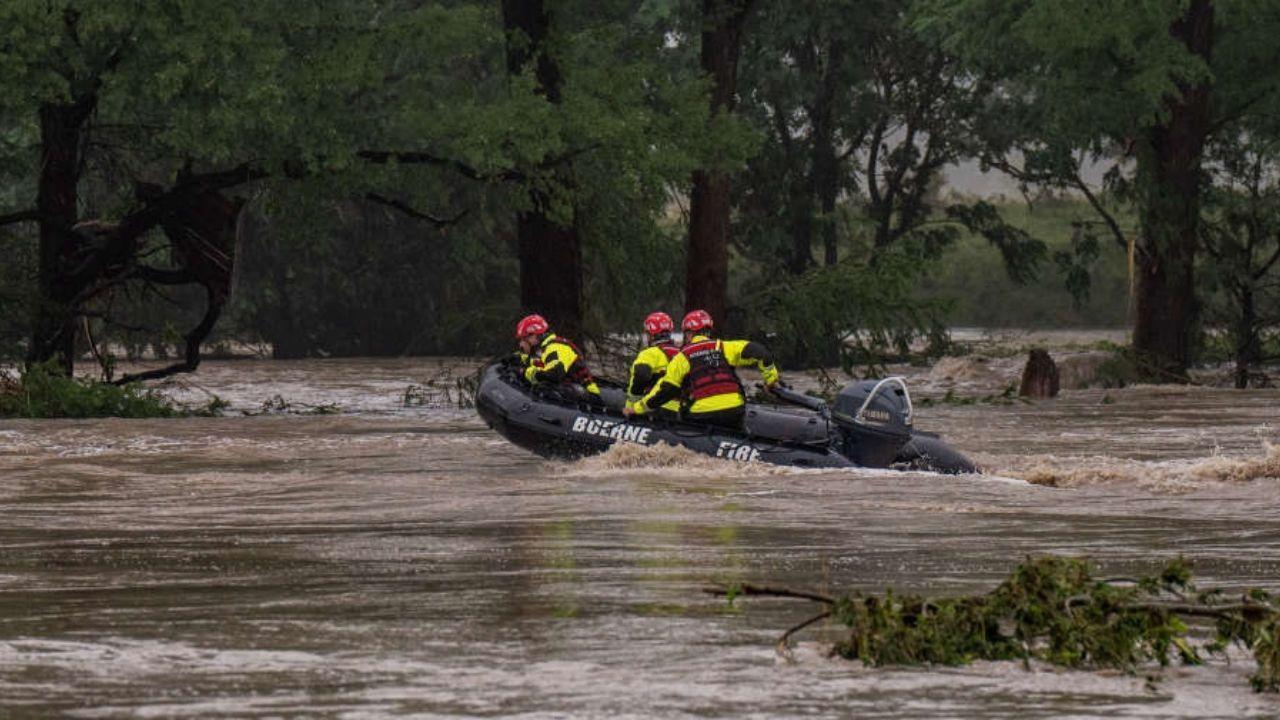
Emergency services were quickly deployed, but the scale and speed of the disaster meant that rescue efforts were severely tested. Boats, helicopters, and high-water vehicles were used to save families trapped on rooftops, in vehicles, and in flooded buildings. According to state officials, over 1,800 rescue operations were carried out in a 72-hour window.
The Human Toll
As of the latest update, 24 people have been confirmed dead. Among the victims are children, elderly residents, and emergency responders who lost their lives trying to save others. Several dozen people are still missing, and the final death toll could rise as search and rescue efforts continue.
Hospitals have reported a sharp increase in patients suffering from hypothermia, trauma, and waterborne infections. Makeshift clinics have been established in some of the hardest-hit areas to treat people who cannot access regular medical services due to damaged infrastructure.
The emotional toll is just as heavy. Thousands of families have lost their homes, cars, and personal belongings. Shelters are overflowing, and there is a growing need for food, clean water, and mental health support.
A State of Emergency
Governor Greg Abbott declared a state of emergency in more than 20 counties, unlocking state funds and deploying the National Guard to assist with rescue and recovery operations. The Federal Emergency Management Agency (FEMA) has also arrived in Texas and is working to assess the damage and coordinate federal relief.
President Joe Biden expressed condolences to the families affected and assured that the federal government will provide all necessary support. "This is a time for unity, for swift action, and for compassion," the president stated in a national address.
Infrastructure Under Scrutiny
This disaster has once again highlighted the weaknesses in Texas’ infrastructure. Many of the areas that flooded were known to be vulnerable, yet flood defense systems were either outdated or completely absent. Drainage systems failed, levees broke, and low-lying areas that had been developed without proper environmental assessments were hardest hit.
Urban sprawl without effective planning has led to the paving over of wetlands and other natural flood barriers. Experts have long warned that the unchecked growth of cities like Houston and Austin has created a recipe for disaster.
Even in wealthier neighborhoods, the rains proved overwhelming. Roads were destroyed, bridges collapsed, and entire communities were cut off. In poorer areas, the damage was even more extreme, revealing long-standing disparities in how disaster preparedness is implemented across different socio-economic zones.
The Climate Crisis Connection
Scientists agree that while no single event can be blamed entirely on climate change, the pattern is unmistakable. Warmer air holds more moisture, leading to heavier and more intense rainstorms. Climate models have predicted for years that the southern United States would face increasingly severe weather, and those predictions are now playing out in real time.
What happened in Texas is not just a fluke — it’s part of a larger trend of climate-related disasters, from wildfires in California to hurricanes in Florida. These are not isolated events. They are signals that our climate is changing, and that our systems — physical, political, and economic — are not prepared to handle it.
Climate adaptation must become a national priority. This includes not only investing in physical infrastructure but also changing zoning laws, revising building codes, and educating the public about climate risks.
Stories of Courage and Community
Amid the destruction, there have been countless stories of courage and compassion. In Fort Bend County, a teenager used his family’s fishing boat to rescue more than a dozen neighbors. In East Austin, a group of volunteers formed a human chain to help an elderly couple escape from a submerged car.
Religious groups, non-profits, and local businesses have stepped up to provide food, clothes, and temporary housing. Social media has played a key role in connecting people in need with those who can help. Hashtags like #TexasFloodRelief and #RescueTexas have become lifelines for people seeking assistance.
These acts of humanity are powerful reminders of the strength of community, especially in times of crisis. But good will alone is not enough. Institutional preparedness and government responsibility must match the compassion of the people.
What Needs to Be Done
The first priority is immediate relief — rescuing the stranded, sheltering the displaced, and providing food and medical care. But soon, the focus must shift to recovery and prevention.
Infrastructure Investment: Texas must urgently invest in modern drainage systems, flood barriers, and emergency shelters. This includes retrofitting older structures and ensuring that new developments meet higher safety standards.
Environmental Planning: Authorities must enforce stricter zoning laws and stop construction in flood-prone areas.
Wetlands and natural waterways must be preserved and restored as natural defenses.
Climate Preparedness: The state needs a comprehensive climate adaptation plan. This should include risk assessments, early warning systems, and education programs.
Equity in Disaster Response: Disaster preparedness must be inclusive. Low-income communities should receive the same level of protection and investment as wealthier areas.
Federal-State Coordination: Clearer coordination between federal and state agencies is essential.
Resources, data, and emergency services must be better integrated.










Mattel Revives Masters of the Universe Action Figures Ahead of Film Launch
Mattel is reintroducing Masters of the Universe figures in line with its upcoming film, tapping into

China Executes 11 Members of Criminal Clan Linked to Myanmar Scam
China has executed 11 criminals associated with the Ming family, known for major scams and human tra

US Issues Alarm to Iran as Military Forces Deploy in Gulf Region
With a significant military presence in the Gulf, Trump urges Iran to negotiate a nuclear deal or fa

Copper Prices Reach Unprecedented Highs Amid Geopolitical Turmoil
Copper prices soar to all-time highs as geopolitical tensions and a weakening dollar boost investor

New Zealand Secures First Win Against India, Triumph by 50 Runs
New Zealand won the 4th T20I against India by 50 runs in Vizag. Despite Dube's impressive 65, India