Post by : Saif Nasser
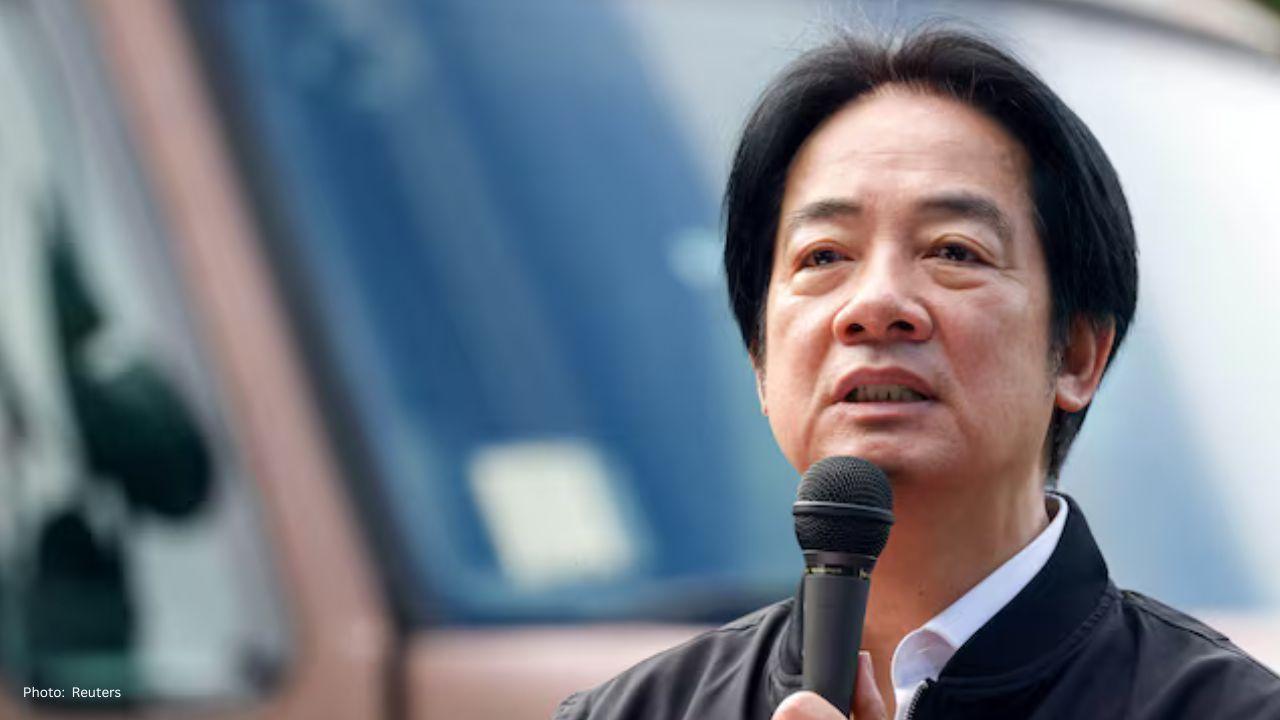
Taiwan’s political tensions deepened on Monday after Premier Cho Jung-tai said he would not enact new spending plans passed by the opposition-controlled parliament. He warned that the proposals were financially risky and could push the government into unsustainable debt.
Although President Lai Ching-te won the presidential election last year, his Democratic Progressive Party no longer holds a majority in parliament. Control of the legislature is now in the hands of the Kuomintang and its smaller ally, the Taiwan People’s Party. This split has created a growing struggle between the government and lawmakers.
The latest clash centres on changes made by opposition lawmakers to a law that decides how government revenue is shared. The amendments, passed last month, would give more money to local governments. The opposition says this would help cities and towns better serve their people.
Premier Cho strongly disagreed. He said that if the changes were enforced, the central government would need to borrow more than T$264 billion next year. He described this level of borrowing as dangerous and accused the opposition of pushing the law through without proper discussion.
Speaking to reporters in Taipei, Cho said lawmakers were free to challenge him through a no-confidence vote if they disagreed with his decision. He added that refusing to enact what he sees as harmful legislation is part of his duty as premier.
Cho said that if he were removed for standing up for responsible governance, he would see it as a personal honour. Under Taiwan’s system, if a no-confidence motion passed, he would either have to resign or ask the president to dissolve parliament and call new elections.
The opposition reacted angrily. The Kuomintang accused the government of acting like a dictatorship and ignoring the rule of law. In a statement, the party said the premier and president were setting a dangerous example by refusing to carry out laws passed by parliament.
However, despite their harsh words, opposition lawmakers signalled they were unlikely to push for a no-confidence vote. They said such a move would increase costs for society and would not solve the deeper constitutional deadlock.
For now, Taiwan remains stuck in a political stand-off. With the presidency and parliament controlled by rival camps, both sides are testing the limits of the system. The dispute highlights the challenges of divided government at a time when Taiwan also faces economic pressures and rising regional tensions.




Mattel Revives Masters of the Universe Action Figures Ahead of Film Launch
Mattel is reintroducing Masters of the Universe figures in line with its upcoming film, tapping into
China Executes 11 Members of Criminal Clan Linked to Myanmar Scam
China has executed 11 criminals associated with the Ming family, known for major scams and human tra
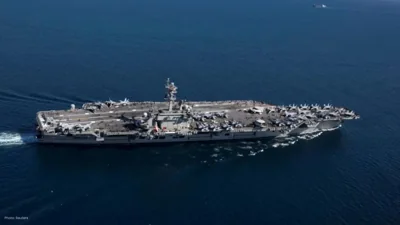
US Issues Alarm to Iran as Military Forces Deploy in Gulf Region
With a significant military presence in the Gulf, Trump urges Iran to negotiate a nuclear deal or fa

Copper Prices Reach Unprecedented Highs Amid Geopolitical Turmoil
Copper prices soar to all-time highs as geopolitical tensions and a weakening dollar boost investor

New Zealand Secures First Win Against India, Triumph by 50 Runs
New Zealand won the 4th T20I against India by 50 runs in Vizag. Despite Dube's impressive 65, India