
Post by : Bianca Suleiman
Tokyo and Beijing find themselves embroiled in a serious diplomatic crisis, ignited by Japan’s Prime Minister Sanae Takaichi’s stark warning regarding potential military action should China decide to invade Taiwan. This intensified rhetoric is raising alarms throughout Asia and is at odds with the economic relationship between two of the world’s major trading partners.
In her inaugural address to parliament since taking office in October, Takaichi emphasized that an assault on Taiwan could represent a grave threat to Japan, with the southern islands located merely 110 kilometers from Taiwan’s main landmass. Although Japan’s constitutional framework historically prohibits the use of force for resolving international conflicts, a law introduced in 2015 permits Tokyo to engage in collective self-defense under certain conditions—a point that Takaichi’s administration is now highlighting.
The Communist Party of China considers Taiwan a breakaway region and has repeatedly asserted its intention to achieve reunification, even through force. Takaichi’s statements resonate with the hardline perspective of her former mentor, Shinzo Abe, and have elicited immediate condemnation from Beijing. Chinese officials labeled her comments a “military threat” and cautioned Japan against supporting “Taiwan independence separatist forces.”
Consequently, the dispute has led to public confrontations. Beijing has issued travel warnings for its citizens considering trips to Japan, alleging unverifiable security risks, while Chinese state media deemed Takaichi’s remarks “dangerously provocative.” Concurrently, China has positioned coast guard vessels near the contested Senkaku Islands and has launched drones beyond Japan’s western Yonaguni island as a demonstration of military capability.
The historical context adds layers to these rising tensions. Taiwan was under Japanese governance for nearly 50 years before it reverted to the Republic of China post-World War II. Since then, China has claimed Taiwan as its territory, despite having never administered the island. Experts warn that any military hostilities over Taiwan could involve regional powers, including Japan, which is home to a significant US military presence.
Economic ramifications are becoming apparent. The adverse effects of Chinese travel advisories are stirring concerns within the tourism and educational sectors, potentially impacting millions and exposing significant economic vulnerabilities. Following Beijing’s alerts, retail and tourism stocks in Japan have already witnessed declines.
While the threat of a full-scale military engagement appears minimal, specialists express concerns that ongoing naval and air operations in disputed territories might lead to miscalculations. For the moment, both countries are attempting to mend ties, with Japan sending a senior envoy to Beijing and both sides recalling their ambassadors, suggesting that diplomatic efforts will face scrutiny in the coming weeks.









Mattel Revives Masters of the Universe Action Figures Ahead of Film Launch
Mattel is reintroducing Masters of the Universe figures in line with its upcoming film, tapping into

China Executes 11 Members of Criminal Clan Linked to Myanmar Scam
China has executed 11 criminals associated with the Ming family, known for major scams and human tra
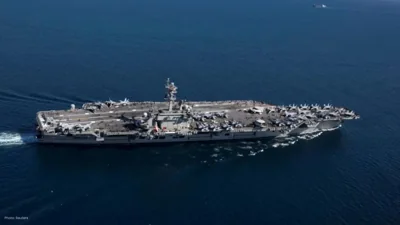
US Issues Alarm to Iran as Military Forces Deploy in Gulf Region
With a significant military presence in the Gulf, Trump urges Iran to negotiate a nuclear deal or fa

Copper Prices Reach Unprecedented Highs Amid Geopolitical Turmoil
Copper prices soar to all-time highs as geopolitical tensions and a weakening dollar boost investor

New Zealand Secures First Win Against India, Triumph by 50 Runs
New Zealand won the 4th T20I against India by 50 runs in Vizag. Despite Dube's impressive 65, India