Post by : Sami Jeet
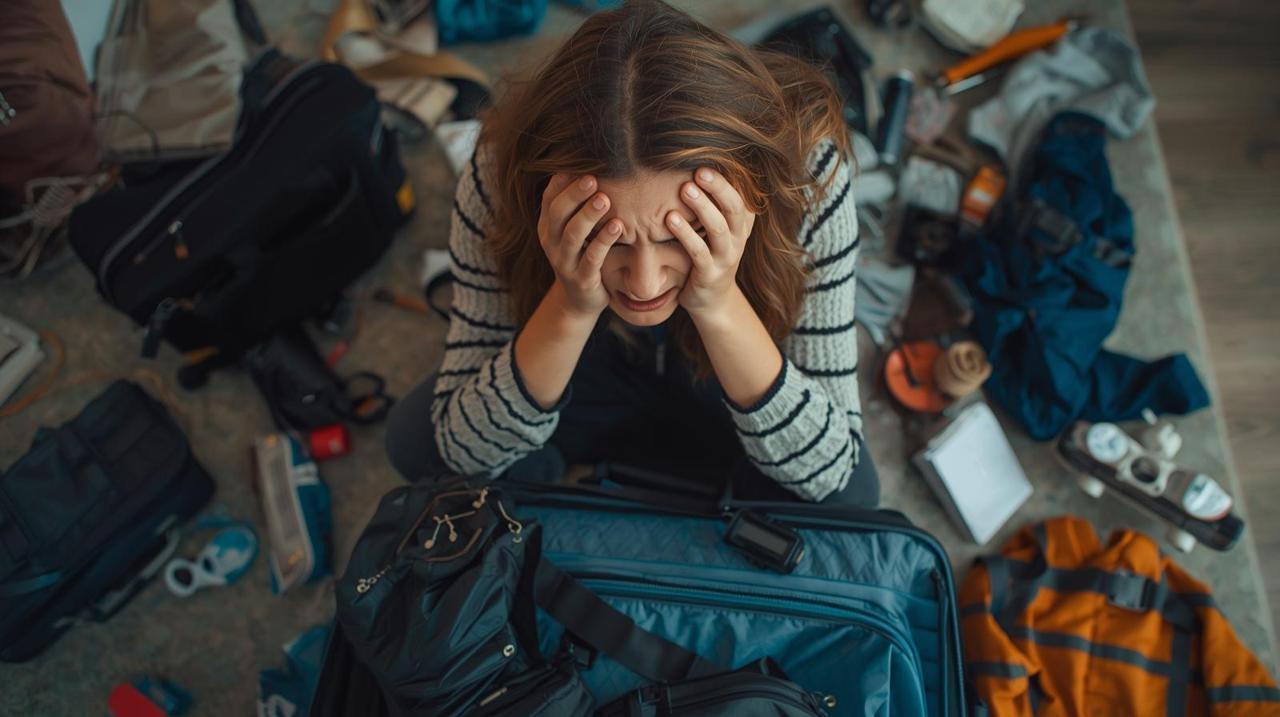
Traveling can provoke feelings of anxiety, stress, and worry for many individuals. Whether it’s a fear of flying, navigating unfamiliar territories, or handling unexpected challenges, travel anxiety can hinder your enjoyment. However, by incorporating effective techniques, you can cultivate confidence in your travels—regardless of how anxious you may feel.
Travel anxiety often stems from uncertainty. As you step outside your comfort zone, you may encounter situations beyond your control, relying on unfamiliar schedules, people, and environments. These factors can trigger stress responses like overthinking or restlessness. Understanding the root causes of this discomfort can make it easier to cope.
Preparation is one of the most effective methods to combat travel anxiety. Knowing what to expect instills a sense of control and safety in your mind.
Draft an organized checklist that includes essentials such as travel documents, tickets, medications, chargers, clothing, and toiletries. This minimizes the anxiety of forgetting crucial items.
Consider outlining your itinerary by detailing transport schedules, accommodation, and local maps. A structured plan helps reduce uncertainties, making your journey feel more predictable.
Anxiety can arise from the unfamiliarity of a place. Gathering information can help you establish a connection before your arrival.
Explore the local transportation options, cultural practices, weather conditions, emergency numbers, and tourist attractions. Engaging with images, reading experiences from other travelers, and viewing short videos grants your mind the sense of control it seeks. The more knowledgeable you are, the fewer unknowns you will fear.
Anxiety frequently intensifies at airports, train stations, or during flights. Simple breathing exercises can provide immediate relief.
Try the slow breathing technique: inhale for four seconds, hold for two, then exhale for six. This method signals your nervous system to relax.
Carrying calming resources—like soothing music, guided meditations, or an object to focus on—can make stressful moments more manageable.
Small comforts can significantly impact your travel experience. Bring items that ground you, such as a beloved book, favorite snacks, a travel pillow, or herbal tea.
These familiar touches help replace anxiety with comfort, especially in unfamiliar circumstances or during lengthy journeys.
Building confidence is a gradual process that develops through successful experiences. Start small if the idea of traveling makes you anxious.
Embark on a short day trip. Next, plan a weekend getaway. Gradually increase the complexity. Each successful experience reinforces the message: "I can handle this." Over time, these achievements build lasting confidence.
If you're not traveling solo, share your feelings with your travel partners. This openness allows them to offer support.
Sometimes, knowing that someone is aware of your anxiety eases the entire experience. They can assist with navigation, take on responsibilities, or help distract you during tense moments.
While researching is beneficial, overdoing it can heighten anxiety, particularly when encountering negative travel narratives or overwhelming advice. Ensure your information is manageable and credible.
Focus on reliable sources and steer clear of emotionally charged content that might escalate your worries.
Anxiety can make your mind gravitate toward worst-case scenarios; instead, redirect your focus toward what excites you—such as new cuisines, beautiful landscapes, memorable experiences, or meeting new friends.
Write down a few elements you genuinely look forward to. This helps shift your thoughts from fear to anticipation.
For some, distance from home can trigger discomfort. Schedule regular check-ins with loved ones.
A quick message or phone call can quickly provide comfort. Knowing a supportive person is available enhances your emotional safety throughout your travels.
Travel anxiety often worsens when your body feels fatigued, dehydrated, or hungry.
Opt for light meals before your journey, stay hydrated, and limit caffeine intake, as it can worsen anxiety symptoms.
Maintaining physical health supports mental calmness.
Haste can trigger significant travel stress. Leave extra early for the airport, bus station, or train terminal.
Having sufficient time allows you to proceed through each step without rushing. It also provides you the opportunity to breathe, adjust, and settle comfortably into your journey.
Even seasoned travelers encounter delays, confusion, or changes of plan. Instead of fearing the imperfect, remind yourself that such situations are normal. You don't require perfect circumstances to have a fulfilling experience.
With experience, you'll learn to adapt, and this adaptability will become one of your greatest assets.
Disclaimer: This article offers general strategies for managing travel-related anxiety. It is not a replacement for professional medical or psychological advice. If you experience severe or ongoing anxiety, consider consulting a professional for personalized assistance.







Price Increase for Sony PS5 in Southeast Asia Effective May 1
Sony announces a price increase for the PS5 across Southeast Asia starting May 1, 2026, impacting ga

Potential ‘Super El Niño’ in 2026: Understanding the Climate Risks
Could a Super El Niño emerge in 2026? Discover its implications and potential global climate impacts

Global Energy Crisis Intensifies: Markets React to Oil Supply Challenges
Markets are on edge as oil disruptions escalate, influencing prices and economic stability. Explore

Must-See Tourist Spots in London You Can't Overlook
Explore London's essential attractions, from royal landmarks to vibrant markets, ensuring an unforge

Ultimate Guide to Snagging Cheap Flights in 2026
Unlock the secrets to booking affordable flights in 2026 with insightful tips and strategies tailore

The Impact of Consistent Small Investments on Wealth Building
Discover how investing small amounts regularly can positively transform your financial future over t