Post by : Anees Nasser
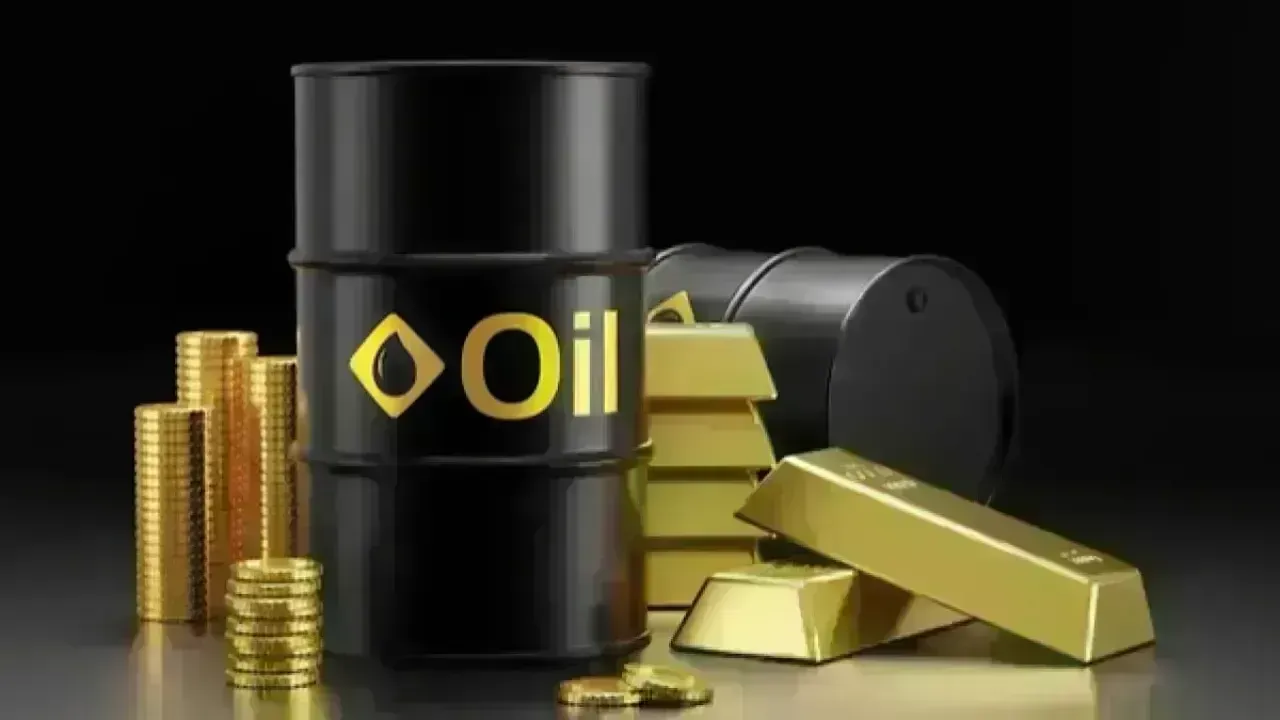
The global commodities market is experiencing extraordinary fluctuations, primarily driven by escalating geopolitical tensions between the United States and Iran. Precious metals, especially gold, have reached record prices, while crude oil continues to rise, reflecting widespread market anxiety over potential supply interruptions and increased geopolitical risks. This tense environment has prompted a significant pivot in financial markets as investors seek refuge in safe-haven assets and reevaluate their positions in equities and energy sectors.
Recent weeks have witnessed a noticeable escalation of diplomatic and military signals between the United States and Iran, bringing geopolitical risks back to the forefront of global trading activities. Reports indicate that renewed tensions and the mere possibility of confrontations have had a profound impact on trading behaviors, particularly in sectors like gold and oil, which are sensitive to political instability. As traditional markets show signs of stress, these commodities are increasingly seen as defensive measures.
The current political climate—marked by hostile rhetoric and naval movements in crucial areas like the Persian Gulf—has created an atmosphere of instability that prompts traders to factor in a substantial geopolitical risk premium into their valuations.
Gold, typically viewed as a premier safe-haven asset, has soared in value over the past trading sessions. Prices have exceeded historical highs, attracting global investors eager to escape volatility in equities and fluctuations in currencies. Analysts characterize this rally as extensive, reflecting a mixture of macroeconomic concerns and geopolitical fears.
• Heightened Geopolitical Demand: Growing conflict risks among major powers are spurring investor interest in gold as a safeguard against unexpected financial shocks.
• US Dollar Weakness: A depreciating dollar has rendered gold more appealing to international investors, further boosting its price.
• Demand for Safe Havens: Gold's historical reliability as a store of value draws both institutional and retail investors looking to protect themselves from market instability.
• Central Bank Activity: Increased purchases from central banks worldwide are tightening physical supplies, adding momentum to price increases.
These elements have propelled gold prices to unprecedented highs, marking one of the most remarkable rallies in decades, as sustained interest from investors continues despite widespread market volatility.
Market analysts view this surge as indicative of both fear and strategic positioning among investors. The fear of missing out is fueling rapid capital inflows into gold, especially as prices break through psychological barriers. While some experts warn of potential speculative bubbles, the compelling combination of geopolitical risks, central bank activities, and currency trends suggests that gold's strong valuation will likely persist.
Crude oil prices are also on the rise, attributed not just to short-term variations but a confluence of geopolitical, supply, and macroeconomic factors tightening market fundamentals.
• Geopolitical Risks: The looming threat of conflict in the Middle East, particularly with a key oil producer like Iran, has stoked fears about supply disruptions, which traders are pricing into market values.
• Lower U.S. Inventory Levels: Unexpected drops in U.S. oil inventories suggest tighter supply, even as demand remains strong.
• Currency Dynamics: Combined with a weaker U.S. dollar, which makes oil more affordable to foreign investors, global demand factors are reinforcing upward pressure on oil prices.
Benchmark crude oil futures, including Brent and WTI, have reached levels not seen for months, reflecting traders' perceptions of increasing risk and tighter supply fundamentals. This steady rise reveals that geopolitical concerns are now integrated into pricing forecasts over typical seasonal or technical considerations.
In addition to geopolitical risks, underlying supply factors continue to shape market sentiments. Decisions by OPEC+ regarding production quotas, along with any disruptions affecting output in key producing countries, are critical in determining oil prices. Coordination among major producers regarding their output levels has further alleviated potential supply excess, maintaining a bullish market outlook.
Consequently, current market conditions reflect a scenario where geopolitical tensions amplify the inherent supply-demand balance, pushing prices upward in global oil markets.
The surge in commodities has also affected broader financial markets, signaling a marked shift in investor preferences as they reassess their risk appetite in light of increased tension.
• Conservative Investment Stance: Rising prices in gold and oil, especially during conflict scenarios, often lead to diminished interest in higher-risk equities as investors migrate toward safer assets.
• Instability in Stock Indices: Major global indices have seen fluctuations as the tightening of commodity markets has made investors wary regarding the effects of prolonged geopolitical risks on corporate earnings and consumer behavior.
• Dollar Weakness Effects: The U.S. dollar's decline, influenced by monetary policy and geopolitical strains, boosts the attractiveness of dollar-priced assets.
• Investment Migration: Investors seeking alternatives to volatile equities have shifted their capital into commodities and currencies perceived as better hedges against inflation and geopolitical risks.
This current surge in gold and oil mirrors past instances where geopolitical tensions, especially in resource-rich areas, have dramatically transformed commodity markets. Historical examples show that upheavals in major oil-producing regions often initiate widespread market volatility and create inflationary pressures.
While every situation holds its unique narrative, the overarching connection between geopolitical strife and commodity prices remains a constant. Investors commonly act in anticipation of risks, leading to initial rallies as confidence wanes in political stability.
Both investors and analysts are keeping an eye on several pivotal factors likely to shape the commodity market in the coming weeks:
• Geopolitical Developments: Ongoing Middle Eastern tensions will continue to be a significant driver of price movements across commodities.
• Monetary Policy Trends: Decisions from central banks, especially concerning U.S. interest rates, will influence the sensitivity of capital to risk versus safe havens.
• Supply Chain Factors: Changes in output levels set by OPEC+ and any unforeseen disruptions will significantly affect market pricing.
• Investor Behavior Patterns: Ongoing fluctuations between risk-averse and risk-seeking behaviors will unveil how commodity shifts impact broader financial markets.
The concurrent rise of gold to all-time highs and escalating oil prices highlights how geopolitical uncertainty, particularly the tensions between the U.S. and Iran, is reshaping the landscape of global finance. As investors increasingly prioritize risk mitigation, the resultant demand for safe-haven assets like gold continues to push valuations upwards, while oil prices are embedding an essential geopolitical risk premium. Anchored in larger macroeconomic and geopolitical contexts, these trends reveal the extensive influence that conflict-related risks have on commodities, equities, and currencies.
Disclaimer: This information is intended for educational and informational purposes only and is not financial or investment advice. Always consult a qualified financial advisor before making any investment decisions.








Anticipated Dates for UAE Eid Al Adha 2026 Unveiled by Astronomical Experts
Experts predict Eid Al Adha 2026 in the UAE to start on May 27, prompting early holiday planning amo

DAE Achieves Remarkable Growth in Q1 2026 With Record Revenue
Dubai Aerospace Enterprise announces impressive financial results for Q1 2026, reflecting a surge in

Price Increase for Sony PS5 in Southeast Asia Effective May 1
Sony announces a price increase for the PS5 across Southeast Asia starting May 1, 2026, impacting ga

Potential ‘Super El Niño’ in 2026: Understanding the Climate Risks
Could a Super El Niño emerge in 2026? Discover its implications and potential global climate impacts

Global Energy Crisis Intensifies: Markets React to Oil Supply Challenges
Markets are on edge as oil disruptions escalate, influencing prices and economic stability. Explore

Must-See Tourist Spots in London You Can't Overlook
Explore London's essential attractions, from royal landmarks to vibrant markets, ensuring an unforge




