Post by : Saif Nasser
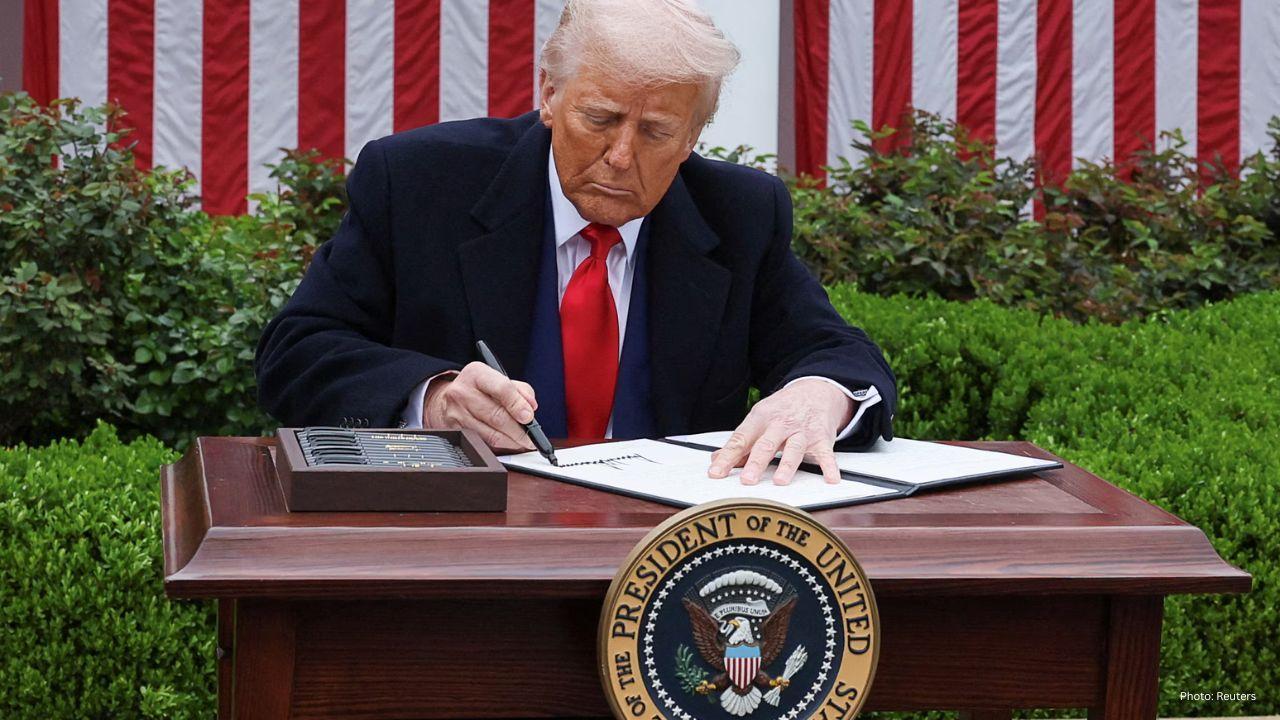
The debate around U.S. President Donald Trump’s global tariffs has entered a new phase. As the Supreme Court reviews the legality of his trade measures, top U.S. officials say that even if the court blocks one law, Trump’s tariffs will continue under other legal options.
Trump’s administration has imposed wide-ranging tariffs on many countries, arguing that they are needed to protect American industries and reduce the country’s trade deficit. However, these measures have created tension across global markets and made it harder for businesses to plan their operations.
For example, OTC Industrial Technologies, a U.S. factory equipment maker, said the new tariffs have disrupted its supply chain. The company had moved its component sourcing from China to India to avoid earlier tariffs, but now faces similar costs there too. “We just have to hang on and find a way to survive,” said CEO Bill Canady.
Legal Battle and Broader Power
The Supreme Court, which has a conservative majority, is now considering whether Trump’s use of the International Emergency Economic Powers Act (IEEPA) to impose tariffs was legal. Lower courts had earlier ruled that Trump went beyond his authority by using this law, which was originally meant for emergencies, not trade policy.
In 2025, Trump declared the large U.S. trade deficit and the ongoing fentanyl drug crisis as “national emergencies” to justify the tariffs. He said that countries had taken advantage of America for too long. “Reciprocal — that means they do to us and we do it to them,” Trump explained when announcing his tariff order.
If the Supreme Court strikes down the use of IEEPA, the administration plans to shift to other trade laws that also allow tariffs. Treasury Secretary Scott Bessent said, “You should assume that they’re here to stay.”
He mentioned two key backup laws:
Section 122 of the Trade Act of 1974, allowing up to 15% tariffs for 150 days.
Section 338 of the Tariff Act of 1930, which permits tariffs up to 50% on countries that discriminate against U.S. goods.
Trump is also already using Section 232 of the Trade Expansion Act of 1962 to protect industries linked to national security — such as autos, semiconductors, and robotics — and Section 301 of the Trade Act of 1974 to punish “unfair trade practices.”
Impact on Businesses and Global Trade
These policies have changed how companies and foreign governments do business with the U.S. While many firms say the tariffs raise their costs, the administration argues they create leverage for better trade deals.
Some countries have agreed to negotiate new trade terms with Trump’s team. For instance, Vietnam, Malaysia, Thailand, and Cambodia signed trade frameworks with fixed tariffs between 19% and 20%. South Korea agreed to invest $350 billion in the U.S., which unlocked a lower 15% tariff on its exports.
However, trade talks with China have been much harder. China has responded to U.S. tariffs by threatening to restrict exports of rare earth minerals — materials crucial for making electronics, electric cars, and defense equipment.
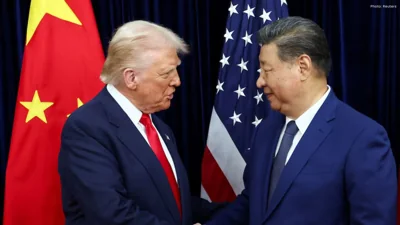
After a tense period of tariff increases, Trump and Chinese President Xi Jinping met recently in South Korea. They reached a temporary truce: the U.S. agreed to reduce some tariffs on Chinese goods linked to fentanyl to 10%, and in return, China promised to ease export restrictions for one year.
The Economic Risks
Economists warn that these ongoing tariffs could raise prices for American consumers and push inflation higher. Tariffs also add pressure on global companies that rely on international supply chains, such as carmakers, electronics producers, and heavy industries.
While Trump’s team insists that tariffs are a tool to protect American jobs, trade experts worry that such policies may hurt long-term competitiveness. “This administration is committed to tariffs as a cornerstone of economic policy,” said trade lawyer Tim Brightbill. “Companies and industries should plan accordingly.”








Mattel Revives Masters of the Universe Action Figures Ahead of Film Launch
Mattel is reintroducing Masters of the Universe figures in line with its upcoming film, tapping into

China Executes 11 Members of Criminal Clan Linked to Myanmar Scam
China has executed 11 criminals associated with the Ming family, known for major scams and human tra
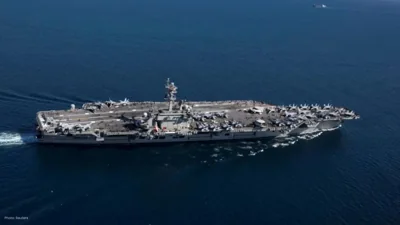
US Issues Alarm to Iran as Military Forces Deploy in Gulf Region
With a significant military presence in the Gulf, Trump urges Iran to negotiate a nuclear deal or fa

Copper Prices Reach Unprecedented Highs Amid Geopolitical Turmoil
Copper prices soar to all-time highs as geopolitical tensions and a weakening dollar boost investor

New Zealand Secures First Win Against India, Triumph by 50 Runs
New Zealand won the 4th T20I against India by 50 runs in Vizag. Despite Dube's impressive 65, India