Post by : Saif Nasser
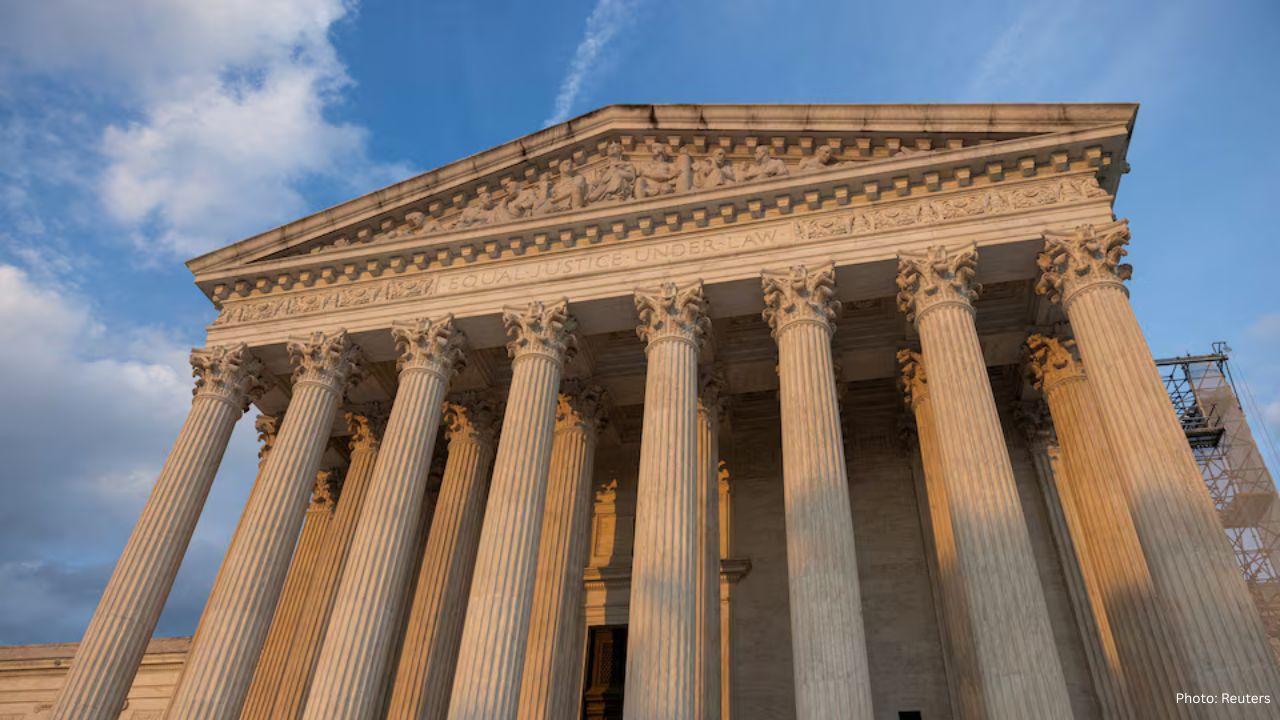
The Supreme Court of the United States has agreed to hear a major case that could change how the country understands birthright citizenship. This issue is tied to the 14th Amendment of the Constitution, which has guaranteed citizenship for children born on American soil since the late 1800s. The court will now decide if President Donald Trump’s order to restrict this right is lawful.
The case began after President Trump issued an order on his first day back in office on January 20. The order told federal agencies not to give citizenship to babies born in the United States if their parents are not American citizens or green card holders. This directive was part of a larger plan by the administration to reduce both legal and illegal immigration.
Lower courts quickly blocked the order, saying it violated the Constitution and a federal law that protects birthright citizenship. Parents and children who feared losing their citizenship filed lawsuits, and judges ruled in their favor. The government appealed the decision, and now the Supreme Court will make the final call. The justices will hear arguments this term and are expected to announce their decision by the end of June.
The 14th Amendment was created after the Civil War to ensure equality and to give citizenship to formerly enslaved people. It states that anyone born in the United States, and under its jurisdiction, is a citizen. For more than a century, this has been understood to include children of immigrants, even if the parents are not citizens.
The Trump administration argues that this interpretation is too broad. It says the phrase subject to the jurisdiction means that only children of those with lawful, permanent ties to the United States should receive citizenship. Government lawyers claim that short term visitors, students, workers on temporary visas, or people in the country illegally do not meet this requirement.
Supporters of the order say that birthright citizenship encourages illegal immigration and leads to what they call birth tourism, where pregnant women enter the United States to give birth so their children will become citizens. They say change is needed to protect national security and reduce misuse of immigration laws.
But the challengers say the Constitution is clear, and that the Supreme Court already ruled on this issue in 1898 in a case known as Wong Kim Ark. In that case, the court confirmed that a child born in the United States to non citizen parents is still an American citizen. They also point to a federal law passed in 1952 that repeats the same principle. Civil rights groups argue that no president has the power to change a constitutional rule through an executive order.
The case has created deep debate across the country. Immigration has been one of the most divisive topics of both Trump terms. Critics say his policies unfairly target certain groups and violate long standing values. Supporters believe the system needs stronger rules and that the United States must control who becomes a citizen.
This is not the first time the issue of birthright citizenship reached the Supreme Court during the Trump presidency. Earlier this year, the court ruled that federal judges have less power to block nationwide policies. However, the court did not decide the main question about citizenship rights. That question now stands before the justices in this new case.
The Supreme Court has also sided with Trump in several other immigration decisions this year. Those rulings allowed the administration to stop temporary protections for many migrants, expand deportations, and carry out large immigration enforcement operations.
The current case is significant because it could redefine what it means to be an American citizen. A ruling in favor of the administration would mark a major change in more than 150 years of constitutional practice. A ruling against the administration would reaffirm a long standing promise that all children born in the United States are equal under the law.
As the court prepares to hear arguments, families across the country are waiting for clarity. The decision will affect not only immigrants but also the future of American identity. It is now up to the Supreme Court to decide whether a president can limit a right that has shaped the nation since the end of the Civil War.






Mattel Revives Masters of the Universe Action Figures Ahead of Film Launch
Mattel is reintroducing Masters of the Universe figures in line with its upcoming film, tapping into

China Executes 11 Members of Criminal Clan Linked to Myanmar Scam
China has executed 11 criminals associated with the Ming family, known for major scams and human tra

US Issues Alarm to Iran as Military Forces Deploy in Gulf Region
With a significant military presence in the Gulf, Trump urges Iran to negotiate a nuclear deal or fa

Copper Prices Reach Unprecedented Highs Amid Geopolitical Turmoil
Copper prices soar to all-time highs as geopolitical tensions and a weakening dollar boost investor

New Zealand Secures First Win Against India, Triumph by 50 Runs
New Zealand won the 4th T20I against India by 50 runs in Vizag. Despite Dube's impressive 65, India