Post by : Saif Nasser
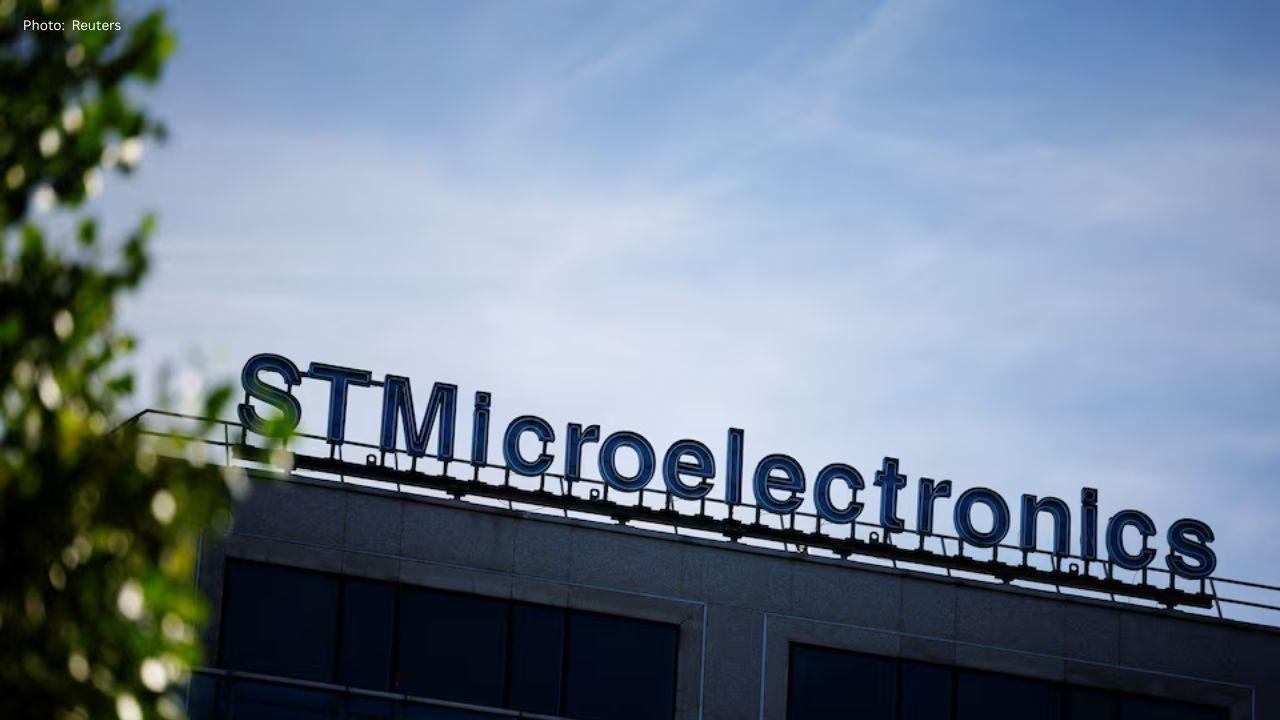
STMicroelectronics has emerged as a silent but vital force behind the global rise of satellite internet. Over the past ten years, the European chipmaker has delivered more than 5 billion specialised radio-frequency chips to SpaceX for its Starlink satellite network. Company officials now say this figure could double by 2027 as Starlink continues to expand at a rapid pace.
The chips produced by STMicroelectronics are used in Starlink user terminals. These terminals connect homes, businesses, and remote locations to satellites orbiting the Earth. Each terminal relies on advanced antenna chips to send and receive large amounts of data quickly and reliably. As Starlink adds more users and launches more satellites, the need for these components is growing fast.
The partnership between STMicroelectronics and SpaceX began around 2015, when commercial satellite networks were still a new idea. Since then, the space industry has changed dramatically. Private companies now play a leading role, moving beyond government-led missions to provide services like global internet coverage. This shift has created strong demand for high-performance chips that can operate in tough space conditions.
Starlink currently operates in more than 150 countries and serves millions of users. Its goal is to provide fast and affordable internet, especially in areas where traditional networks are weak or unavailable. Every new customer means more terminals, and more terminals mean more chips from suppliers like STMicroelectronics.
Company leaders believe this growth is not limited to Starlink alone. Other low-Earth orbit satellite networks, including projects from Europe and the United States, are expected to use similar technology. This opens new opportunities for STMicroelectronics to expand its role in the global space market.
Looking ahead, the company is also preparing for next-generation satellite systems. It plans to supply chips for inter-satellite laser links, which allow satellites to communicate directly with one another. This technology can improve network speed and reliability while reducing delays.
STMicroelectronics is also working with European aerospace companies such as Thales and Eutelsat, including on the European Union’s planned Iris 2 satellite constellation. These projects show Europe’s effort to strengthen its presence in space technology and reduce dependence on foreign suppliers.
The story of STMicroelectronics and Starlink shows how important semiconductors have become beyond Earth. Chips are no longer just powering phones and computers; they are now essential for global communication from space. As satellite internet continues to grow, STMicroelectronics appears well placed to play a key role in shaping the future of connectivity.










Achieve Radiant Skin with This Simple Rice Flour Treatment
Transform your skincare routine! Discover how a rice flour mix can restore your skin's glow without

Meta Unveils Subscription Plans for Instagram, Facebook, and WhatsApp
Meta introduces new subscription plans for users of Instagram, Facebook, and WhatsApp, featuring enh

Suvarna Joy on Education Leadership, Resilience, and Building Purpose Through Adversity in the UAE
Suvarna Joy shares her journey of education leadership, motherhood, faith, and resilience within the

Anticipated Dates for UAE Eid Al Adha 2026 Unveiled by Astronomical Experts
Experts predict Eid Al Adha 2026 in the UAE to start on May 27, prompting early holiday planning amo

DAE Achieves Remarkable Growth in Q1 2026 With Record Revenue
Dubai Aerospace Enterprise announces impressive financial results for Q1 2026, reflecting a surge in

Price Increase for Sony PS5 in Southeast Asia Effective May 1
Sony announces a price increase for the PS5 across Southeast Asia starting May 1, 2026, impacting ga




