Post by : Saif Nasser
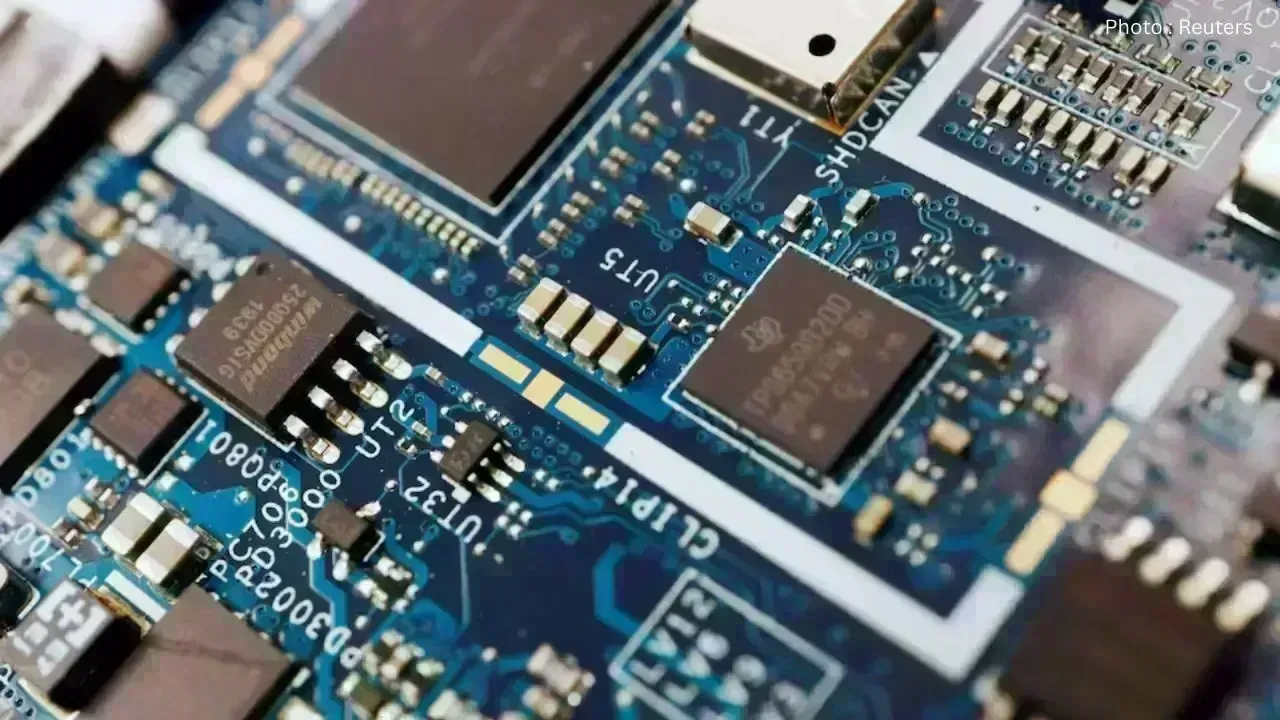
South Korea has said it will continue to closely observe new U.S. tariffs on certain artificial intelligence semiconductor chips to limit any harm to its domestic industry. The move comes after the United States announced a 25% tariff on some advanced AI chips, raising fresh concerns among chipmakers around the world.
Industry Minister Kim Jung-kwan said the government is carefully tracking the situation and is ready to respond if needed. He noted that semiconductors are a key part of South Korea’s economy, making it important to stay alert to any changes in global trade policy.
The Ministry of Trade, Industry and Energy confirmed that it recently held talks with officials from major South Korean semiconductor companies. The meeting focused on understanding the possible effects of the U.S. decision and preparing steps to handle future risks.
According to the ministry, companies believe the immediate impact will be limited. The new U.S. tariffs do not apply to chips used in American data centres or by startups. Because of this, many Korean firms expect their current business with U.S. clients to continue without major disruption.
Still, industry leaders expressed concern about signals from Washington that suggest wider tariffs could be introduced later. A White House document indicated that President Donald Trump may consider broader duties on imported semiconductors and related products to encourage more chip production inside the United States.
Such a move could increase uncertainty for South Korean companies. The country is one of the world’s largest producers of memory chips and advanced semiconductors, and exports play a major role in its economic growth. Any expansion of tariffs could affect long-term planning and investment decisions.
Government officials said they will stay in close contact with both U.S. authorities and local companies. Their goal is to quickly adjust policies and provide support if trade conditions become tougher.
The semiconductor industry is already facing rapid change due to rising demand for AI technology and growing global competition. The latest U.S. tariff decision adds another challenge at a time when companies are investing heavily in new technologies.
For now, South Korea believes the situation is manageable. However, officials made it clear that they are preparing for all possible outcomes to protect one of the country’s most important industries.








Price Increase for Sony PS5 in Southeast Asia Effective May 1
Sony announces a price increase for the PS5 across Southeast Asia starting May 1, 2026, impacting ga

Potential ‘Super El Niño’ in 2026: Understanding the Climate Risks
Could a Super El Niño emerge in 2026? Discover its implications and potential global climate impacts

Global Energy Crisis Intensifies: Markets React to Oil Supply Challenges
Markets are on edge as oil disruptions escalate, influencing prices and economic stability. Explore

Must-See Tourist Spots in London You Can't Overlook
Explore London's essential attractions, from royal landmarks to vibrant markets, ensuring an unforge

Ultimate Guide to Snagging Cheap Flights in 2026
Unlock the secrets to booking affordable flights in 2026 with insightful tips and strategies tailore

The Impact of Consistent Small Investments on Wealth Building
Discover how investing small amounts regularly can positively transform your financial future over t




