Post by : Anees Nasser
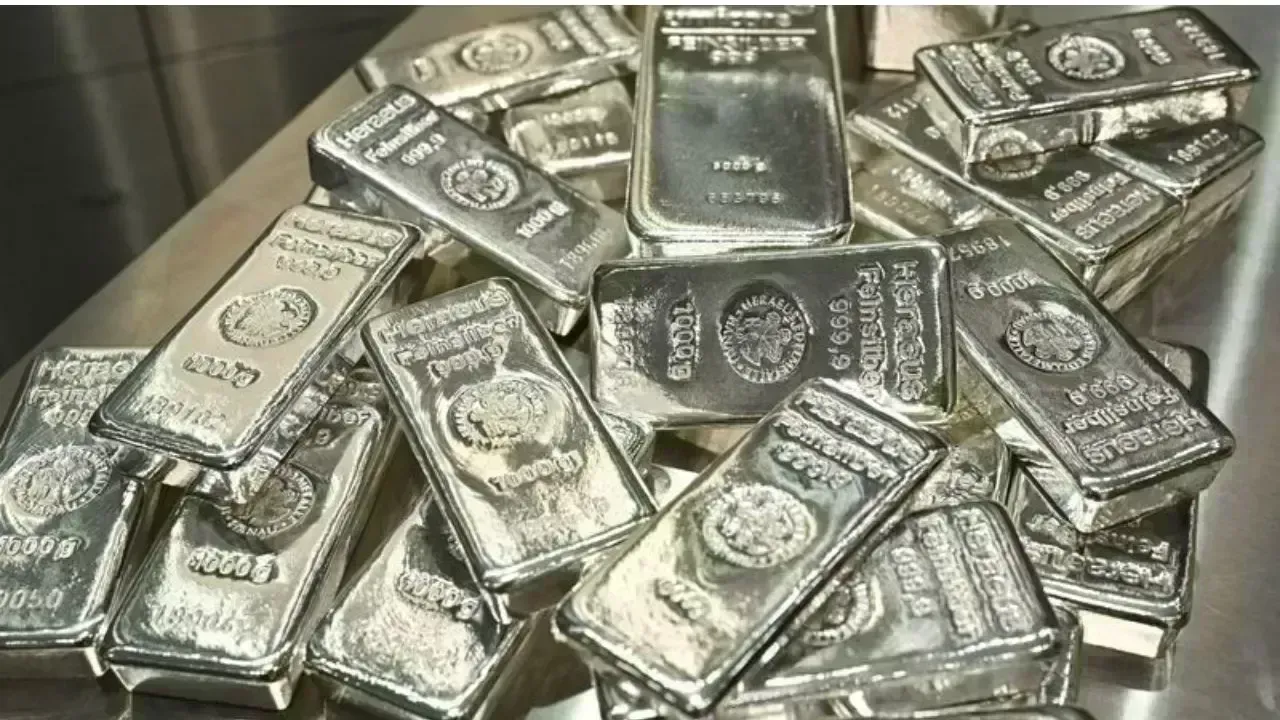
On January 19, 2026, the prices of silver in India reached an extraordinary milestone as spot silver surpassed ₹3 lakh per kilogram for the first time. This unprecedented valuation signifies a remarkable rise in silver’s worth, influenced by a confluence of global economic conditions, geopolitical tensions, stronger investor interest in safe-haven assets, and increasing industrial consumption. This noteworthy event was prominently visible on the Multi Commodity Exchange (MCX), where futures contracts achieved new highs, reflecting the shifting dynamics at major trading hubs across India.
This analysis dives into the intricate reasons behind this exceptional price jump, framing it within the broader economic scenario and assessing its effects on investors, industries, and market analysts. We investigate vital factors, competitive pricing comparisons with gold, supply-demand elements, historical patterns, and the potential risks and opportunities that accompany this bullish trend.
In the initial trading hours on the MCX, silver futures for March delivery surged, crossing the critical ₹3 lakh per kilogram milestone. The ascent was rapid, with prices exceeding ₹3 lakh, reflecting robust bullish sentiment among traders and investors.
Major Indian cities like Delhi and Hyderabad reported spot silver prices over ₹3,04,000 per kilogram, a notable increase compared to previous weeks.
This shift is not just a minor uptrend—it indicates a significant departure from prior pricing norms, suggesting that silver has redefined itself as both a commodity and a strategic investment asset in the current global framework.
The upsurge in silver prices globally has primarily stemmed from increased safe-haven demand. Geopolitical uncertainties, especially concerning trade conflicts and tariff instability, have encouraged investors to turn toward assets viewed as secure stores of value. Similar to gold, silver benefits from this demand trend, yet its comparatively lower price structure makes it accessible for a wider array of retail investors.
In recent global trading sessions, international spot silver briefly reached over $94 per ounce, highlighting its strength internationally. This global pricing directly influences domestic values in India, affected by currency fluctuations and local premiums.
The weakness of the Indian rupee against the US dollar has exacerbated the rise in silver prices domestically. Commodities priced in dollars become more costly in rupee terms as the local currency devalues, passing on increased import costs to spot and futures markets.
This relationship between currency values and commodity pricing adds essential upward pressure on precious metals, particularly during adverse foreign exchange conditions, as witnessed during this recent price surge.
Silver boasts a unique position among commodities as it functions as both an investment vehicle and an industrial resource. In times of economic uncertainty, traditional safe-haven assets like gold often see increased interest, while silver tends to follow suit but with greater volatility. Since early 2025, price behavior has notably escalated, driven by capital influx into silver as part of composite investment portfolios.
Investment trajectories including silver Exchange-Traded Funds (ETFs) and futures contracts exhibited increased activity, indicating that investor engagement is both speculative and financially strategic. The year-on-year price surge of over 200 percent highlights a significant shift in sentiment toward silver.
Unlike gold, predominantly driven by jewelry and investment requisites, approximately 60 percent of silver's global demand stems from industrial applications—including electronics, solar energy, automotive parts, and medical technologies. As advancements in technology and green energy sectors evolve, physical silver demand increases.
However, supply difficulties, such as restricted mining outputs or processing delays, can tighten the market, contributing to higher pricing. Such supply-side pressures become more pronounced when demand experiences concurrent growth.
The substantial price increase has produced diverse ramifications in India’s physical metals market. While the rally signals strong investor interest, retail demand for silver jewelry and tangible silver items has cooled as high prices deter immediate buying. In many markets, reports indicate temporary discounts on physical silver to stimulate demand.
Simultaneously, silver imports into India have seen significant growth, signaling that despite swollen prices, local industries and wholesalers are sustaining strategic stockpiles, perhaps in anticipation of future demand or additional price hikes.
Gold, historically favored in India, also continues to rise, having reached significant pricing milestones, with 10 grams now trading at around ₹1.48 lakh. The co-movement of gold and silver is typical during market downturns where investors gravitate toward dependable assets.
However, silver's more pronounced gains accentuate its evolving reputation as both a safe-haven option and a crucial industrial commodity, beyond that of merely a jewelry metal.
Silver has a rich history tied to currency and value conservation, tracing back to ancient systems. In India, silver coins once formed the basis of monetary exchange, with values fluctuating across centuries. Today, silver's pricing is determined on global exchanges in dollars, later converted to local values—linking historical significance with contemporary financial mechanisms.
The recent pricing trends showcase a marked acceleration, indicating that this current bullish momentum is likely substantive and structural, rather than merely cyclical.
Market analysts emphasize several critical themes pertaining to the recent surge:
Geopolitical instability fueling an increase in demand for safe-haven assets.
Weak dollar dynamics increasing local price pressures on dollar-priced commodities.
Industrial requirements from sectors like renewable energy and electronics driving demand.
Mining challenges and supply-side constraints affecting availability.
These elements collectively frame the current pricing landscape; however, experts advise that silver maintains higher volatility than gold, suggesting the potential for sharp corrections even within the broader upward trends.
Periods of rapid price surges are often accompanied by volatility and short-term corrections. Silver's price history reveals instances where values have sharply decreased following sustained increases, illustrating the inherent price fluctuations.
Market participants should recognize that while safe-haven demand and industrial applications provide long-term stability, trader sentiment and macroeconomic developments can intensify short-term price variations.
It’s crucial for investors to distinguish between investment-fueled pricing and real physical demand fundamentals. Elevated prices may reduce immediate consumer interest, potentially tempering pricing momentum even as investment interest persists.
The psychological threshold of ₹3 lakh per kilogram emphasizes silver's dual role in portfolio diversification. Long-term investors may see this as validation of silver’s strategic importance, particularly amid inflationary and geopolitical uncertainties. Nonetheless, maintaining prudent risk management remains essential, given the metal’s volatility.
Industries dependent on silver—such as solar energy and electronics—might face increased cost burdens, impacting product pricing and sourcing decisions. These sectors will closely monitor pricing trends to navigate the balance between procurement costs and market demand.
Consumers contemplating physical silver for jewelry or gifting should evaluate current price points against historical trends and the potential for near-term volatility, as high prices may create premium entry barriers that could dampen immediate demand.
The achievement of the ₹3 lakh per kilogram benchmark for silver in India signifies a pivotal point in its market journey. This landmark event reflects both immediate global and local forces and a changing perspective on silver’s valuation—integrating its legacy as a precious asset with its contemporary role as an investment and industrial commodity.
While future trends will hinge on various macroeconomic and geopolitical influences, this milestone highlights silver’s renewed significance in financial and industrial contexts. Stakeholders across sectors will continue to monitor price fluctuations as silver's narrative evolves beyond this historic accomplishment.
Disclaimer:
This analysis serves as an independent review based on the latest pricing data and expert insights. It should not be interpreted as financial advice. Individuals are encouraged to seek their own research or consult financial professionals before making investment choices.








Starbucks Engages Boyu Capital for Major Chinese Expansion
Starbucks teams up with Boyu Capital, selling a majority stake to boost growth and adapt to the Chin
Three Individuals Charged in Massive Meth Trafficking Case in Malaysia
In Malaysia, a married couple and another suspect are charged with trafficking 510kg of meth, facing

Singapore Police Revisit Geylang Murder Scene with Suspect
In Geylang, police return a murder suspect to the scene of a crime involving the fatal stabbing of a

Mattel Revives Masters of the Universe Action Figures Ahead of Film Launch
Mattel is reintroducing Masters of the Universe figures in line with its upcoming film, tapping into

China Executes 11 Members of Criminal Clan Linked to Myanmar Scam
China has executed 11 criminals associated with the Ming family, known for major scams and human tra