Post by : Raina Nasser
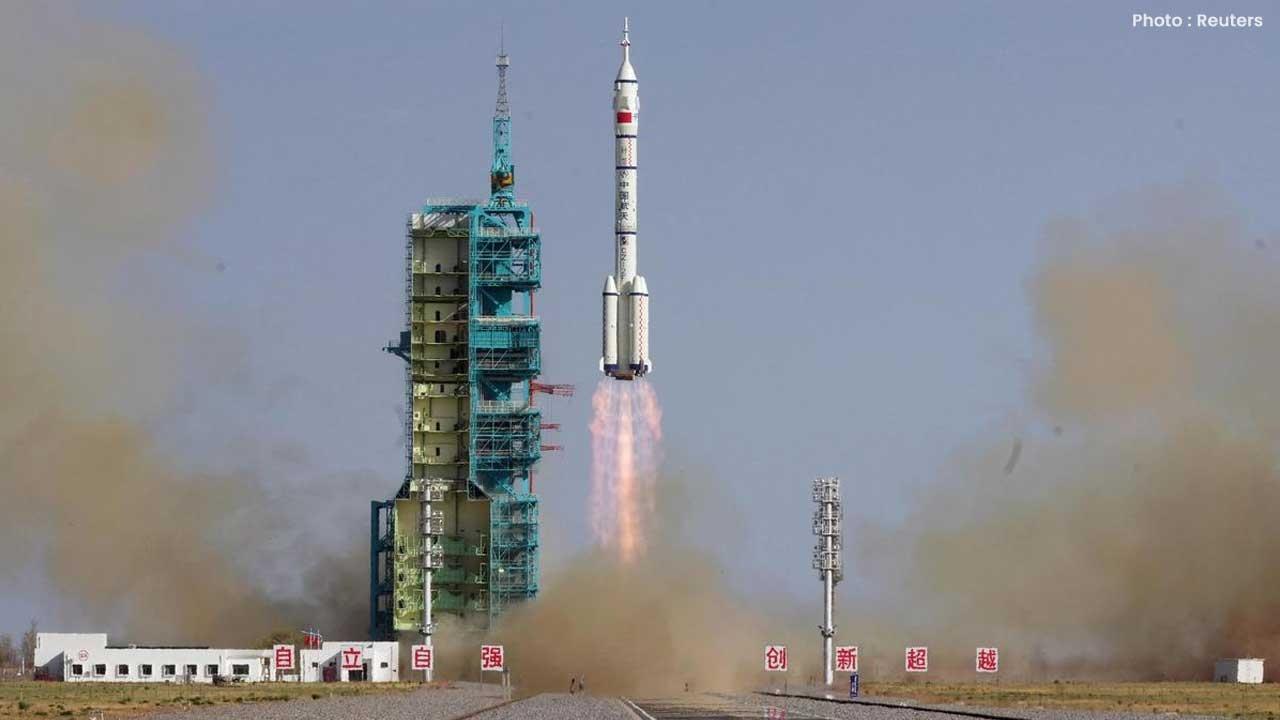
China’s crewed spacecraft Shenzhou-20 has postponed its planned reentry after authorities said the vehicle may have been struck by small pieces of orbital debris, the China Manned Space Agency (CMSA) announced. The interruption is uncommon and could influence operations at the Tiangong space station.
CMSA reported that specialists are conducting an impact assessment and risk analysis but provided no updated timeline for the mission’s originally scheduled touchdown in northern China on Wednesday.
Orbital debris — fragments from rockets, defunct satellites and other man-made remnants — presents an increasing hazard to crewed flights and orbital platforms. The Shenzhou programme typically rotates crews in six-month stints aboard Tiangong, where astronauts perform experiments and maintenance, including work to rectify damage from debris.
While the Shenzhou-19 return was postponed in April due to adverse weather, this is the first time a Shenzhou mission has been publicly reported as potentially affected by debris. CMSA has not clarified whether the suspected impact occurred while Shenzhou-20 was in free flight or docked at the station. Both the outgoing Shenzhou-20 and the newly arrived Shenzhou-21 crews remain aboard during the handover phase.
Should Shenzhou-20 prove irreparable, CMSA said Shenzhou-21 might be used to repatriate personnel. In more critical scenarios, a reserve Shenzhou capsule and Long March-2F launcher stationed at the Jiuquan Satellite Launch Centre could be readied to secure crew safety. Historical precedents — such as delays linked to technical issues on NASA’s Boeing Starliner — illustrate how anomalies can prolong orbital missions.
The episode underscores rising international concern over congested orbits. Chinese officials have urged wider cooperation on space traffic management and object tracking. Last year, President Xi Jinping proposed creating a "space debris observation centre" in partnership with Arab states, and the United Nations has advocated for shared databases and governance to reduce collision risks.
Tensions over debris sources have long complicated U.S.-China relations in space, with criticisms exchanged over activities like anti-satellite tests and emergency avoidance manoeuvres by Tiangong. Beijing is investing in mitigation technologies, including deorbiting sails designed to ensure satellites re-enter without generating additional fragments.
As the investigation continues, the Shenzhou-20 delay highlights the operational and diplomatic challenges posed by a busier, more hazardous orbital environment.









Mattel Revives Masters of the Universe Action Figures Ahead of Film Launch
Mattel is reintroducing Masters of the Universe figures in line with its upcoming film, tapping into

China Executes 11 Members of Criminal Clan Linked to Myanmar Scam
China has executed 11 criminals associated with the Ming family, known for major scams and human tra
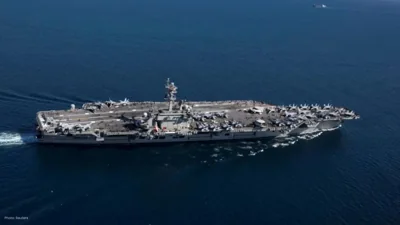
US Issues Alarm to Iran as Military Forces Deploy in Gulf Region
With a significant military presence in the Gulf, Trump urges Iran to negotiate a nuclear deal or fa

Copper Prices Reach Unprecedented Highs Amid Geopolitical Turmoil
Copper prices soar to all-time highs as geopolitical tensions and a weakening dollar boost investor

New Zealand Secures First Win Against India, Triumph by 50 Runs
New Zealand won the 4th T20I against India by 50 runs in Vizag. Despite Dube's impressive 65, India